GAL
Josep Maynou
10 October · 10 December 2026
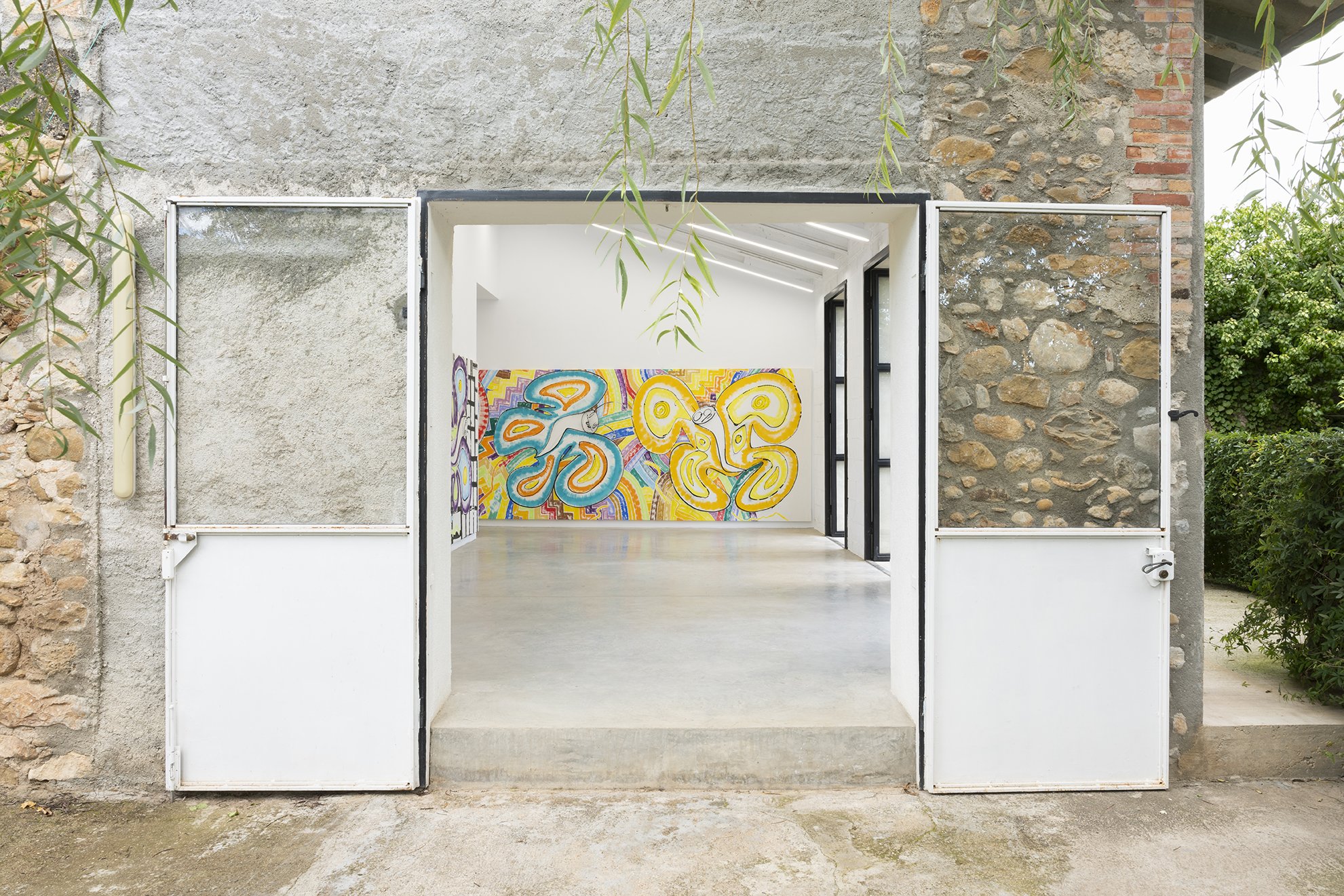
Josep Maynou. Viñeta, 2026. Acrylic and flashe on canvas. 190 x 680 cm. (Left). Josep Maynou. PARTYMPIM, 2026. Acrylic and flashe on canvas. 190 x 946cm. (Center).
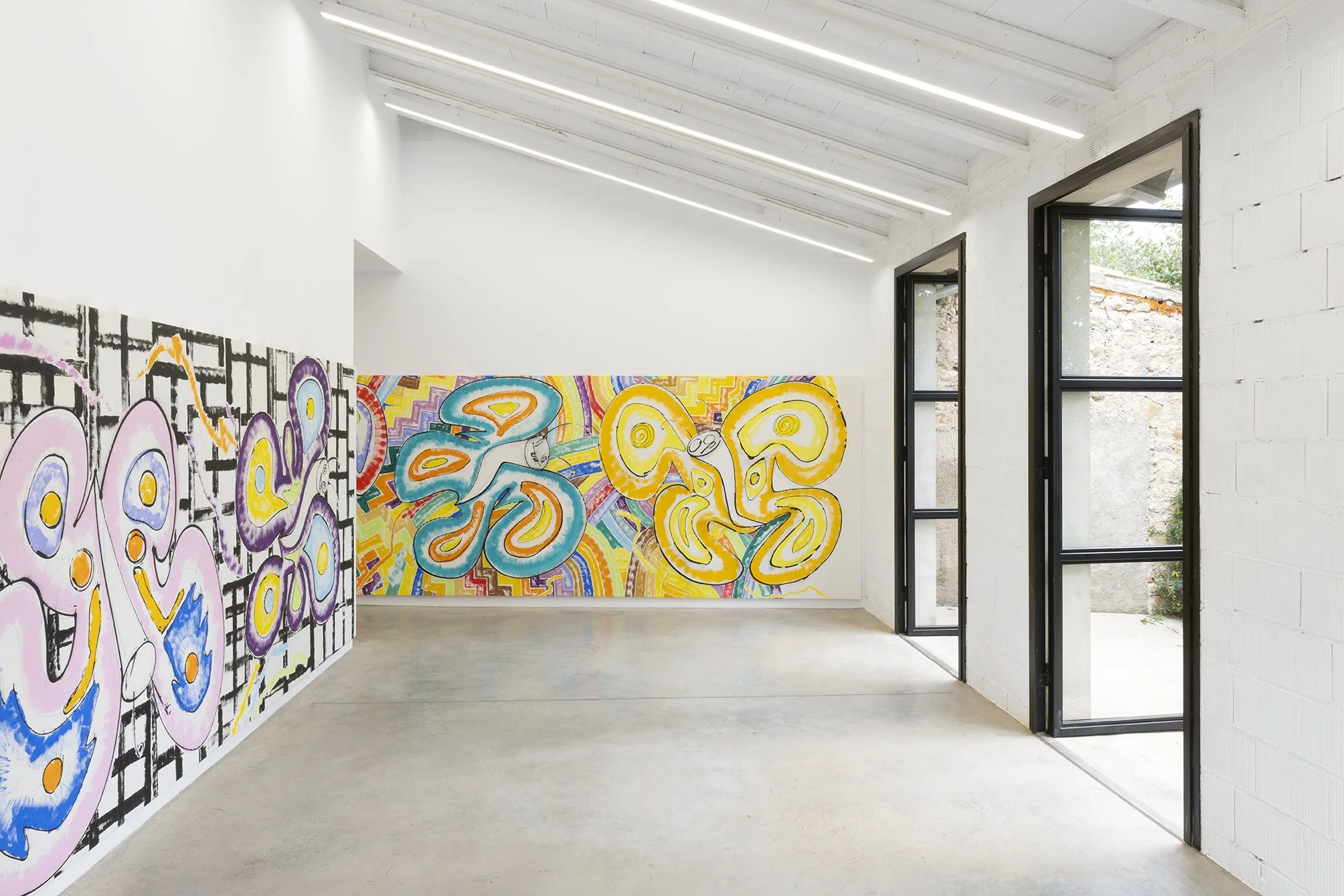
Josep Maynou. Viñeta, 2026. Acrylic and flashe on canvas. 190 x 680 cm. (Left). Josep Maynou. PARTYMPIM, 2026. Acrylic and flashe on canvas. 190 x 946cm. (Center).
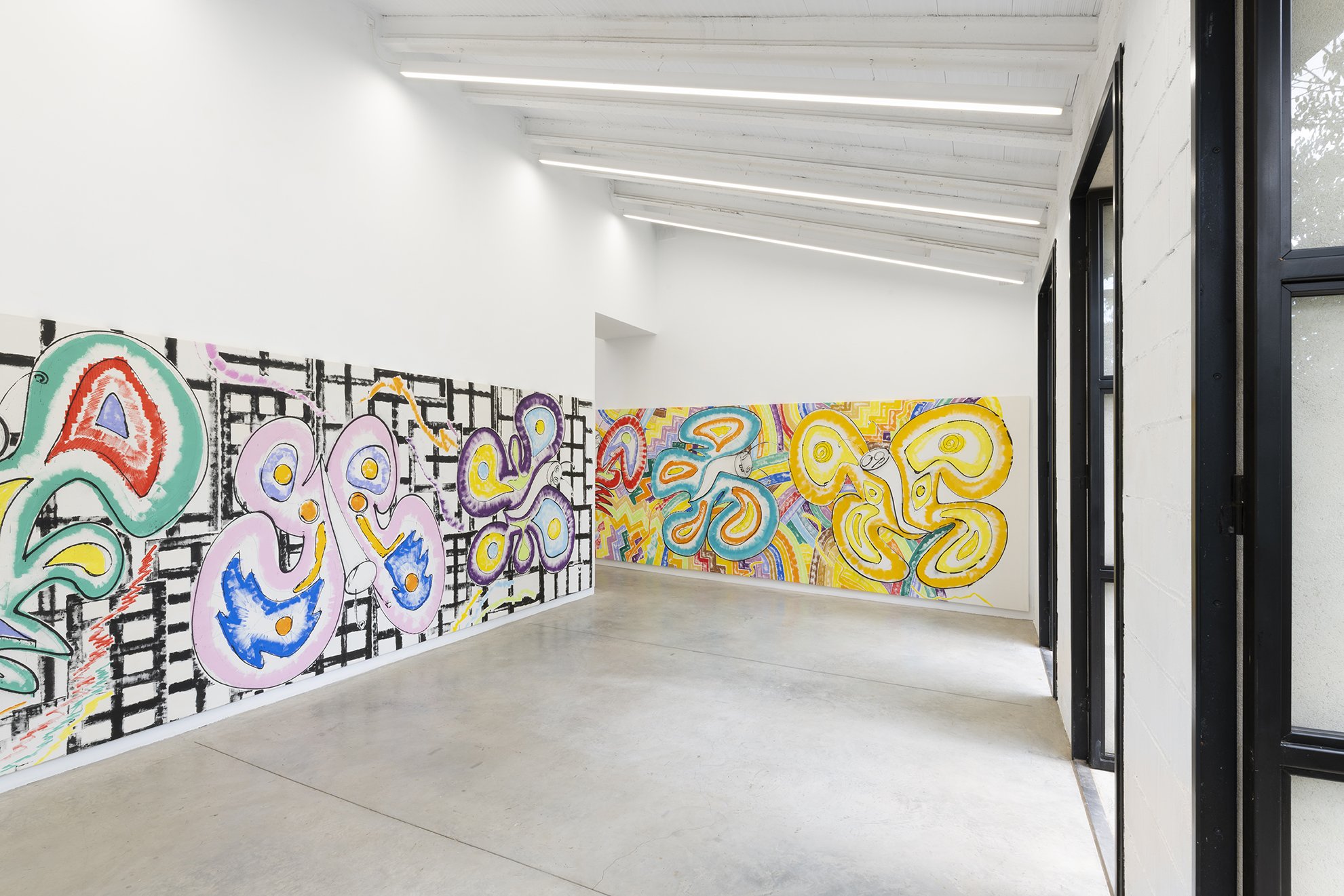
Josep Maynou. Viñeta, 2026. Acrylic and flashe on canvas. 190 x 680 cm. (Left). Josep Maynou. PARTYMPIM, 2026. Acrylic and flashe on canvas. 190 x 946cm. (Right).
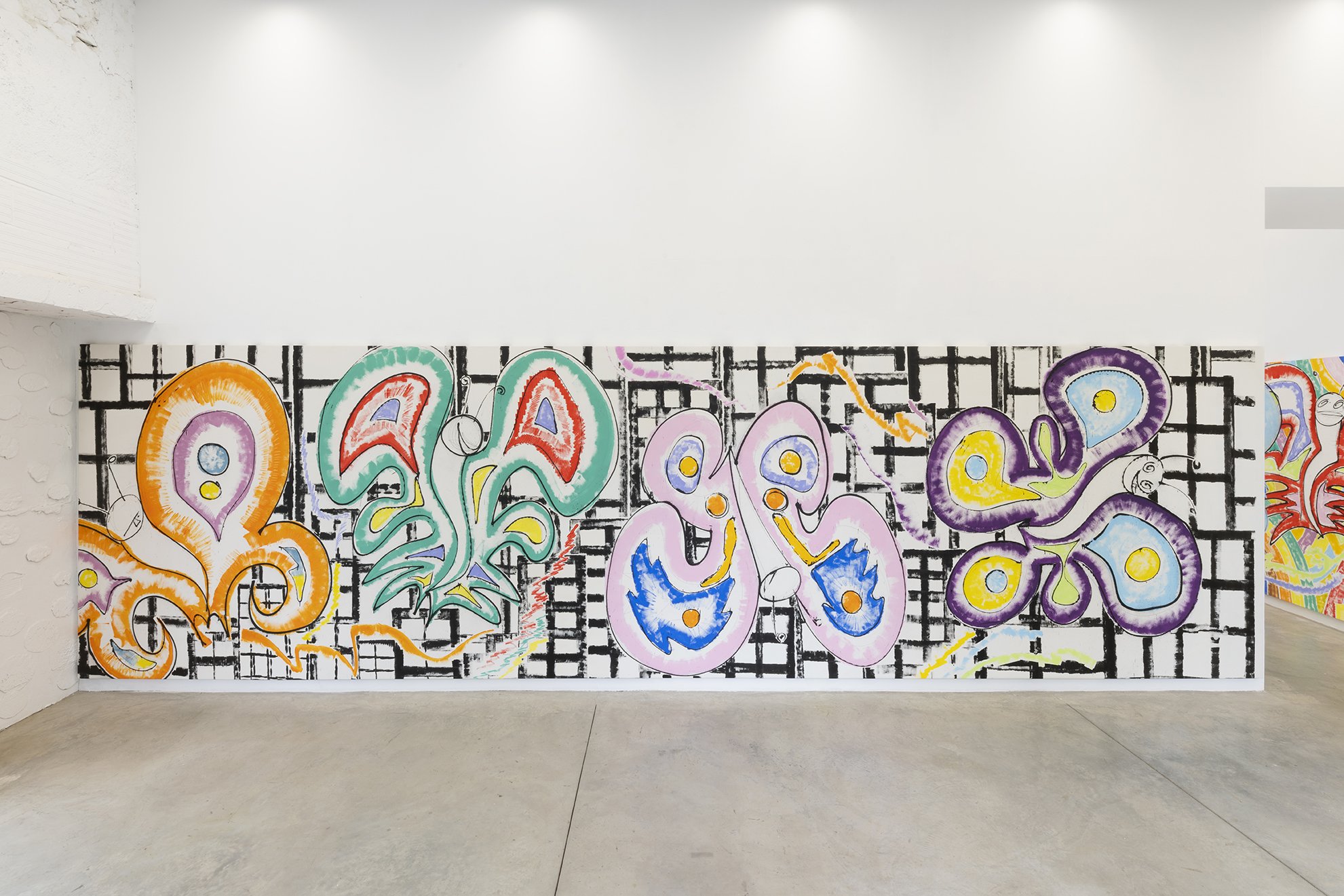
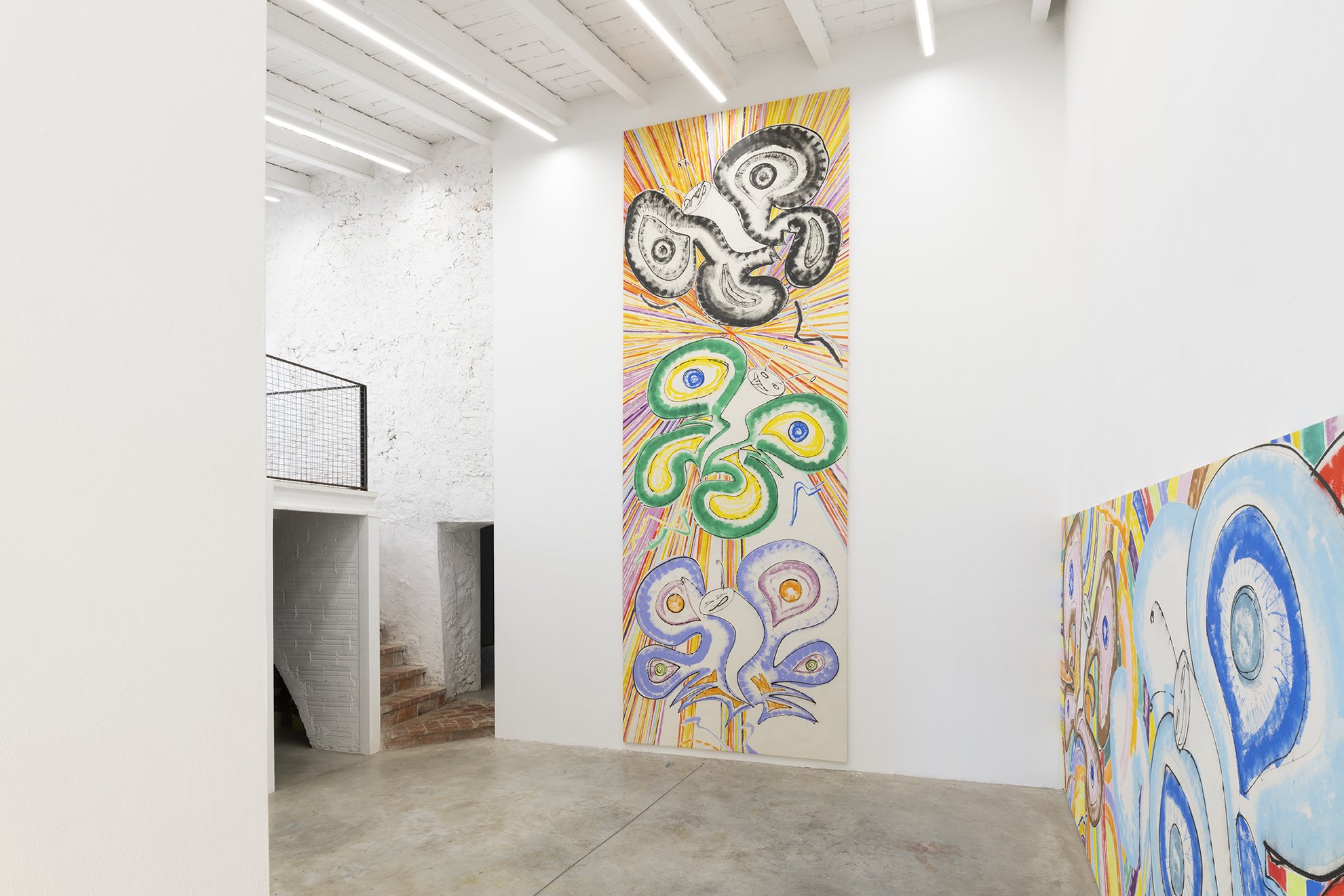
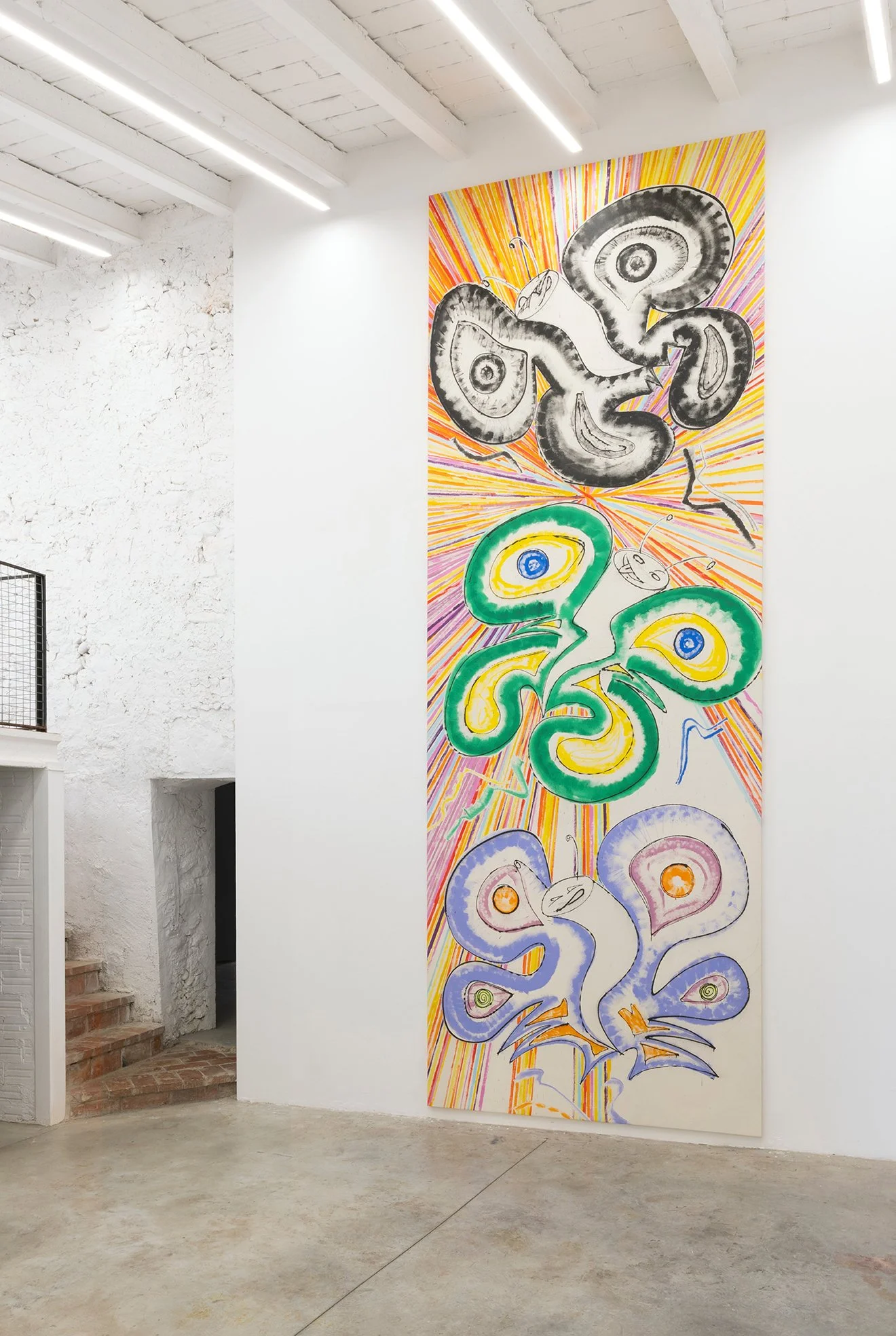
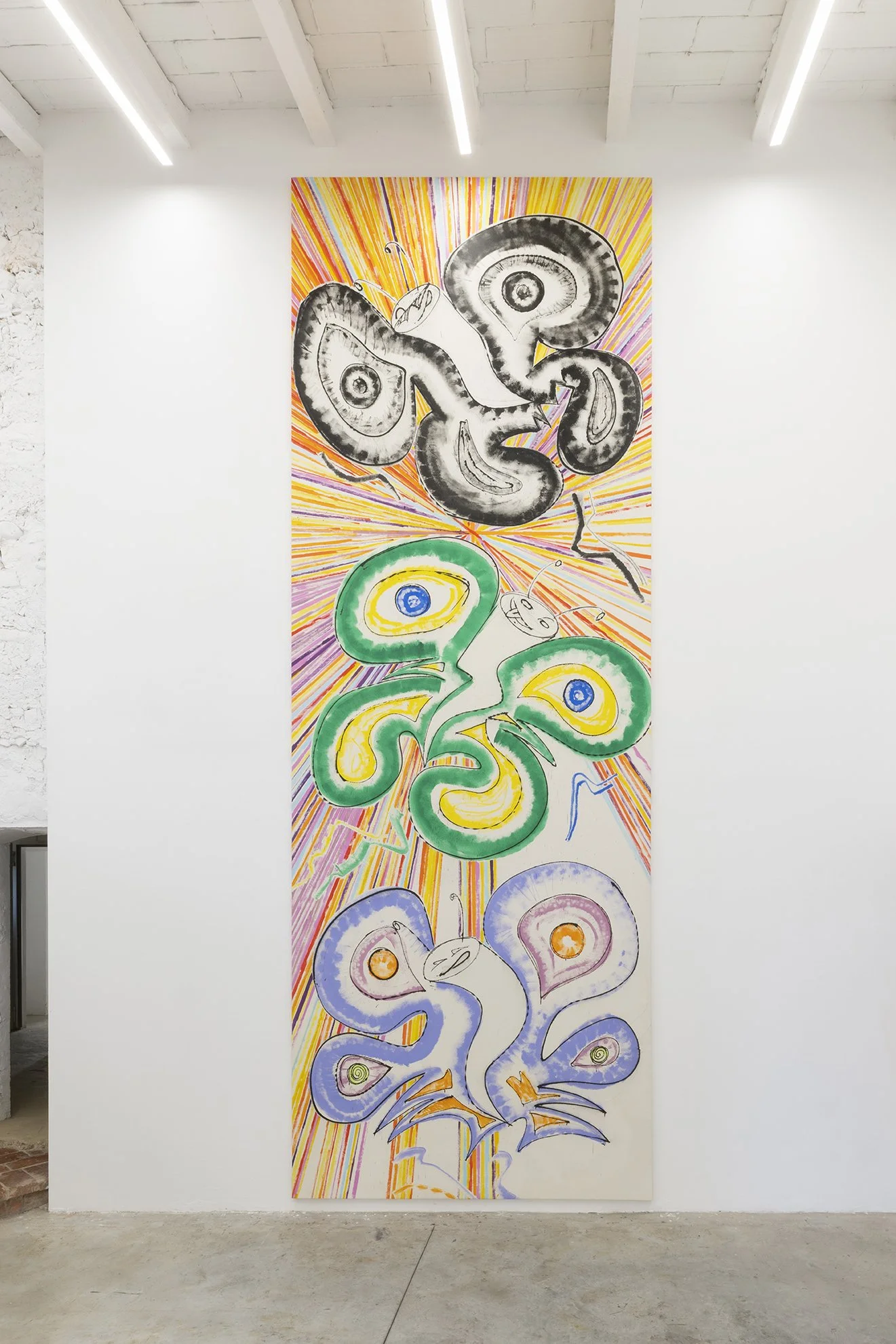
Josep Maynou. Viñeta, 2026. Acrylic and flashe on canvas. 190 x 680 cm.
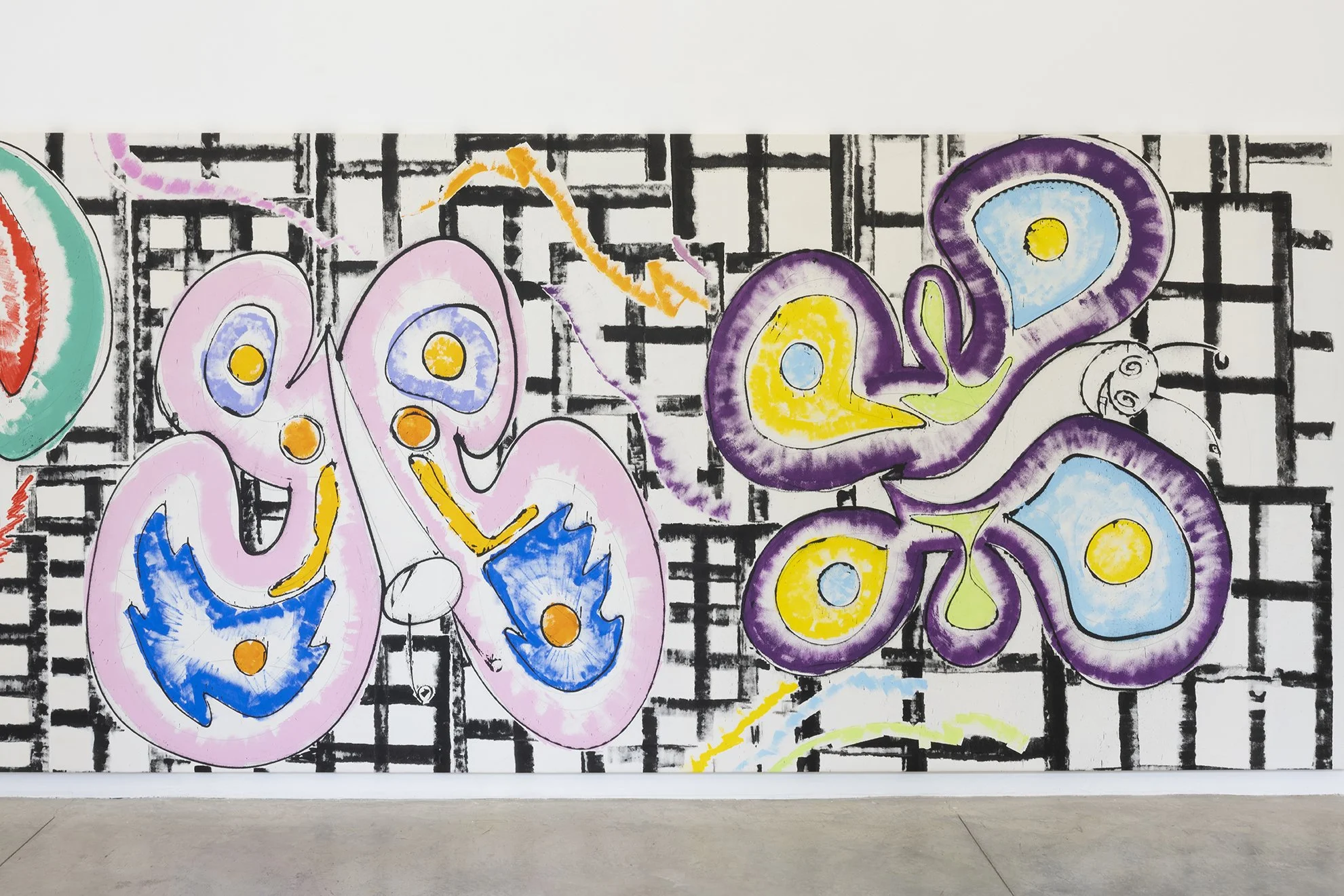
Josep Maynou. Viñeta, 2026. Acrylic and flashe on canvas. 190 x 680 cm.
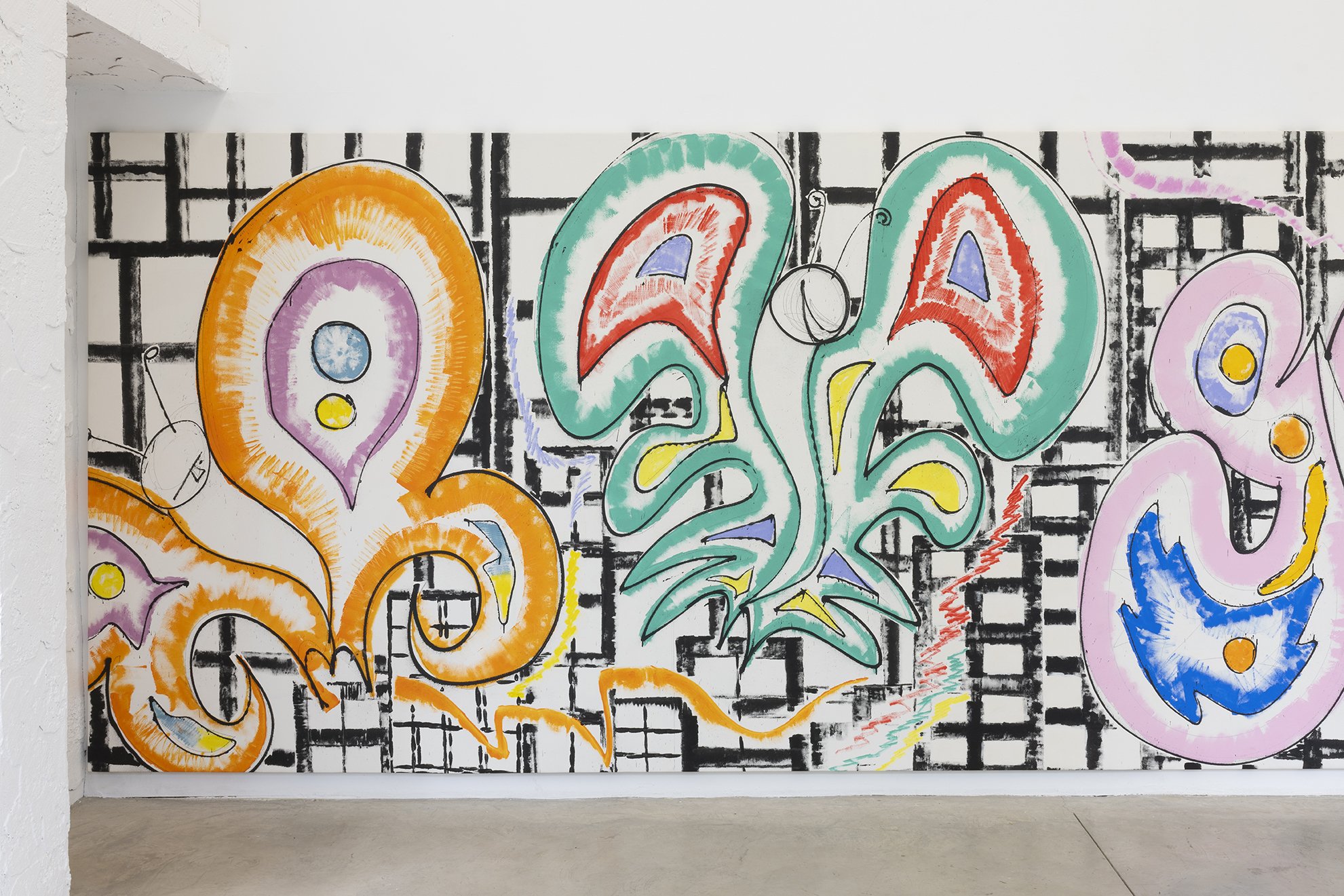
Josep Maynou. Viñeta, 2026. Acrylic and flashe on canvas. 190 x 680 cm. Detail.
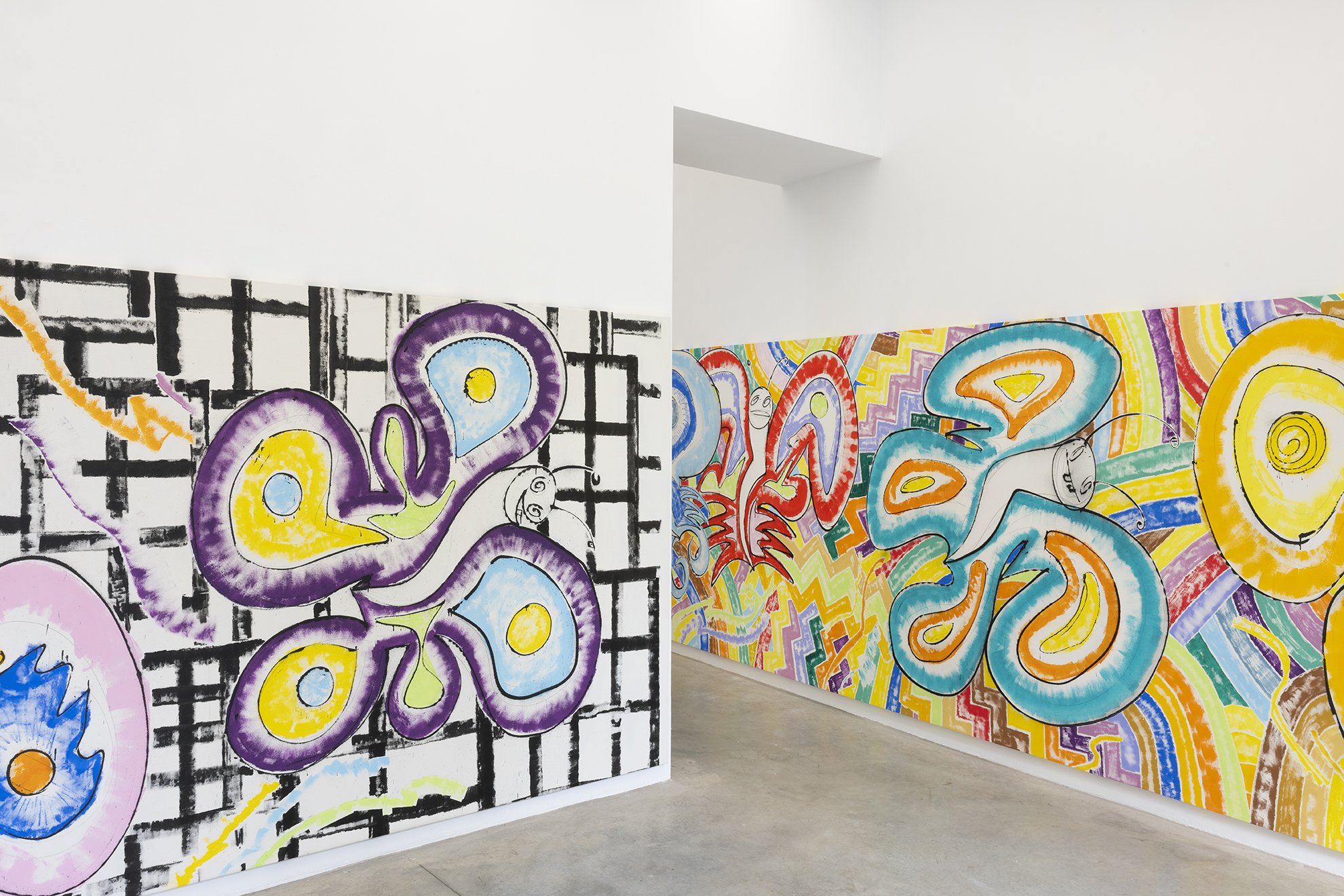
Josep Maynou. Viñeta, 2026. Acrylic and flashe on canvas. 190 x 680 cm. (Left). Josep Maynou. PARTYMPIM, 2026. Acrylic and flashe on canvas. 190 x 946cm. (Right).
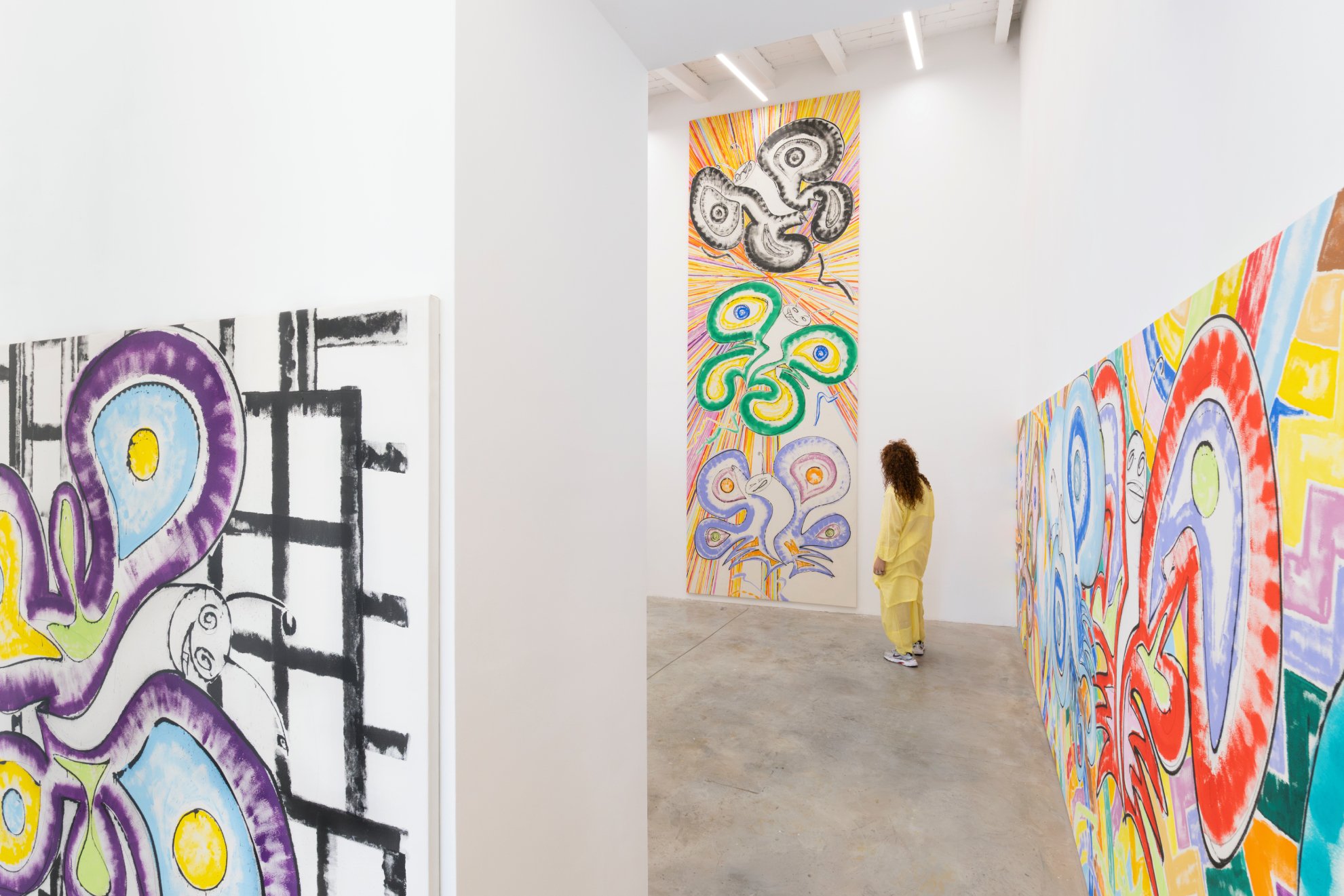
Josep Maynou. Viñeta, 2026. Acrylic and flashe on canvas. 190 x 680 cm. (Left). Josep Maynou. Belo Horizonte, 2026. Acrylic and flashe on canvas. 540 x 190 cm. (Center). Josep Maynou. PARTYMPIM, 2026. Acrylic and flashe on canvas. 190 x 946cm. (Right).
Josep Maynou. Belo Horizonte, 2026. Acrylic and flashe on canvas. 540 x 190 cm. (Center). Josep Maynou. PARTYMPIM, 2026. Acrylic and flashe on canvas. 190 x 946cm. (Right).
Josep Maynou. Belo Horizonte, 2026. Acrylic and flashe on canvas. 540 x 190 cm.
Josep Maynou. Belo Horizonte, 2026. Acrylic and flashe on canvas. 540 x 190 cm.
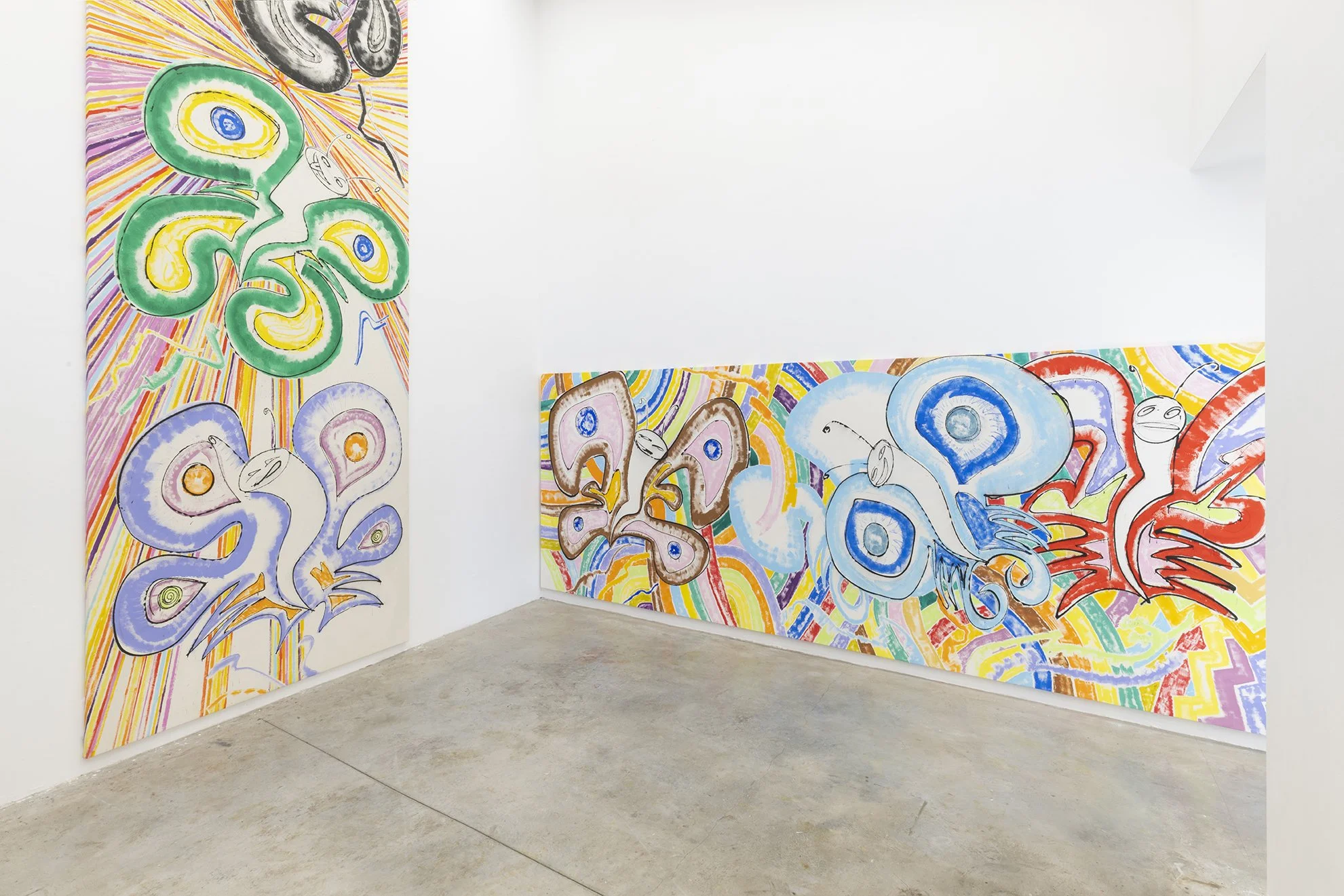
Josep Maynou. Belo Horizonte, 2026. Acrylic and flashe on canvas. 540 x 190 cm. (Left). Josep Maynou. PARTYMPIM, 2026. Acrylic and flashe on canvas. 190 x 946cm. (Right).
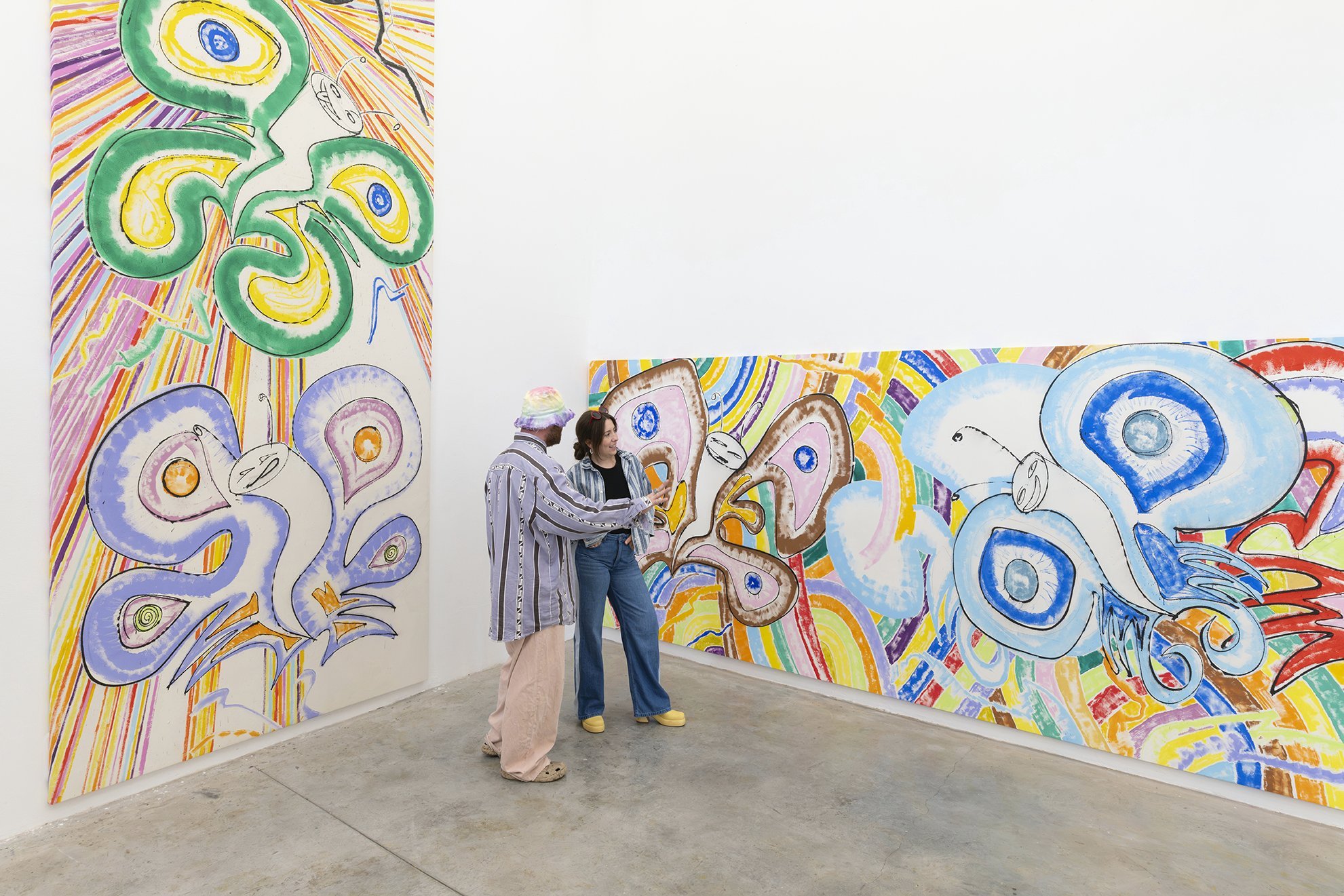
Josep Maynou. Belo Horizonte, 2026. Acrylic and flashe on canvas. 540 x 190 cm. (Left). Josep Maynou. PARTYMPIM, 2026. Acrylic and flashe on canvas. 190 x 946cm. (Right).
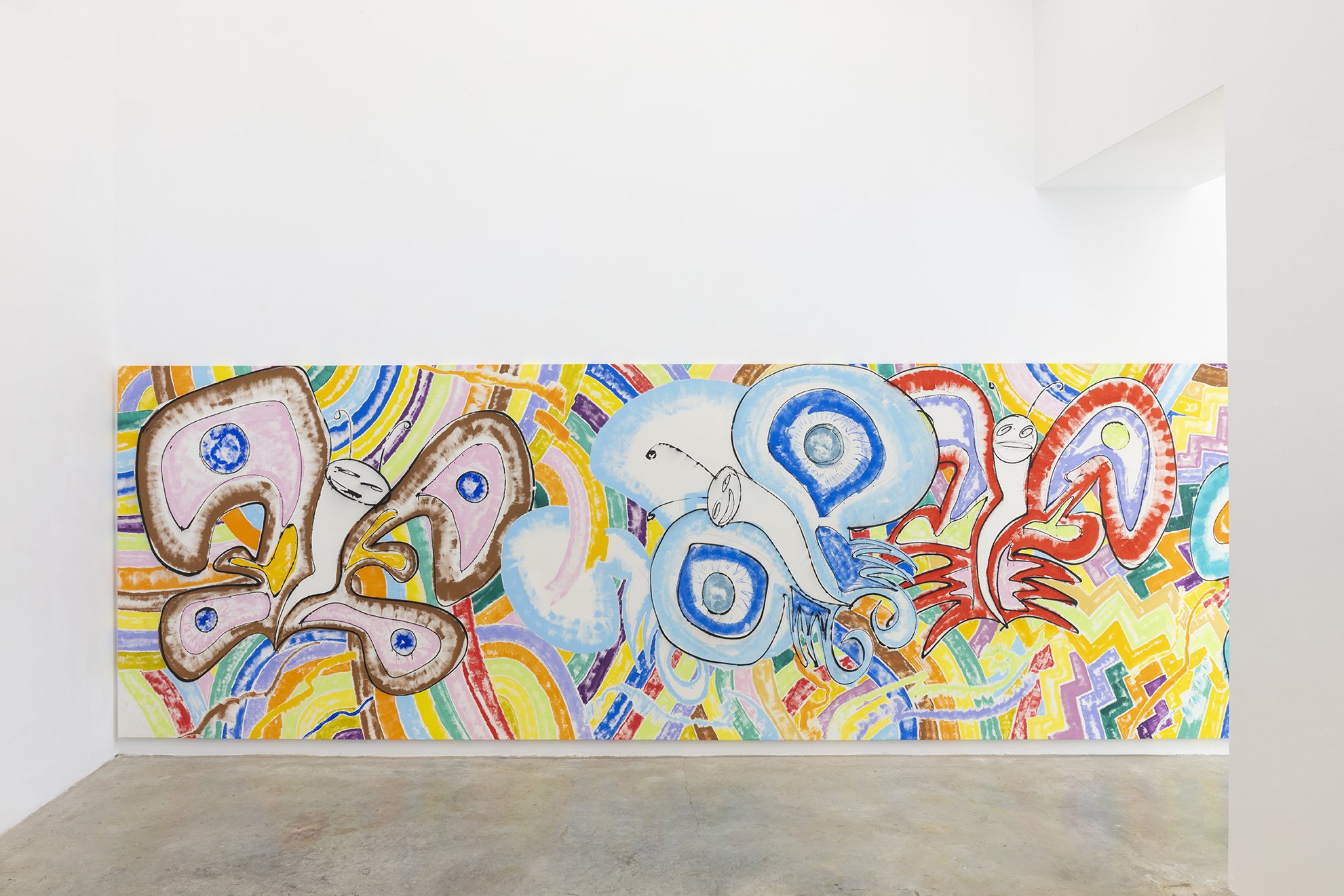
Josep Maynou. PARTYMPIM, 2026. Acrylic and flashe on canvas. 190 x 946cm.
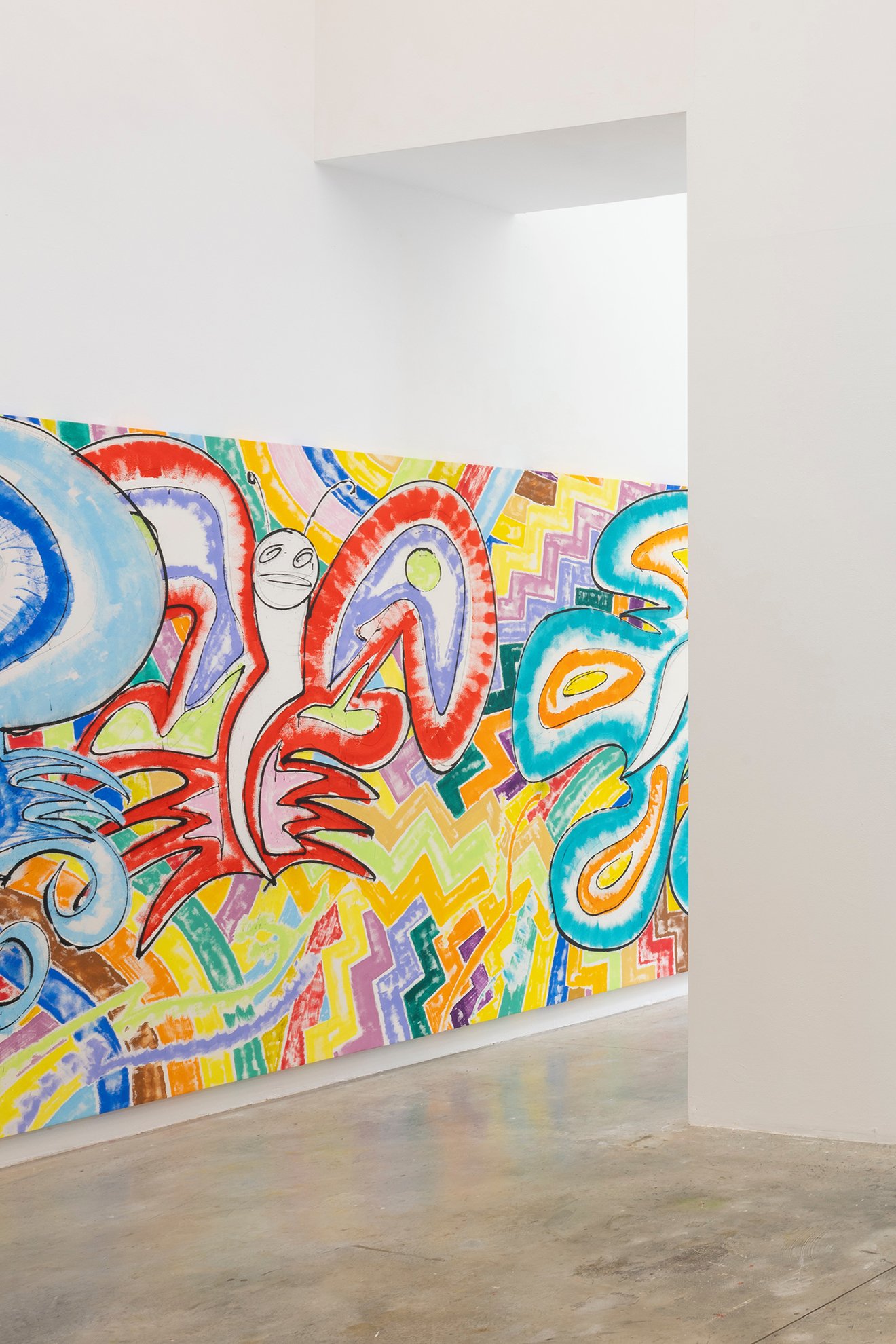
Josep Maynou. PARTYMPIM, 2026. Acrylic and flashe on canvas. 190 x 946cm.
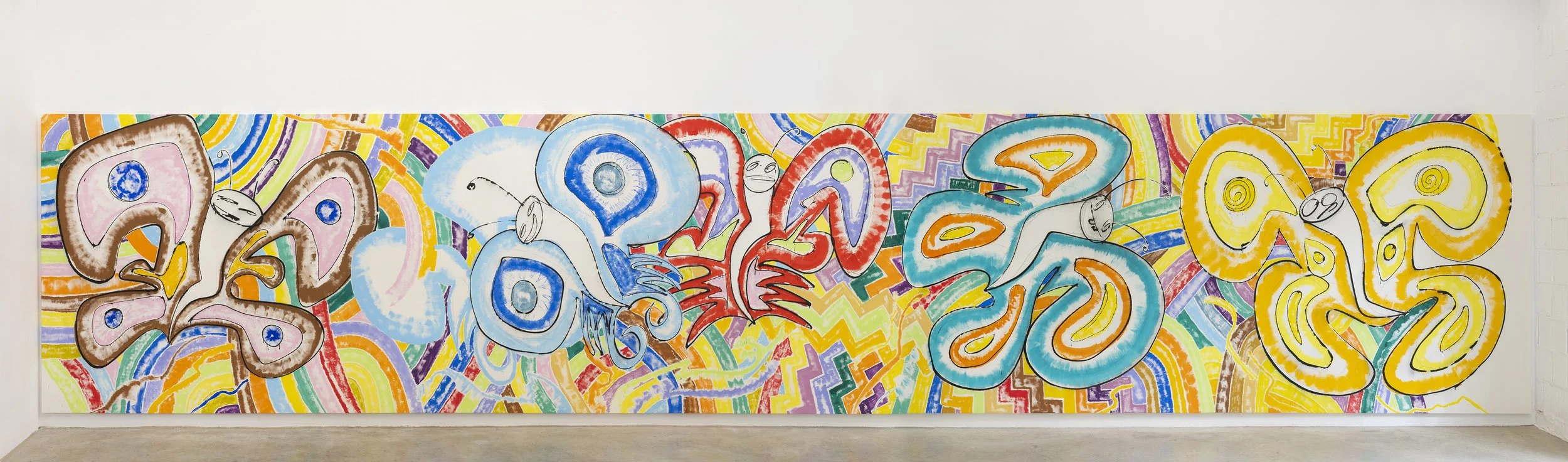
Josep Maynou. PARTYMPIM, 2026. Acrylic and flashe on canvas. 190 x 946cm.
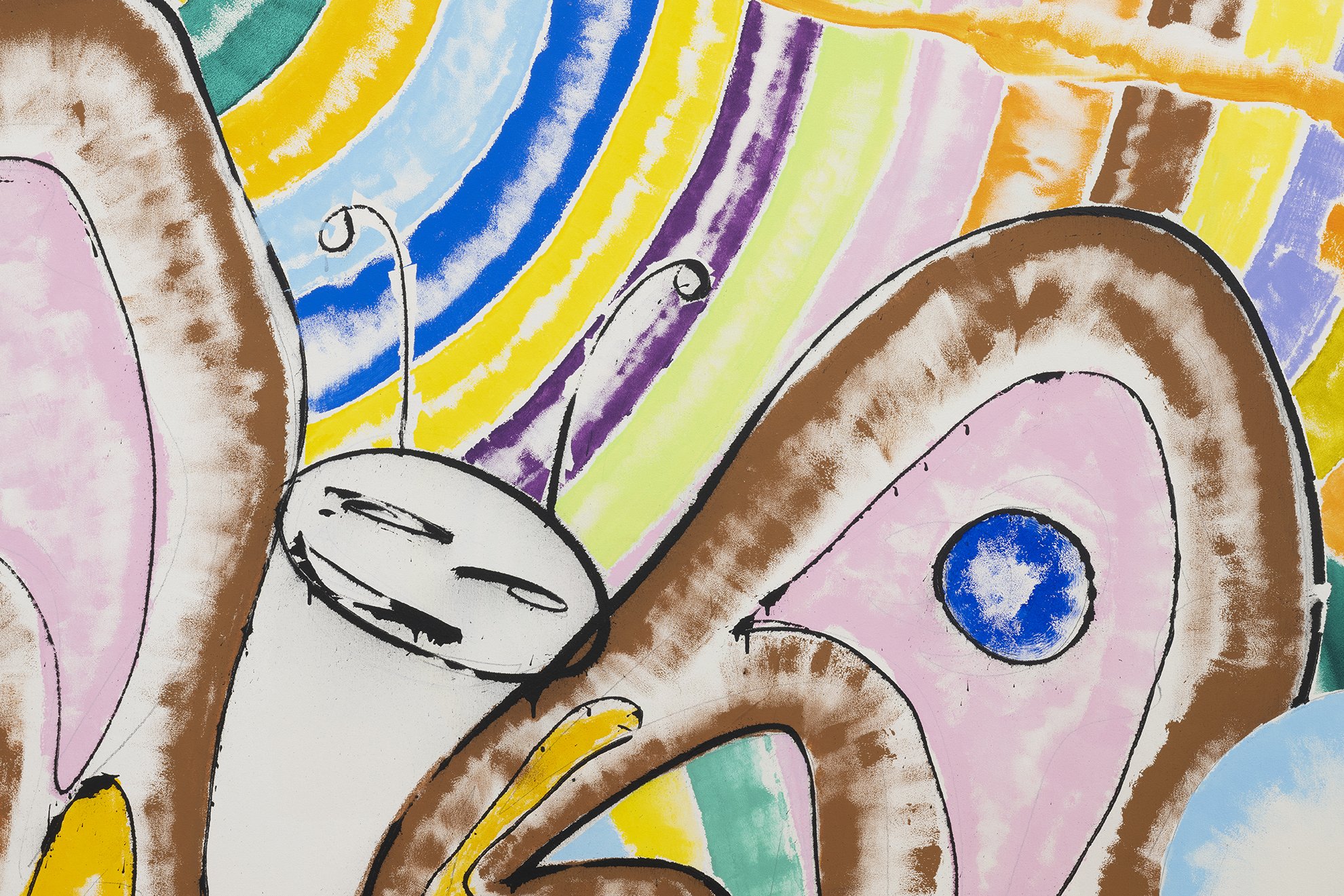
Josep Maynou. PARTYMPIM, 2026. Acrylic and flashe on canvas. 190 x 946cm. Detail.
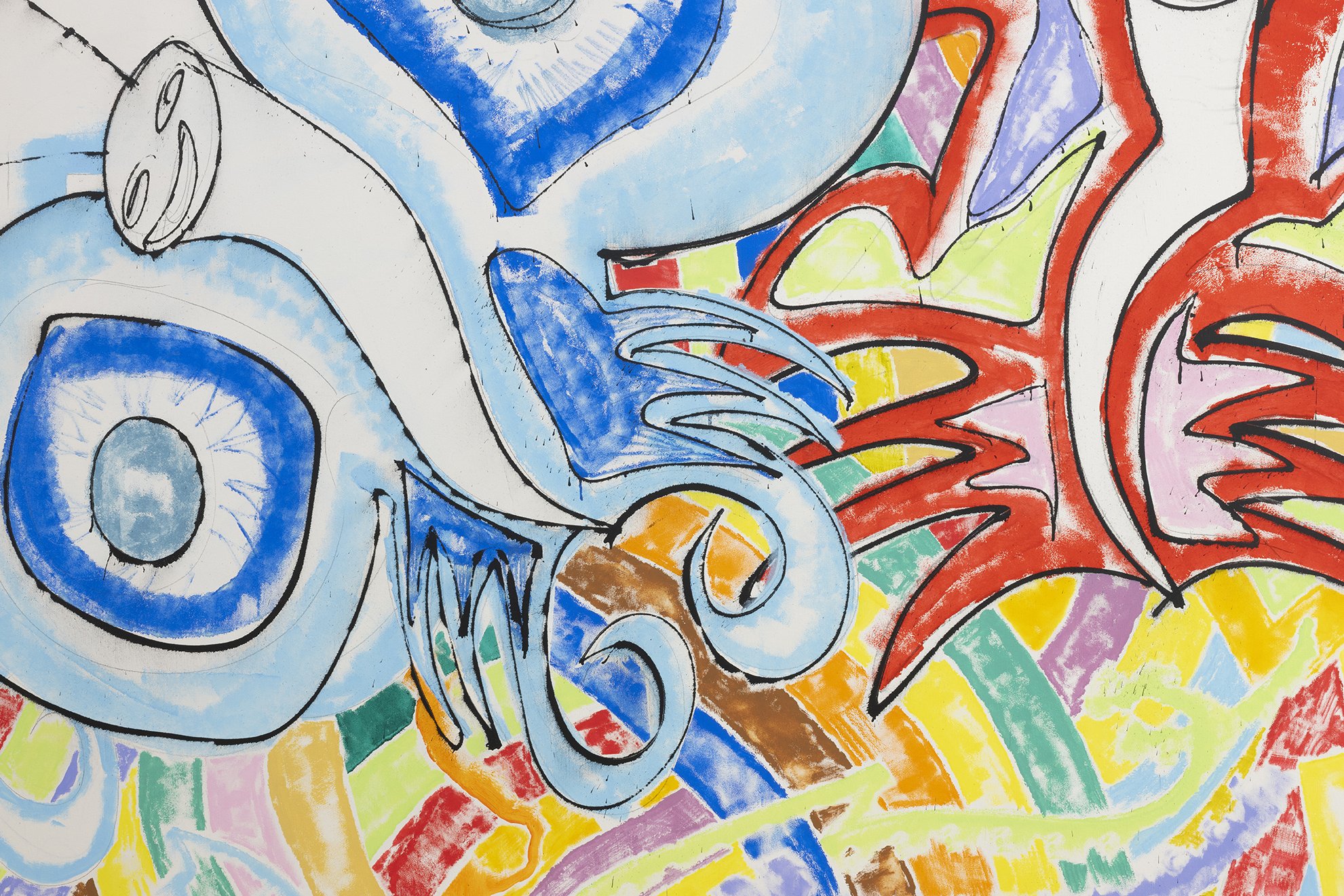
Josep Maynou. PARTYMPIM, 2026. Acrylic and flashe on canvas. 190 x 946cm. Detail.
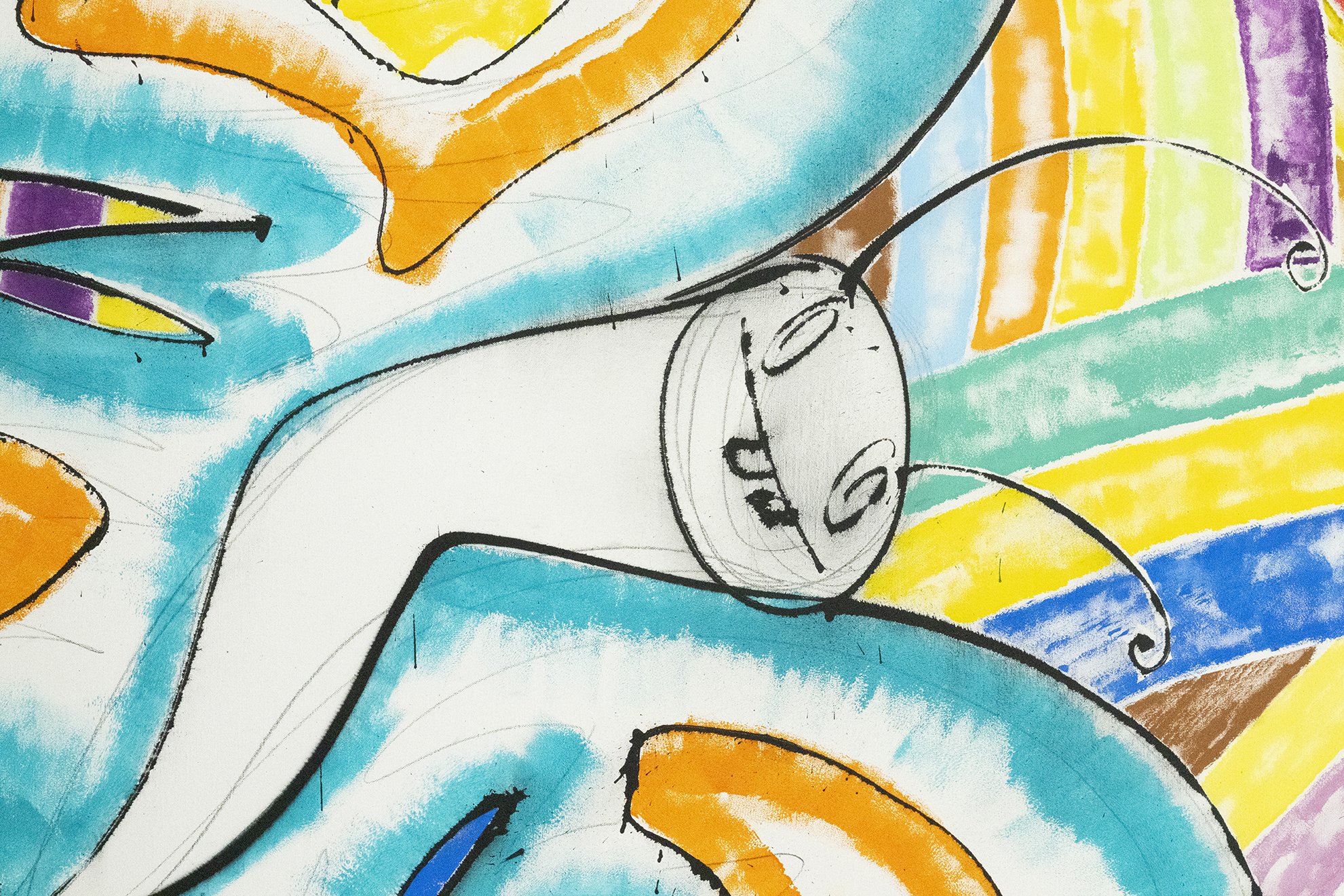
Josep Maynou. PARTYMPIM, 2026. Acrylic and flashe on canvas. 190 x 946cm. Detail.
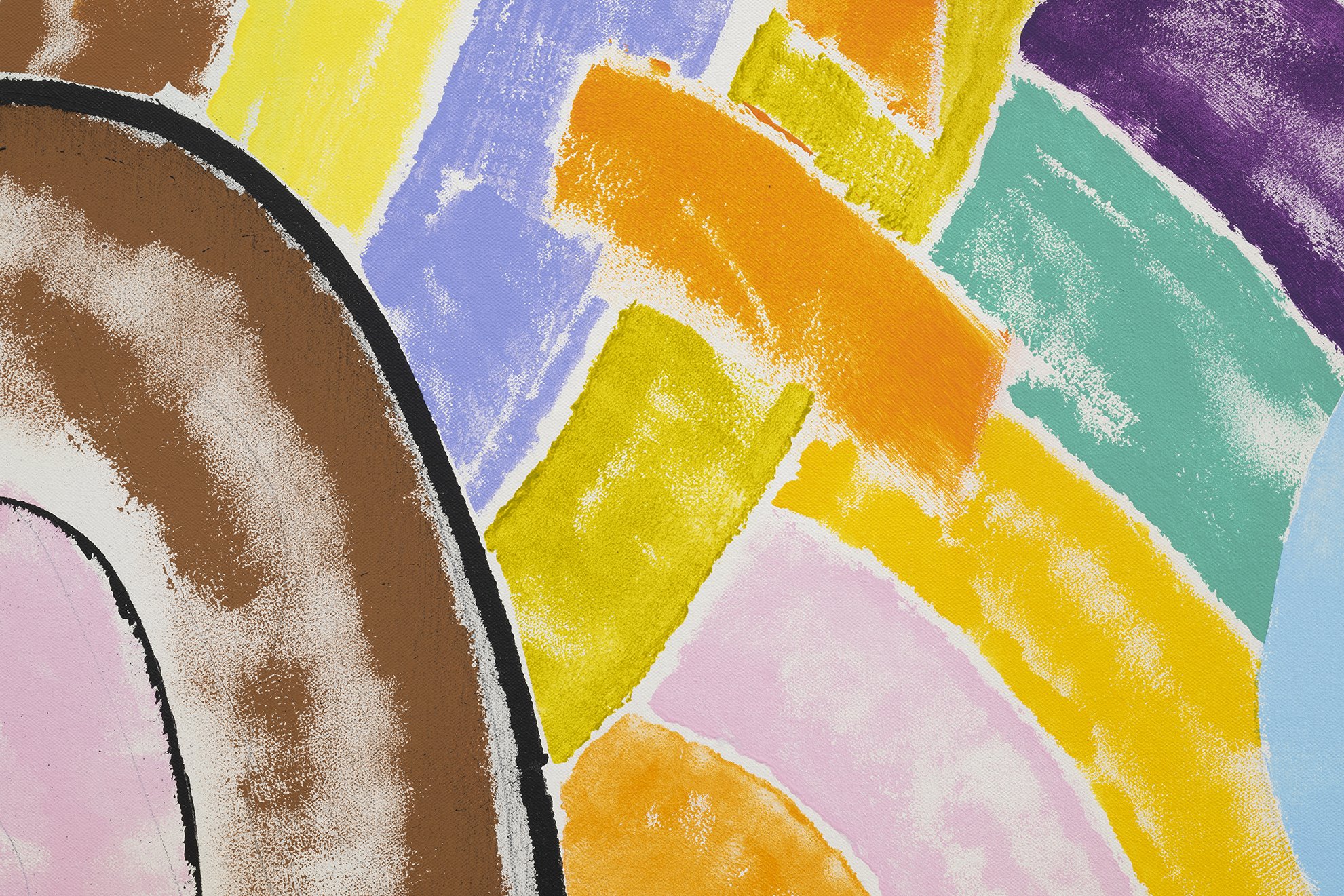
Josep Maynou. PARTYMPIM, 2026. Acrylic and flashe on canvas. 190 x 946cm. Detail.
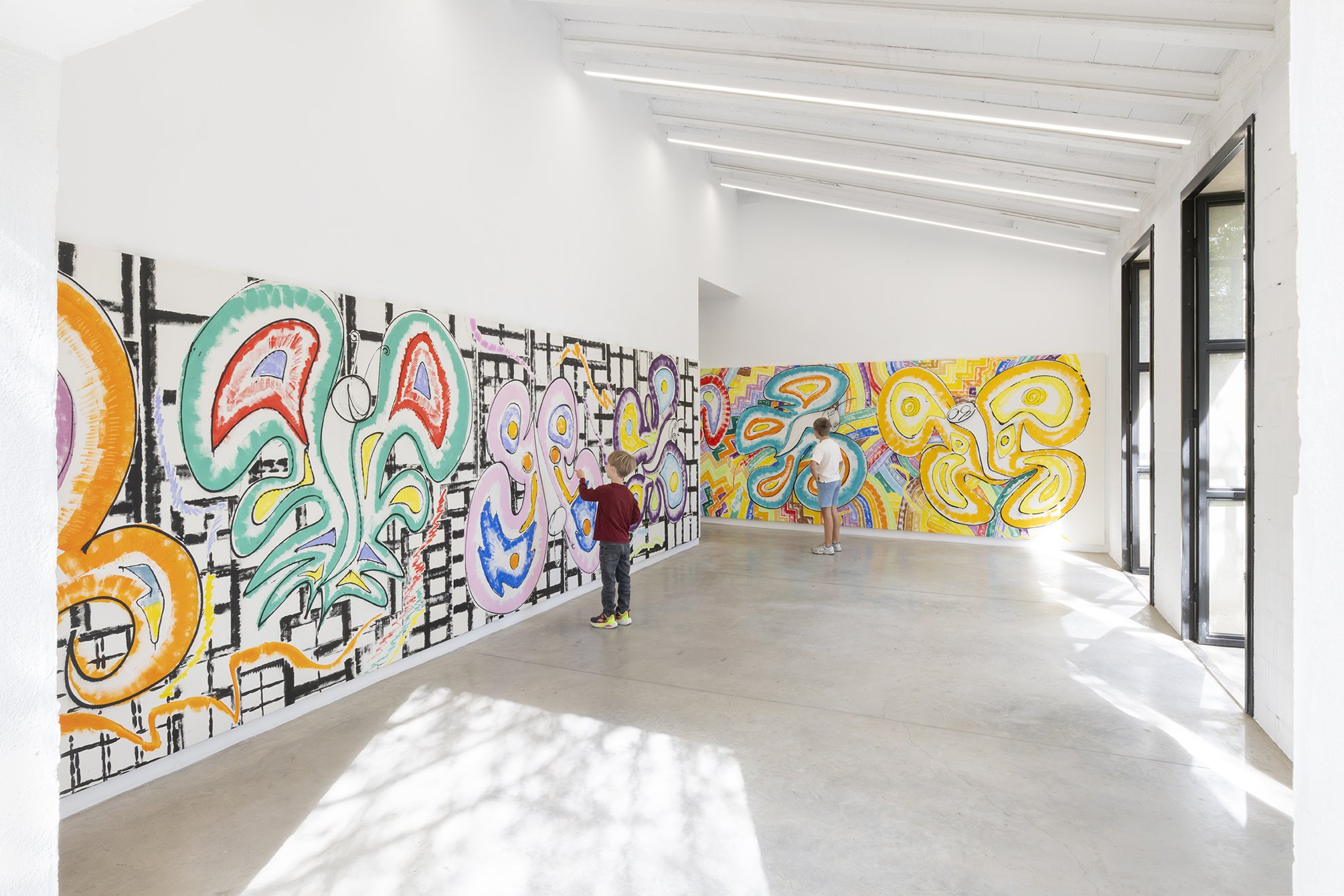
Josep Maynou. Viñeta, 2026. Acrylic and flashe on canvas. 190 x 680 cm. (Left). Josep Maynou. PARTYMPIM, 2026. Acrylic and flashe on canvas. 190 x 946cm. (Right).
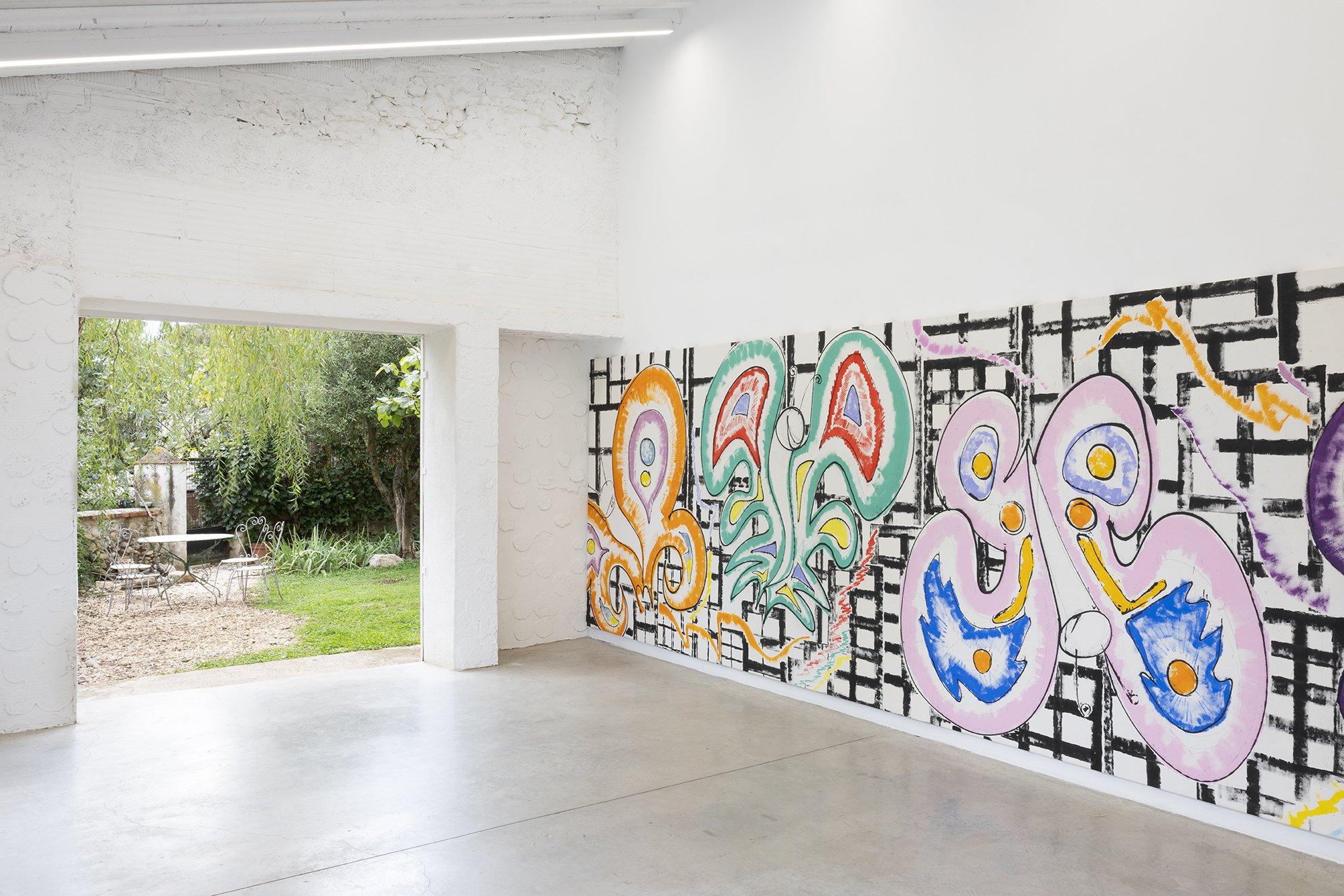
Josep Maynou. Viñeta, 2026. Acrylic and flashe on canvas. 190 x 680 cm.
GAL
A birthday and a butterfly, a paradox of times.
The dies natalis, or one’s own birth day, was not a date of significance to ordinary people for hundreds of years, but rather reserved for emperors, kings and the aristocratic classes, until the Romans extended the practice to the everyday - free - man, who celebrated the occasion with sacrifices and offerings to the Genius for the men, or the Juno for the women. The Genius and the Juno were individual deities, attached to the singular soul of each person, who were born and died with them, as much as they were conceived as patrons or guardian angels. The worship of these personal yet divine entities, considered a sin of pride and a proto form of the cult to the self, was sought to be eradicated by Catholicism and the ritual diverted towards the Saint calendar, related to one’s given name. Several factors promoted the reintroduction of the celebration in western cultures: the Protestant Revolution and their rejection of sainthood, the new recognition of childhood as a crucial period in an individual’s life, and the advent of the printing press, bringing the domestic calendar to the home. The solidification of the bourgeoisie, with its nuclear family structure that would become the foundations of the middle class, and the demands of the Industrial Age, all consolidated the standardization of time.
Clocks, labor shifts, wages, all of the consequent measures of objectification and synchronization of time are essential to the economic and sentimental systems that we socially operate in today. A birthday appears, not so much a rite of passage - with its symbolism and associated progression in tasks or position - but a rite of temporality. A life cycle is being mathematized with each passing day, month and year, and also being historized when its running course is being celebrated by others - perhaps in an endeavour to grasp time, a very human impossibility. The history of counting time is long and ongoing, and it goes from the cosmic perspective to the seasonal rhythm, to the political and religious calendar, all the way down to the yearly individual cake and candle-blowing tradition. A veneration of time exists hand in hand with a fear of death, an inescapable measure all around us.
The maximum confirmed lifespans for the world's most resilient butterflies, amongst which Helickson’s Longwing or the Monarch are counted, is just under the one-year mark. After the birth of an egg, the larva stage is substantially longer, where the caterpillar eats and grows. In the pupa stage, after it has spun its own chrysalis, the quick cellular process begins: in the histolysis, digestive enzymes digest most of the larval tissues, dissolving the caterpillar almost entirely into a cellular soup. In histogenesis, the dormant cells use the nutrients to grow into adult organs; the breathing is continued throughout by the tracheae while the rest of the body is recycled. Out of the metamorphosis emerges the butterfly, hanging upside down to pump and dry its wings and begin its adult life.
The origins of the name are varied, but capture a common impression of the ephemeral and fleeing freedom in its movement. In the latin Papilio (the french Papillon, the italian Farfalla or the portuguese Borboleta), the sound of the word mimics the transient, fluttering, scattered and indomitable nature of the creature. In the Spanish Mariposa (from the Catholic Maria, and the verb posarse, or to be still), “Maria, ¡pósate!” is the popular saying asking the insect to rest, thought to be the root of the modern term. Mariposear means to be fickle by constantly changing focus or romantic partners without settling down. To be “a social butterfly” also holds a connotation of frivolous behaviour, a superficial character that doesn’t engage deeply into things. In Germanic languages, Schmetterling or Butterfly traces back to medieval European folklore and tales of a milk-thief, or witches turning into butterflies to come inside the house to steal or spoil uncovered butter or dairy.
The greek word, though, adds a more significant layer: Psykhḗ is both the butterfly, and the soul (the latin anima, the spirit or the human breath), also holding another story in its mythological counterpart. First known from the book Methamorphoses by Apuleius, Psyche was a mortal woman of unmatched beauty, the youngest daughter of a king and a queen. Venus’ worshippers had started neglecting their duties and instead admired Psyche, which caused the goddess to take revenge on her and sent her son Eros (the Roman Cupid) to make her fall in love with a hideous monster. But Eros scratches himself with one of his own darts and becomes helplessly in love with Psyche, disobeying his mother’s orders, but still leaving Psyche unmarried. The king consults an oracle, who directs him to leave Psyche on top of a mountain, where according to the prophecy she is destined to marry an immortal and frightening being. She is sent on to live in an opulent palace where Eros visits her every night under the condition that she never looks upon his face. After her envious sisters find out about her fate, they come to live in the palace and eventually persuade her to look at Eros by the light of an oil lamp while he is sleeping. A drop of oil wakes him and wounds him, and he flees, leaving Psyche in the hands of the now twice as vengeful Venus, who makes Psyche go through an endless series of tests and tribulations, at the end of which she is granted immortality, marries Eros and the two have a daughter, Voluptas. Psyche, a symbol of growth and transformation in Greek mythology, is represented in all of art history with butterfly wings, often next to her angel winged husband.
A vulnerable creature of delicate and vain appearance, the butterfly is destabilized by a simple touch, the traces of human skin oils destroying her microscopic scales, or sticking her membrane together. But it is also the embodiment of resilience, a token of complete regeneration, flexibility and unfolding. Every time we catch a glimpse of one, we are drawn to it: a magnificent miniature of graceful and ostentatious beauty, a rarity. A joyous encounter, the stereotype of a childhood memory: it briefly reminds us that nothing is really still, it reminds us of how rare and fleeting it is to be alive.
Josep Maynou’s work is a trajectory of gestures consolidating a singular sense of humour into objects, composing a fortunate encounter, a collage between lived anecdotes and the idiosyncrasy of mundane things. Living between performance, sculpture, video, textile and drawing, he uses performative linguistics to weave the everyday character of found images or materials with their fictional potential, creating a moment of poetic opportunity with each unexpected occurrence. GAL is an exhibition that takes the name of his first-born daughter, and it takes place on the date of her first birthday. For this project at Spiritvessel, he takes on the challenge of transformation, tapping into the territory of large scale painting as an unanticipated undertaking that congeals his characteristic approach in a new format.
- Sira Pizà
Josep Maynou (1980, Barcelona) lives and works in Barcelona. He studied at the Faculty of Fine Arts Porto (Porto) and at Middlesex University (London). Recent solo exhibitions include Punto Dulce, Madera 33, Madrid (2026); SE NON TI PIACE CAMBIALO, Spazio Leonardo, Milan (2024); Chuletas, Bombon projects, Barcelona (2023); Punto de luz Papitu, Centro Párraga, Murcia (2022); SELF BAZAR, UNA Galleria, Piacenza (2021); This must be the place, L+S Projects, Porto (2020); To bow at the beginning not at the end, Collection Born, Munich (2019). He is represented by Bombon Projects , Barcelona & Madrid; Una Galleria , Milan & Piacenza; and Lehman Contemporary, Porto.
All images by Roberto Ruiz. Courtesy of the artist and Spiritvessel.