KIN TOO
Jordi Mitjà, Sahatsa Jauregi, Michele Gabriele, Andrew Birk, Monia Ben Hamouda,
1 August · 8 August 2026
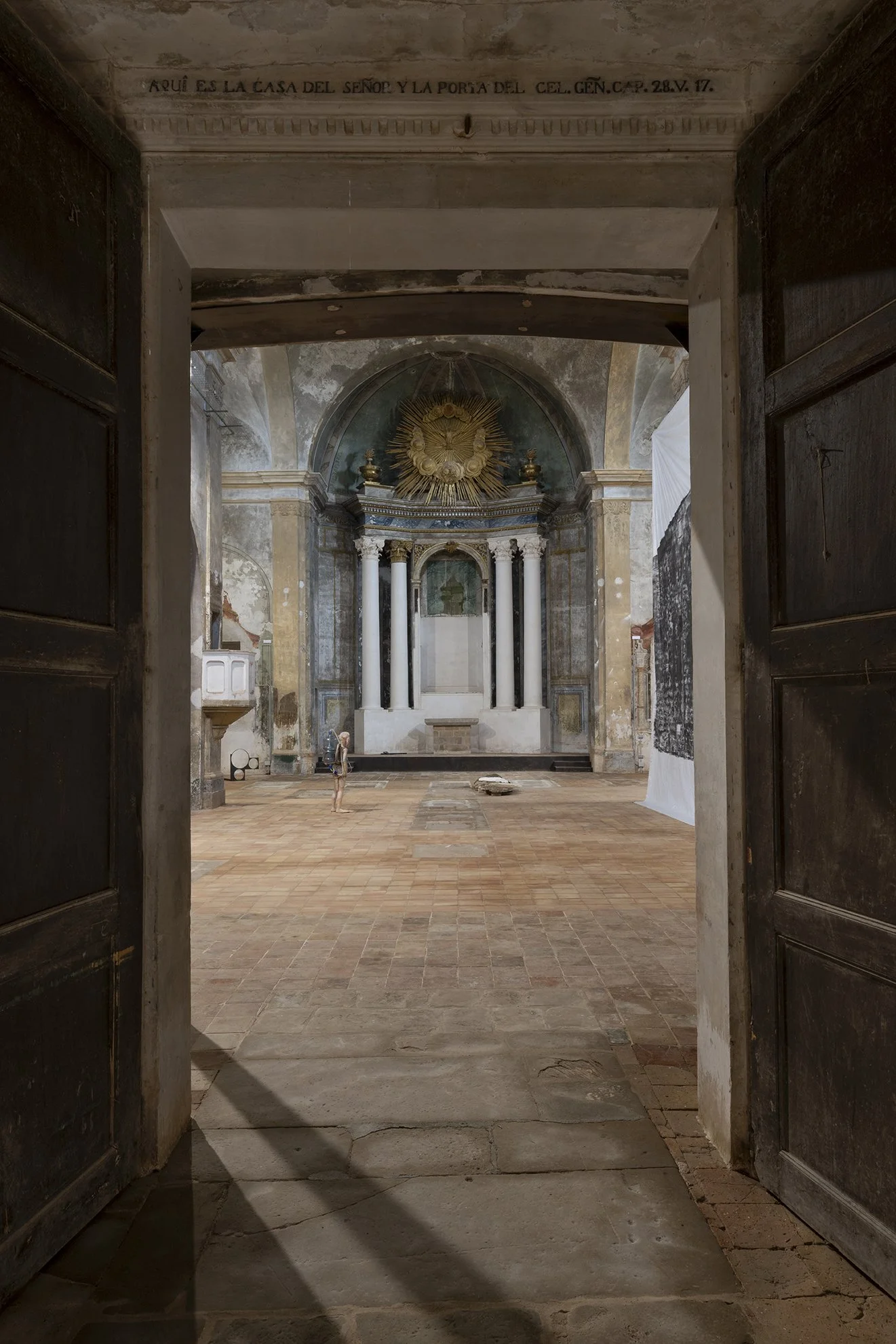
Installation view. Kin Too. Spiritvessel @ Sant Feliu de Lladó. Image by Roberto Ruiz. Courtesy of the artists and Spiritvessel.
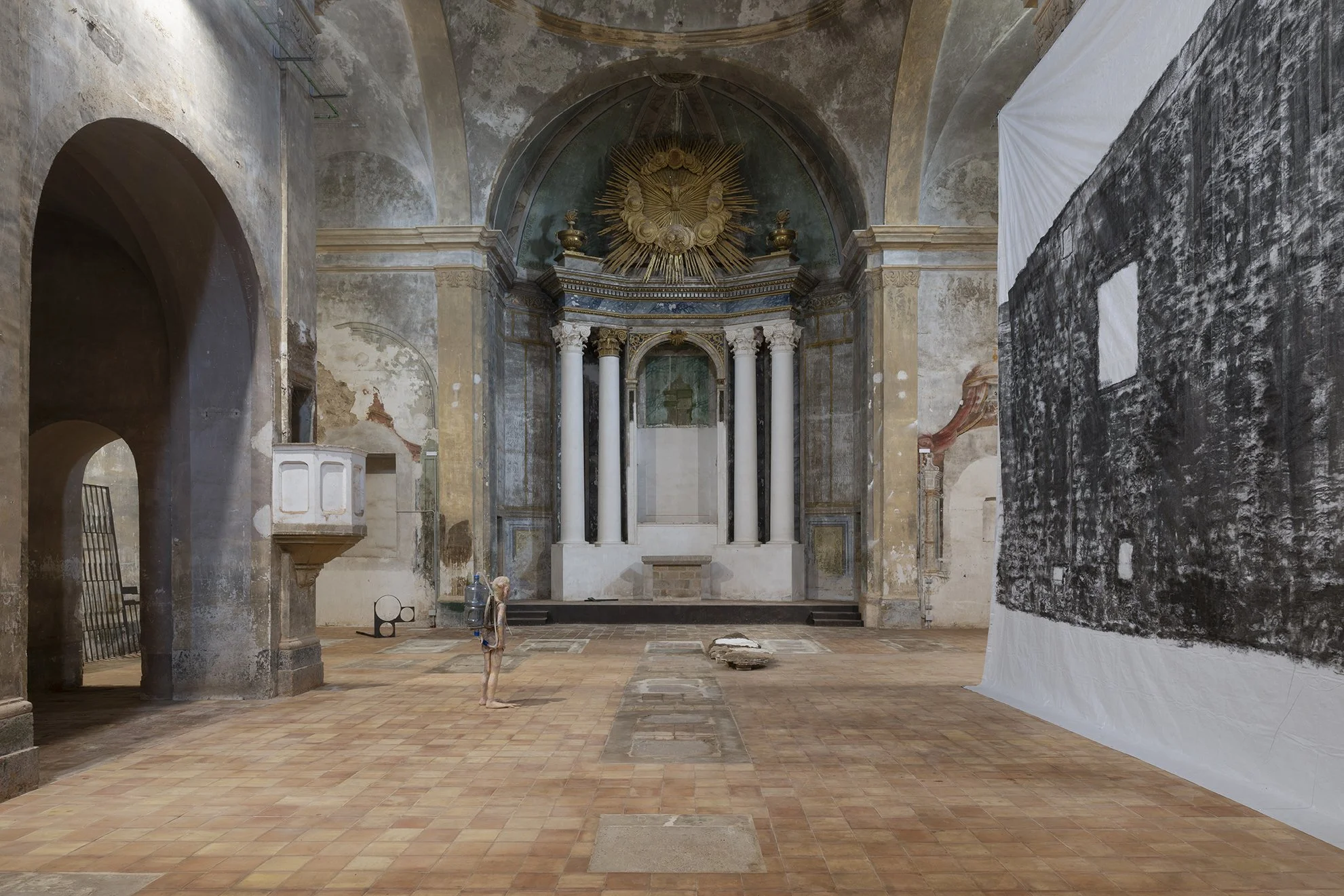
Installation view. Kin Too. Spiritvessel @ Sant Feliu de Lladó. Image by Roberto Ruiz. Courtesy of the artists and Spiritvessel.
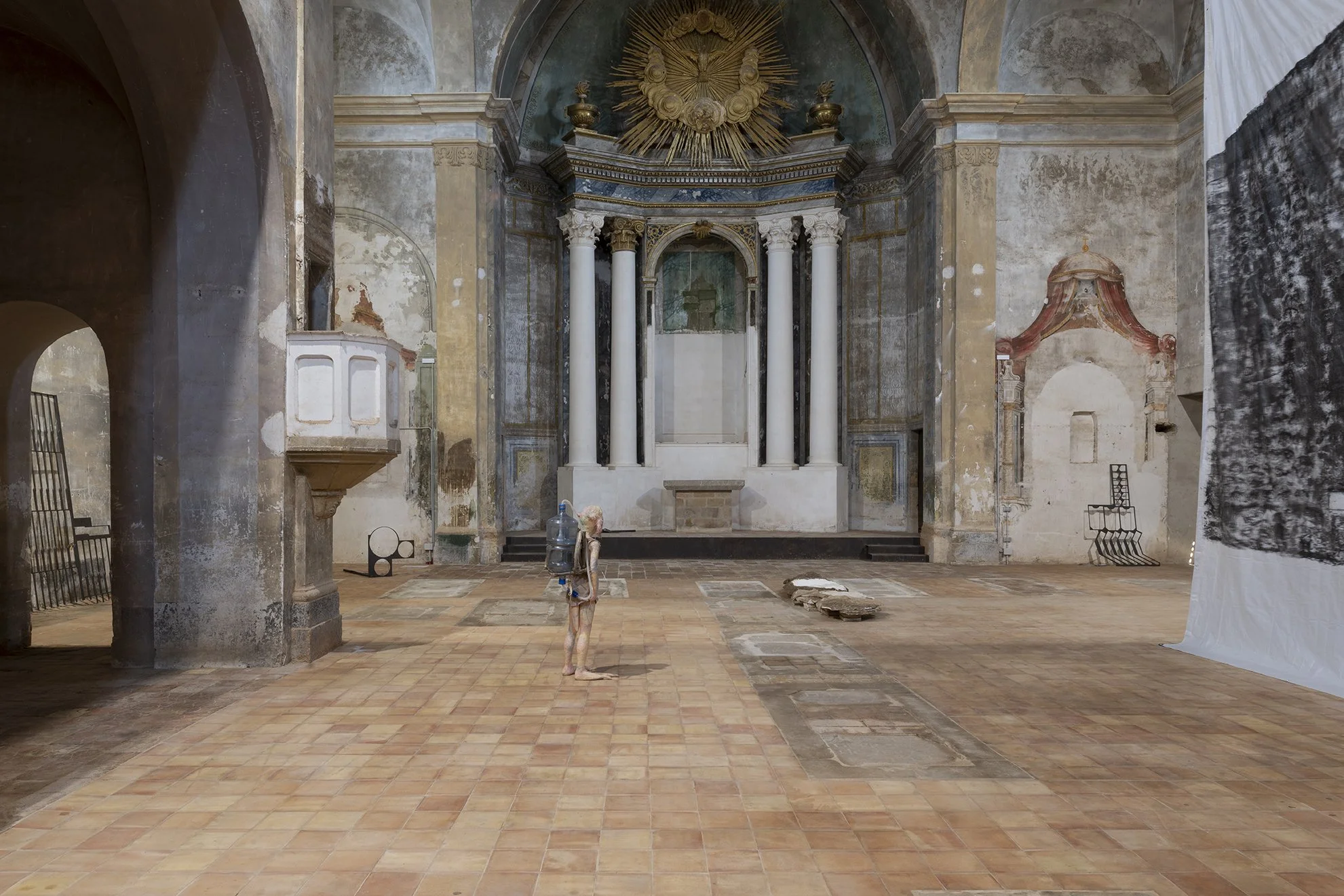
Installation view. Kin Too. Spiritvessel @ Sant Feliu de Lladó. Image by Roberto Ruiz. Courtesy of the artists and Spiritvessel.
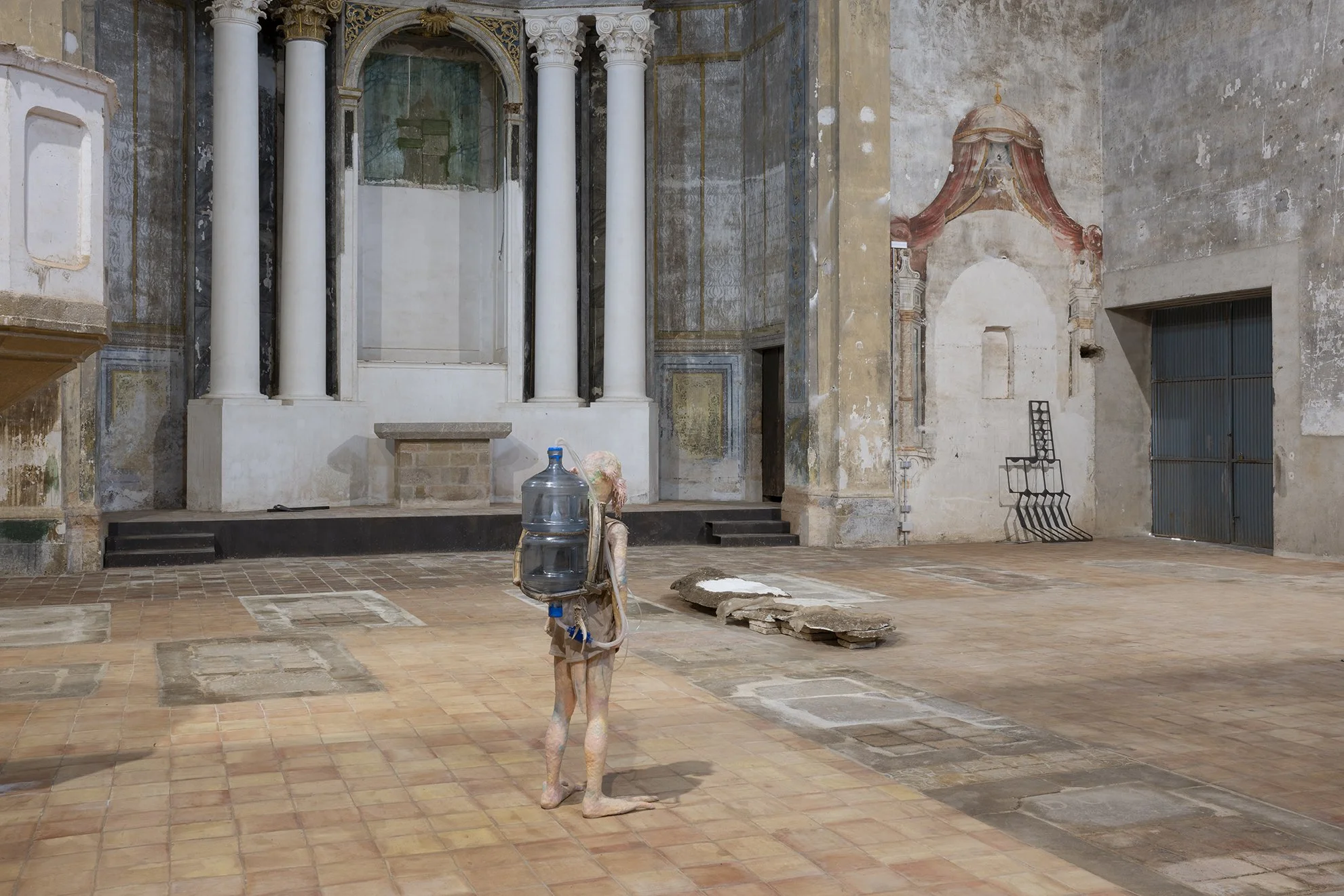
Installation view. Kin Too. Spiritvessel @ Sant Feliu de Lladó. Image by Roberto Ruiz. Courtesy of the artists and Spiritvessel.
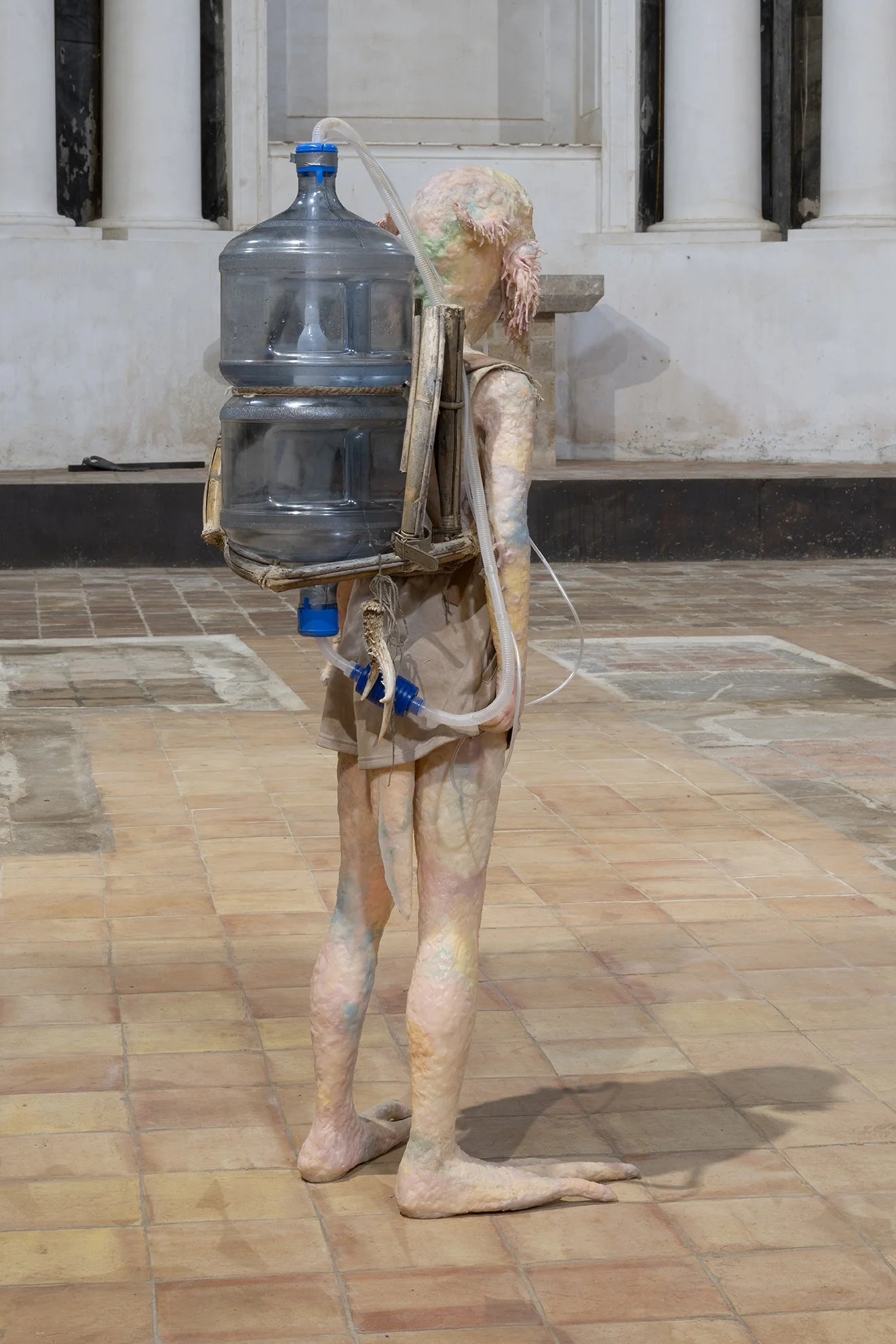
Michele Gabriele. July 2nd, 2026. Silicone, resin, acrylic colors, fabric, plastic, metal, and found objects. 155 cm x 80 cm x 60 cm. Image by Roberto Ruiz. Courtesy of the artists and Spiritvessel.
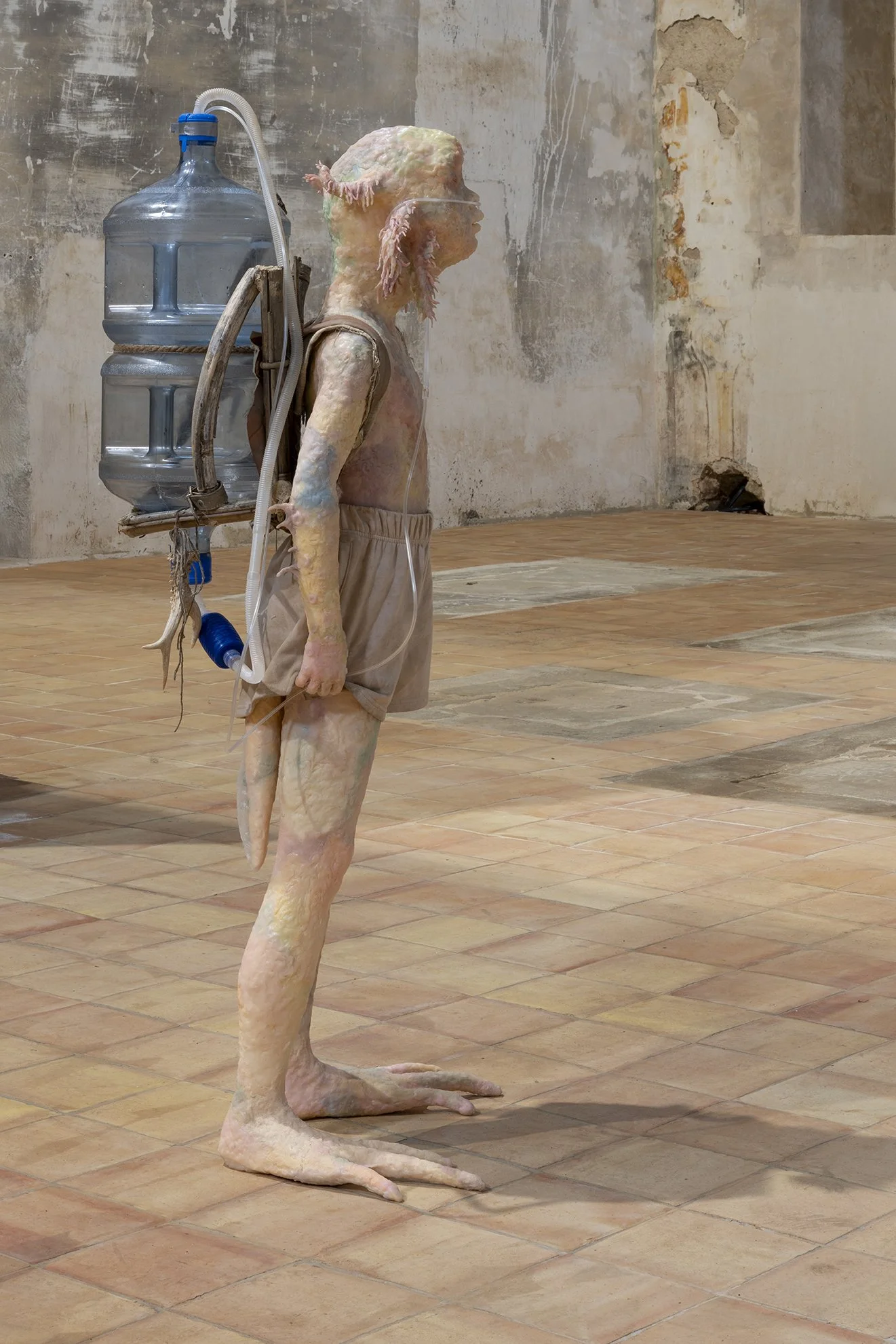
Michele Gabriele. July 2nd, 2026. Silicone, resin, acrylic colors, fabric, plastic, metal, and found objects. 155 cm x 80 cm x 60 cm. Image by Roberto Ruiz. Courtesy of the artists and Spiritvessel.
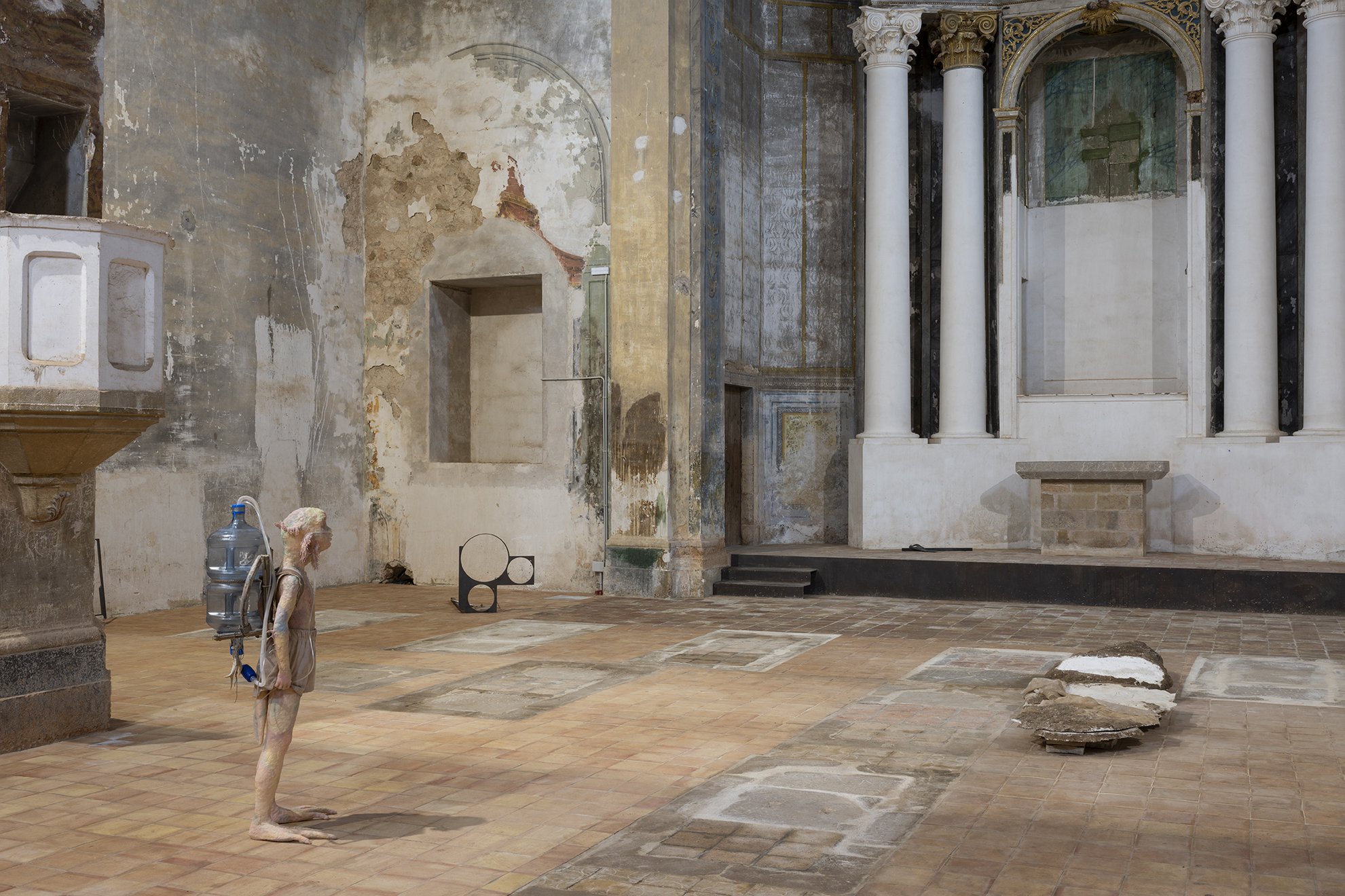
Installation view. Kin Too. Spiritvessel @ Sant Feliu de Lladó. Image by Roberto Ruiz. Courtesy of the artists and Spiritvessel.
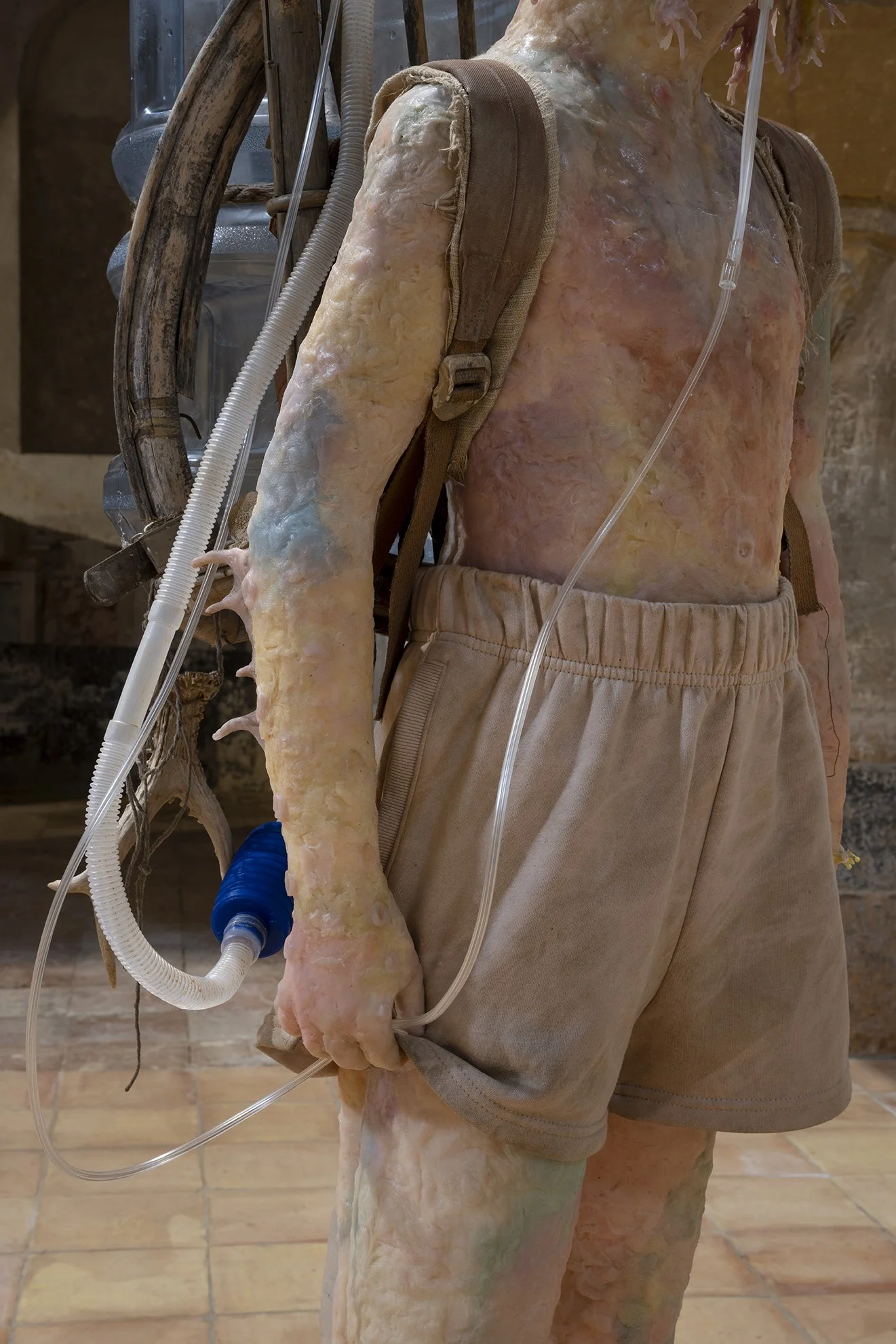
Detail. Michele Gabriele. July 2nd, 2026. Silicone, resin, acrylic colors, fabric, plastic, metal, and found objects. 155 cm x 80 cm x 60 cm. Image by Roberto Ruiz. Courtesy of the artists and Spiritvessel.
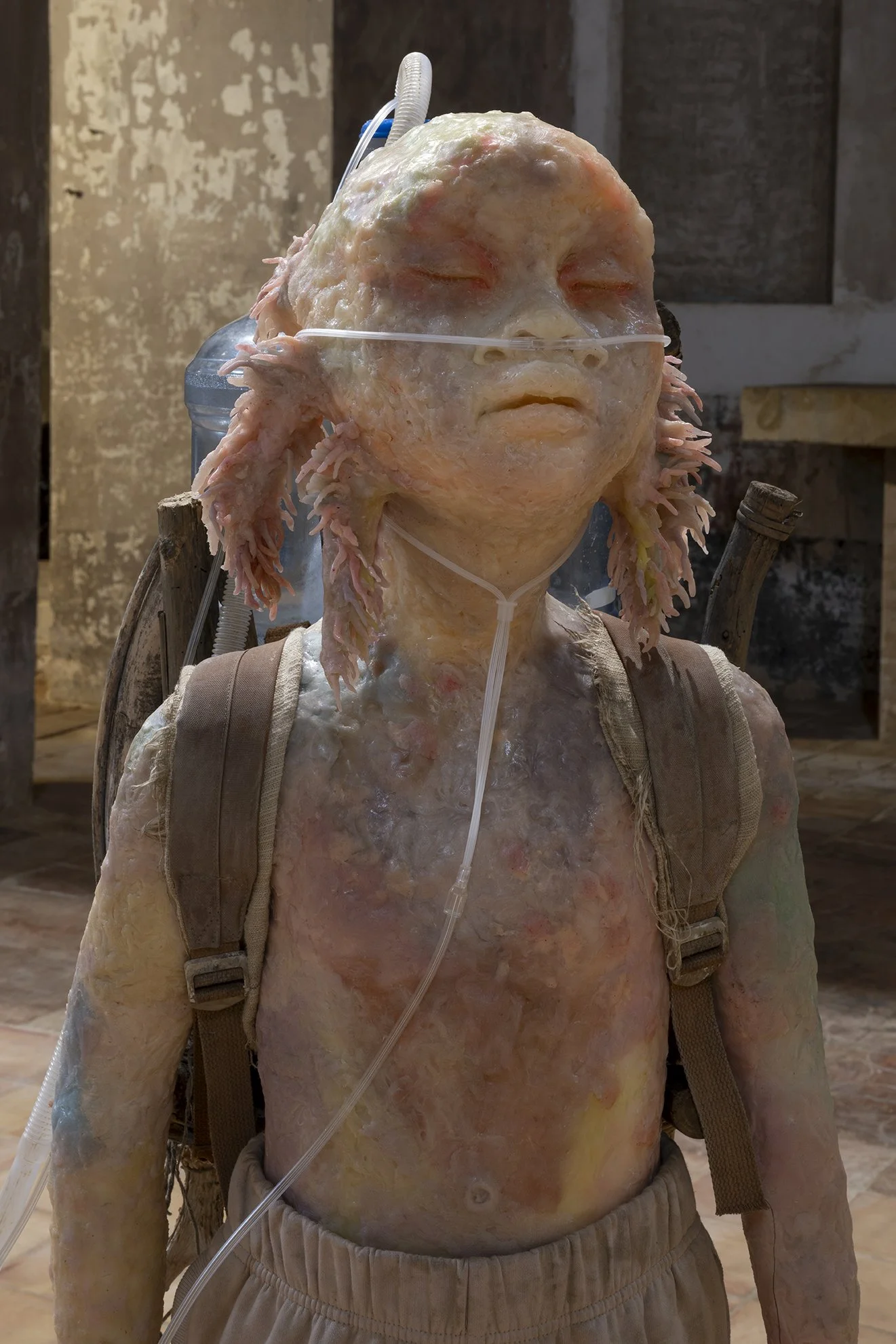
Detail. Michele Gabriele. July 2nd, 2026. Silicone, resin, acrylic colors, fabric, plastic, metal, and found objects. 155 cm x 80 cm x 60 cm. Image by Roberto Ruiz. Courtesy of the artists and Spiritvessel.
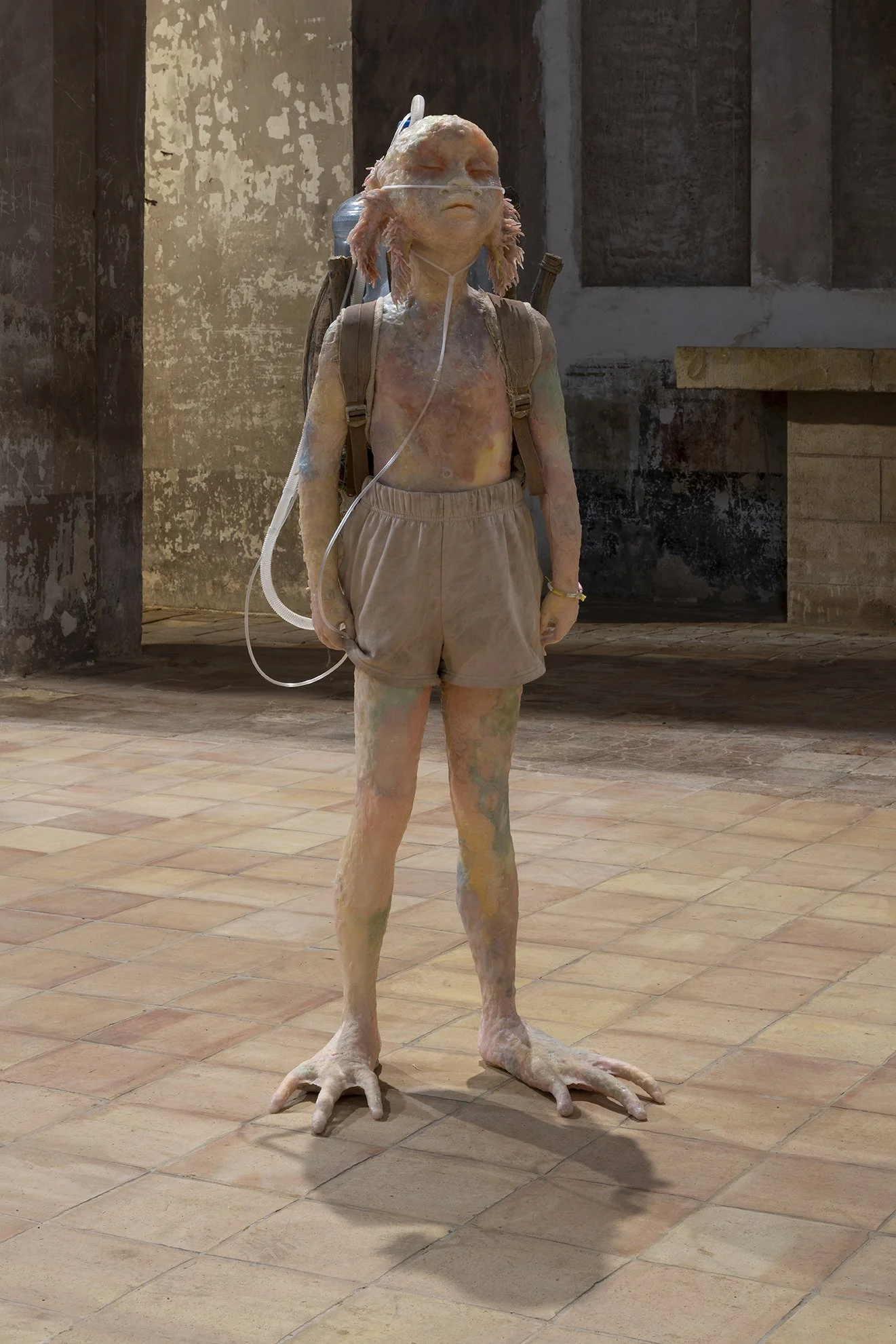
Michele Gabriele. July 2nd, 2026. Silicone, resin, acrylic colors, fabric, plastic, metal, and found objects. 155 cm x 80 cm x 60 cm. Image by Roberto Ruiz. Courtesy of the artists and Spiritvessel.
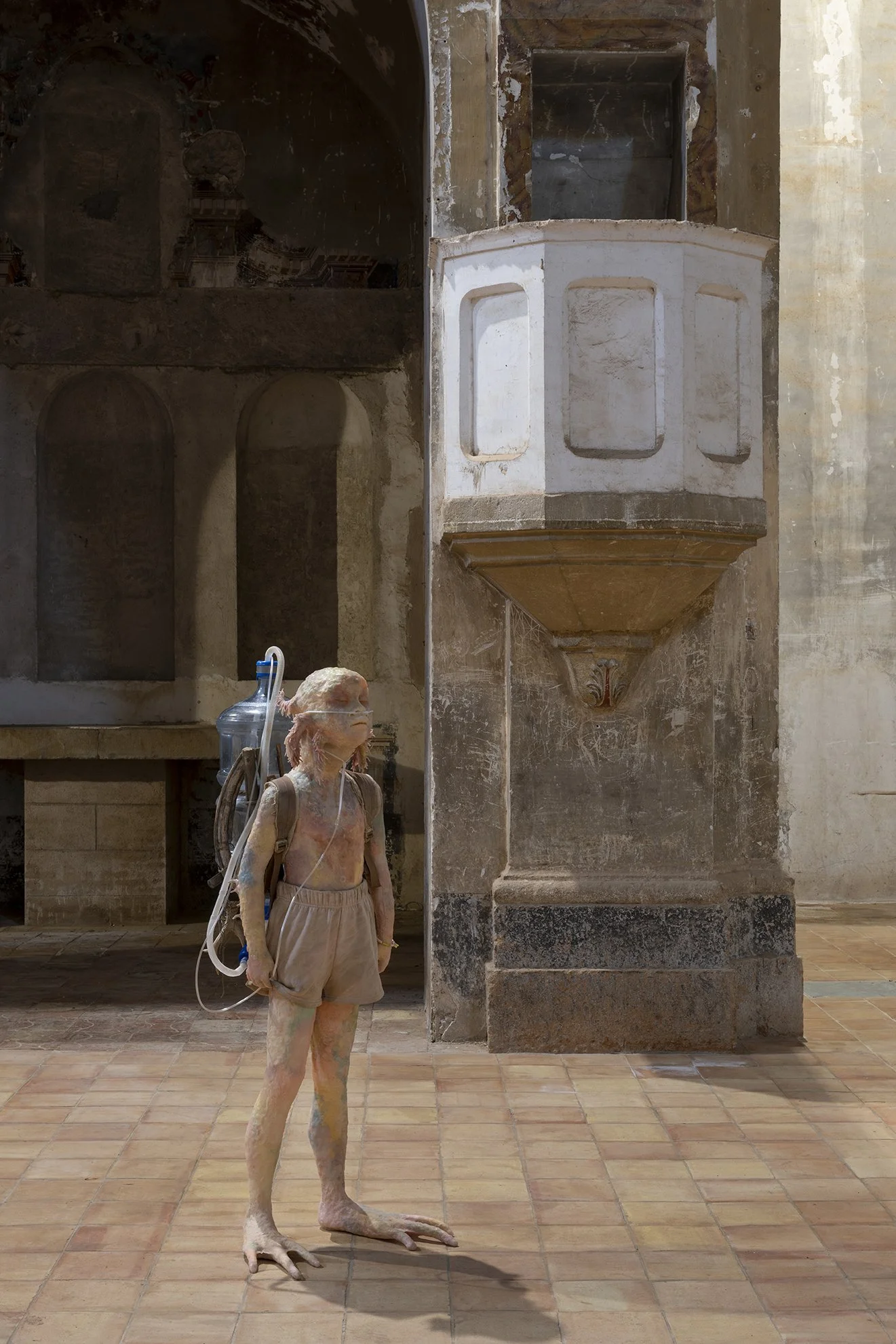
Michele Gabriele. July 2nd, 2026. Silicone, resin, acrylic colors, fabric, plastic, metal, and found objects. 155 cm x 80 cm x 60 cm. Image by Roberto Ruiz. Courtesy of the artists and Spiritvessel.
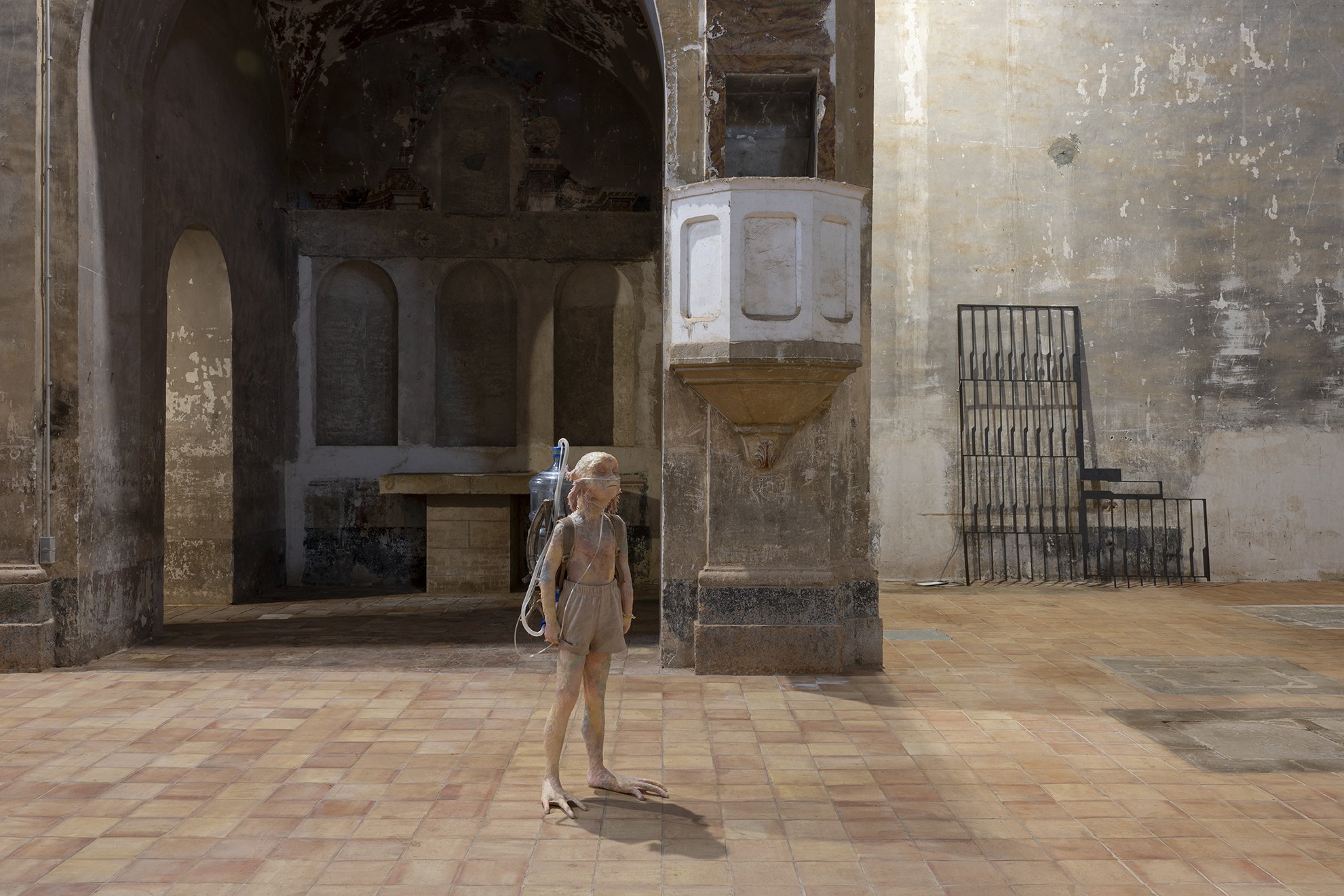
Michele Gabriele. July 2nd, 2026. Silicone, resin, acrylic colors, fabric, plastic, metal, and found objects. 155 cm x 80 cm x 60 cm. (Left). Jordi Mitjà. Negatiu reconsiderat #2, 2026. Steel, iron and paper. 250 x 293 x 10 cm. (Right). Image by Roberto Ruiz. Courtesy of the artists and Spiritvessel.
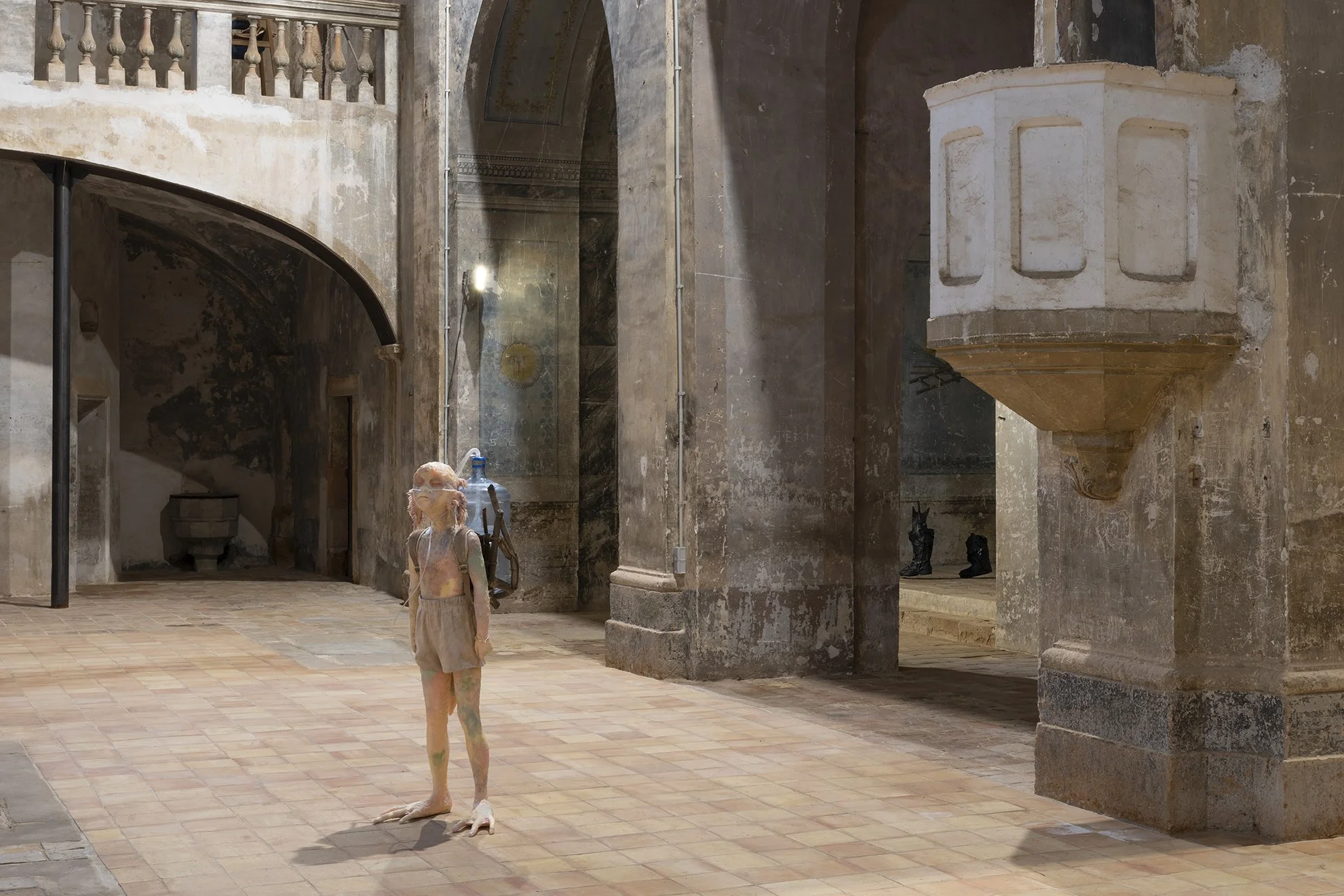
Michele Gabriele. July 2nd, 2026. Silicone, resin, acrylic colors, fabric, plastic, metal, and found objects. 155 cm x 80 cm x 60 cm. (Left). Sahatsa Jauregi. Pájaros, 2026. Plastic, rubber boots and cut steel. Variable Dimensions. Image by Roberto Ruiz. Courtesy of the artists and Spiritvessel.
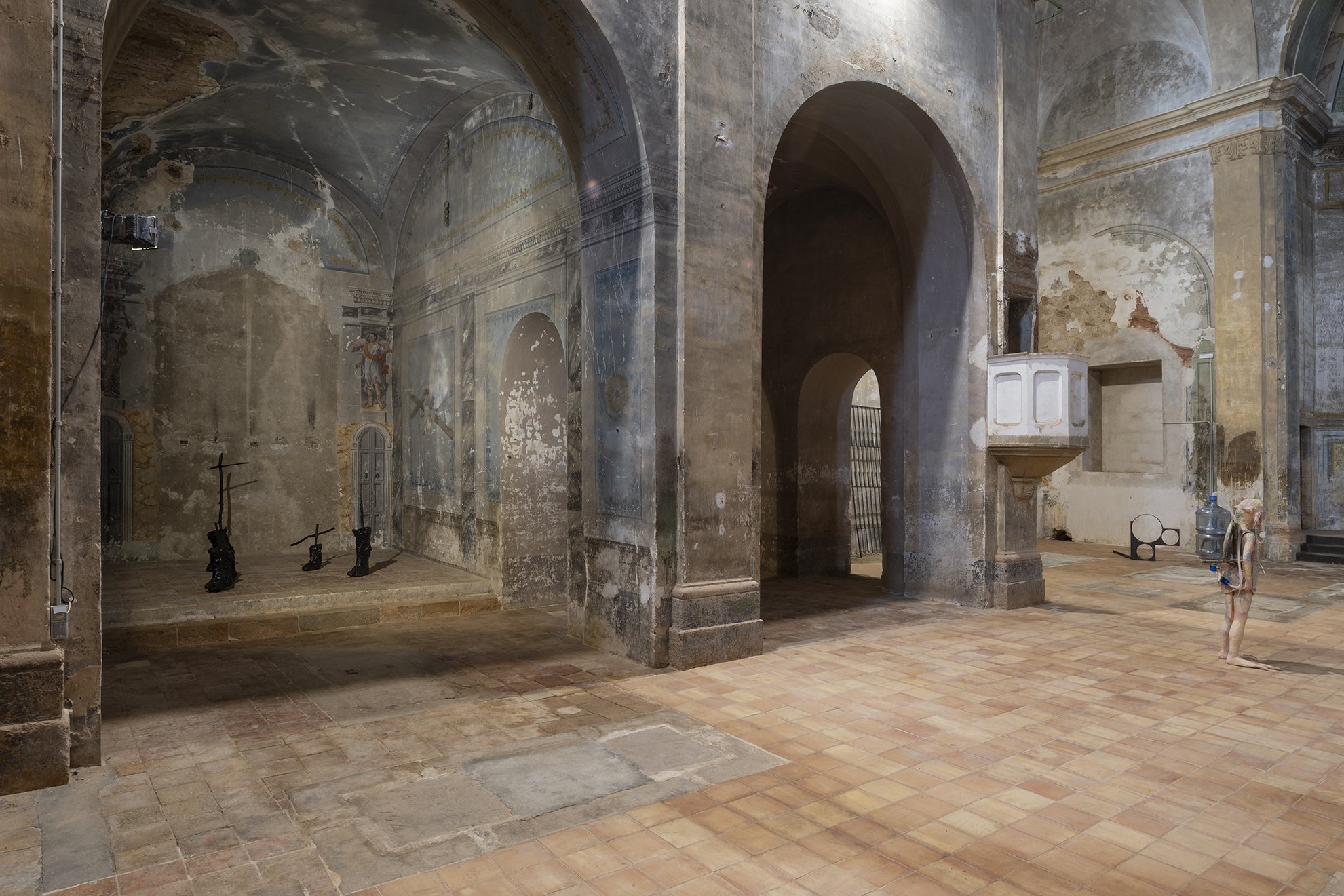
Installation view. Kin Too. Spiritvessel @ Sant Feliu de Lladó. Image by Roberto Ruiz. Courtesy of the artists and Spiritvessel.
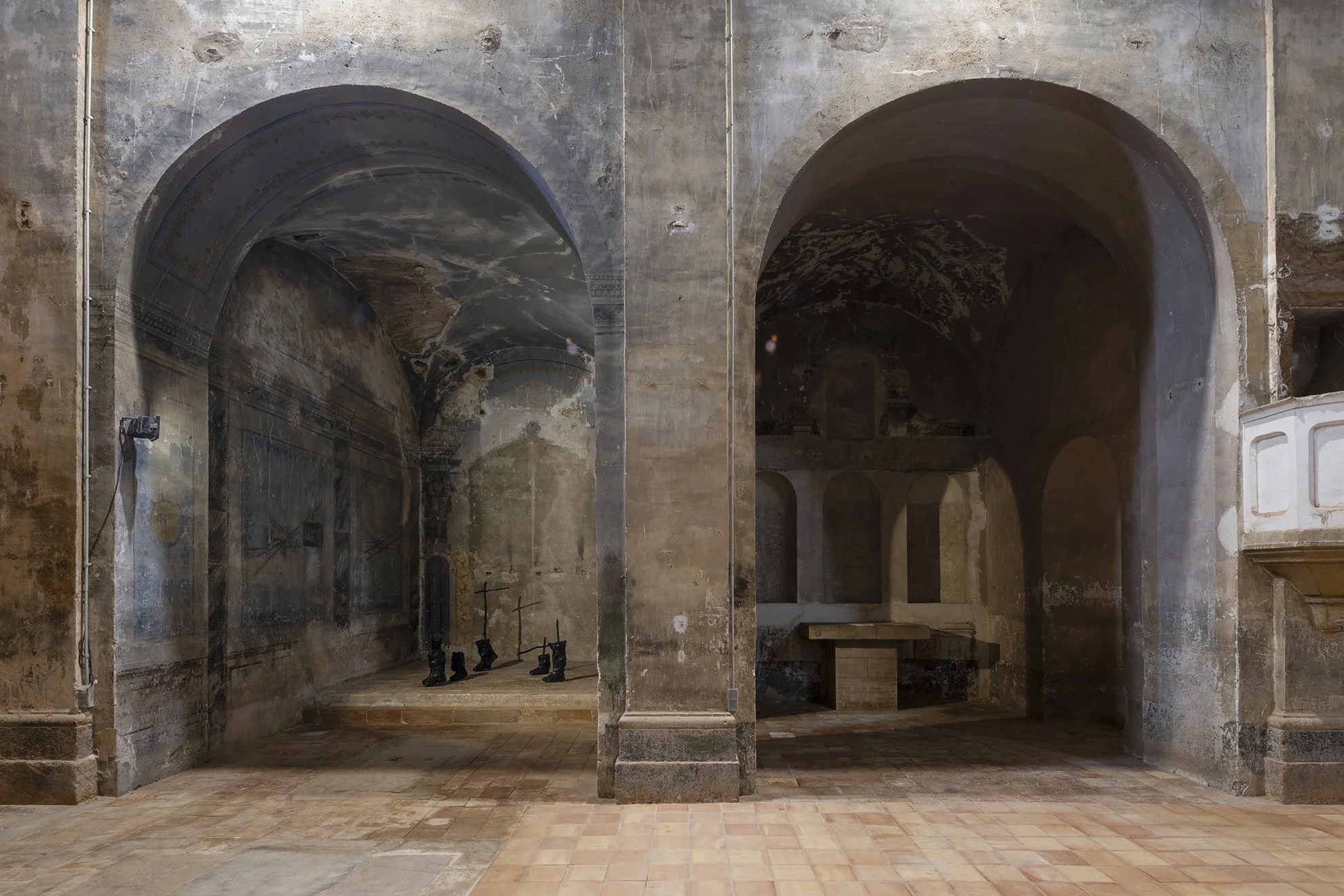
Sahatsa Jauregi. Pájaros, 2026. Plastic, rubber boots and cut steel. Variable Dimensions. Image by Roberto Ruiz. Courtesy of the artist and Spiritvessel.
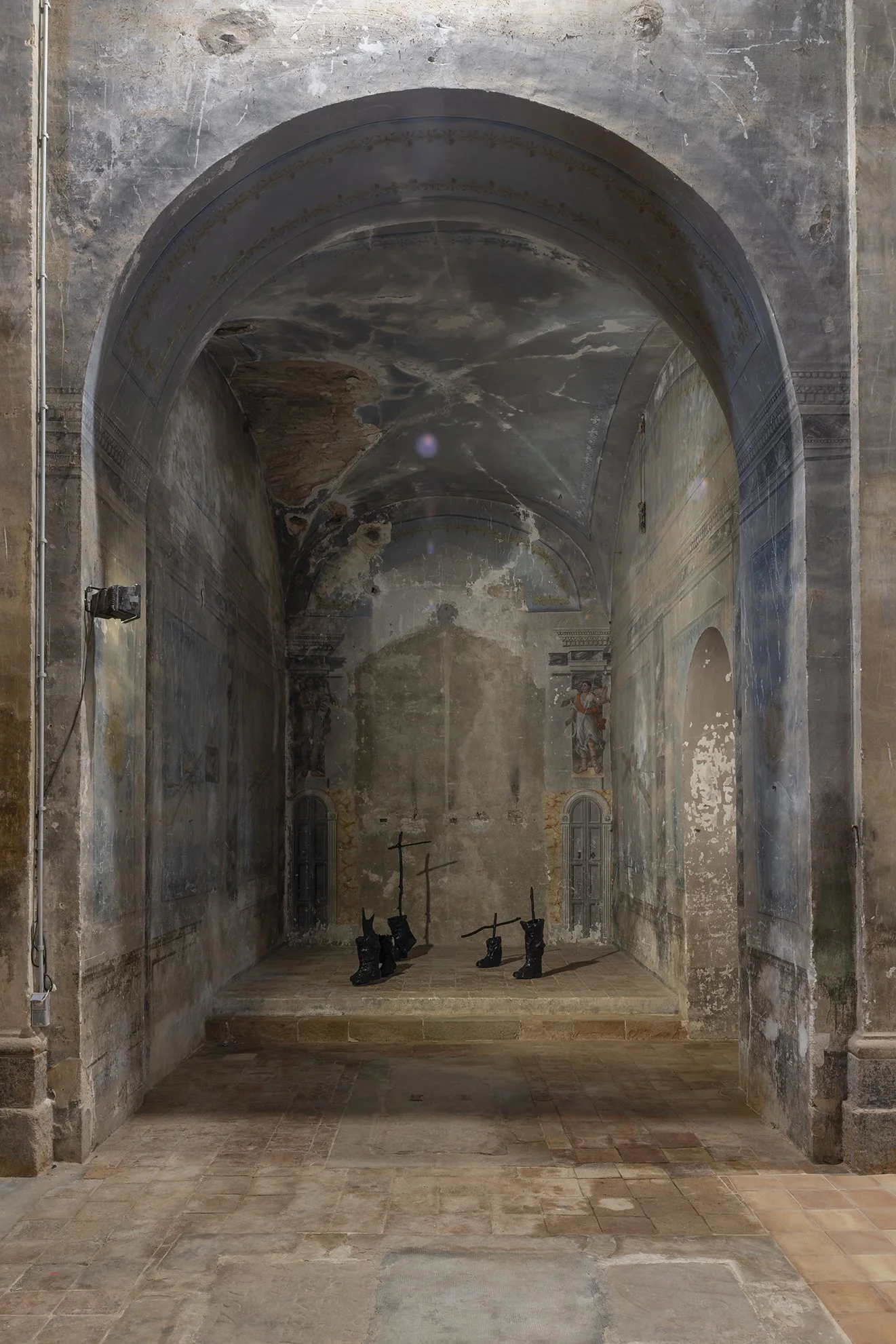
Sahatsa Jauregi. Pájaros, 2026. Plastic, rubber boots and cut steel. Variable Dimensions. Image by Roberto Ruiz. Courtesy of the artist and Spiritvessel.
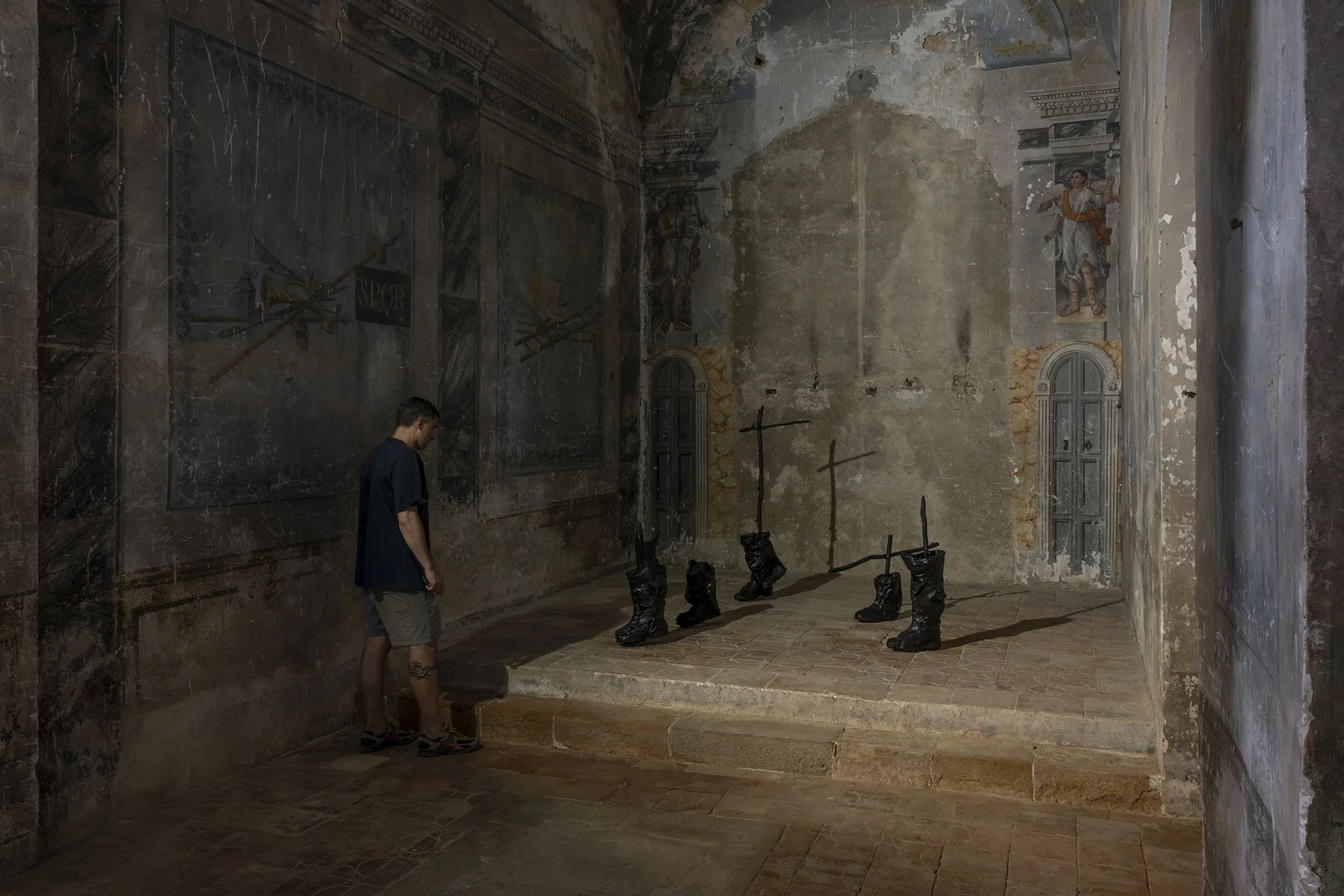
Sahatsa Jauregi. Pájaros, 2026. Plastic, rubber boots and cut steel. Variable Dimensions. Image by Roberto Ruiz. Courtesy of the artist and Spiritvessel.
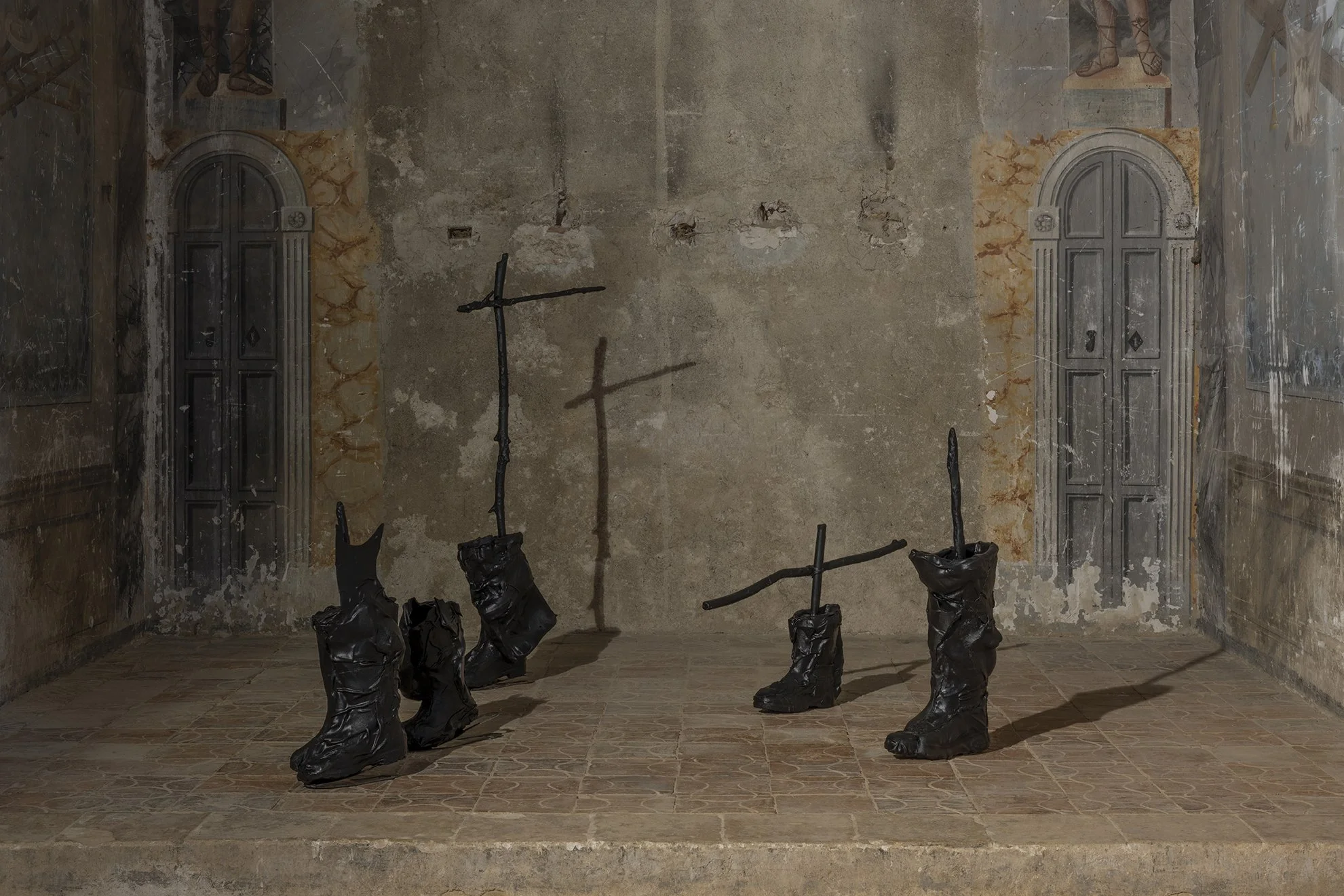
Sahatsa Jauregi. Pájaros, 2026. Plastic, rubber boots and cut steel. Variable Dimensions. Image by Roberto Ruiz. Courtesy of the artist and Spiritvessel.
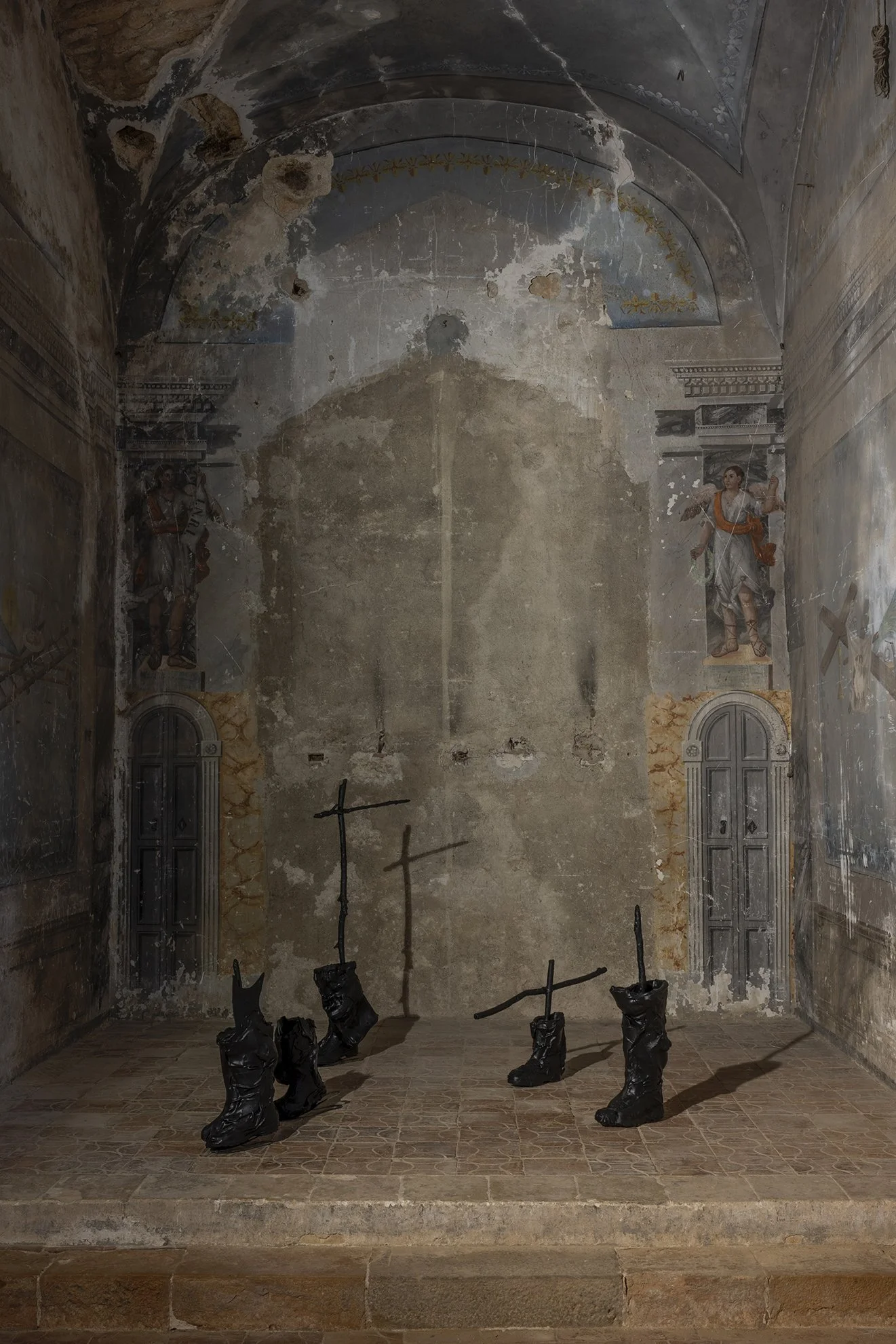
Sahatsa Jauregi. Pájaros, 2026. Plastic, rubber boots and cut steel. Variable Dimensions. Image by Roberto Ruiz. Courtesy of the artist and Spiritvessel.
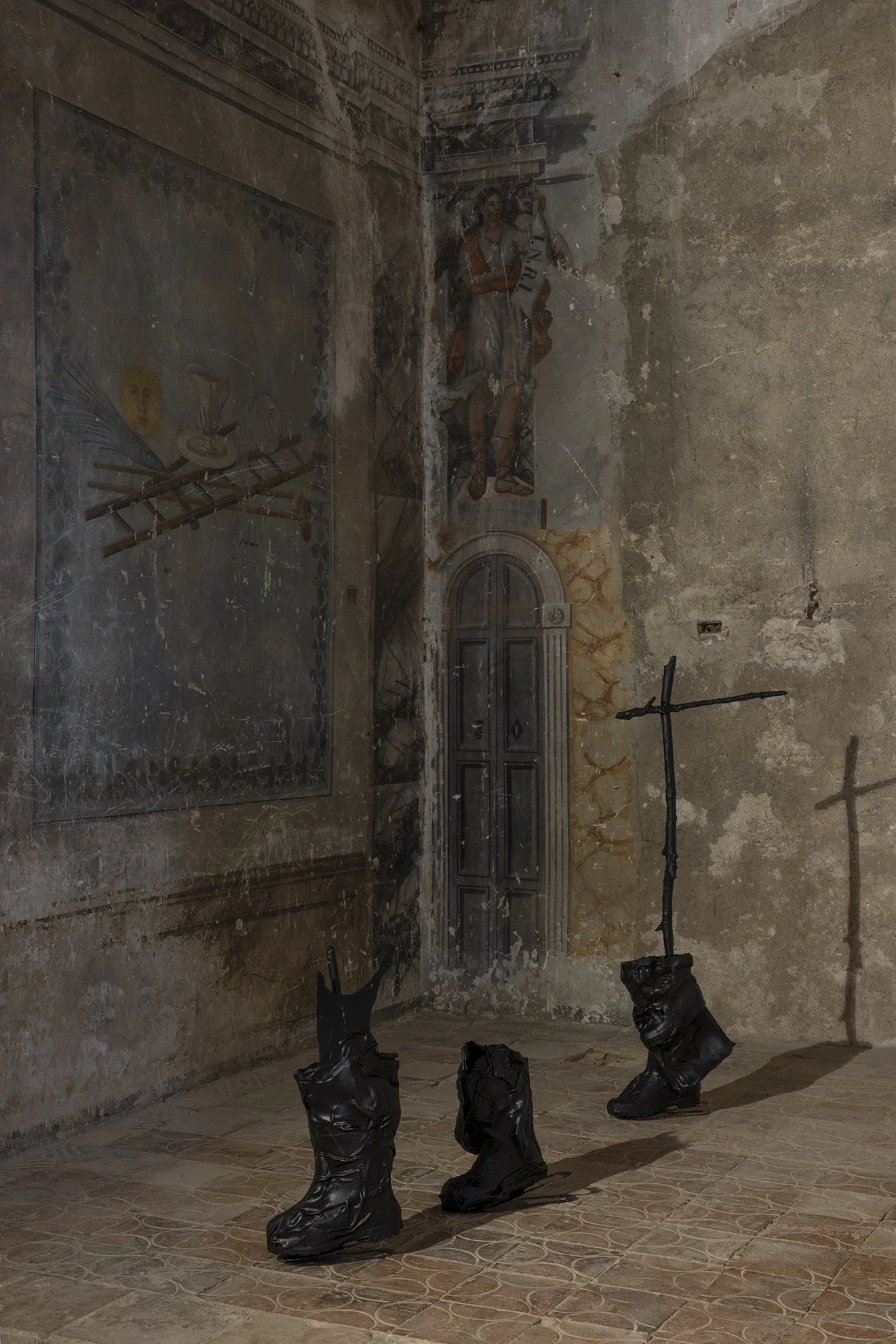
Detail. Sahatsa Jauregi. Pájaros, 2026. Plastic, rubber boots and cut steel. Variable Dimensions. Image by Roberto Ruiz. Courtesy of the artist and Spiritvessel.
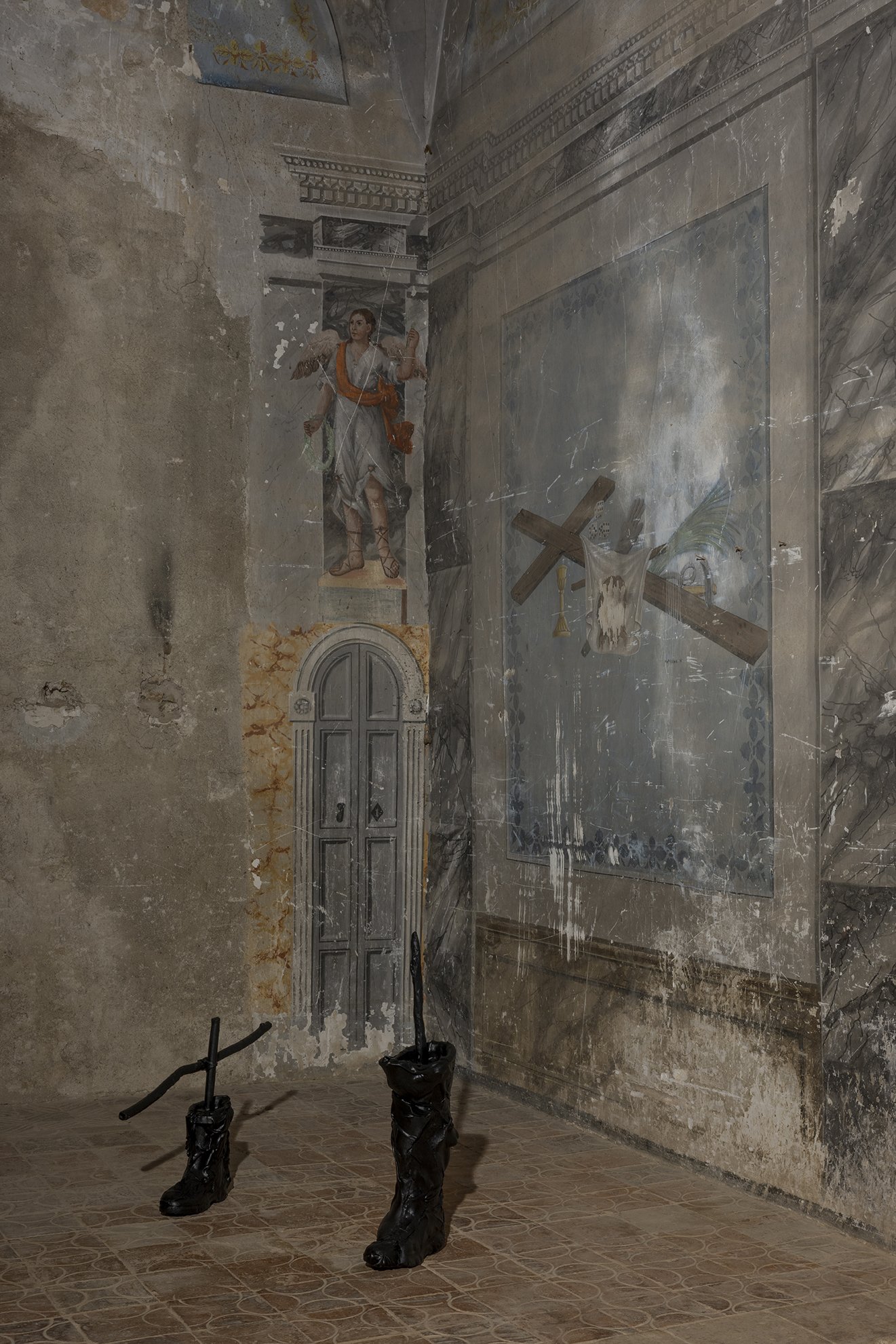
Detail. Sahatsa Jauregi. Pájaros, 2026. Plastic, rubber boots and cut steel. Variable Dimensions. Image by Roberto Ruiz. Courtesy of the artist and Spiritvessel.
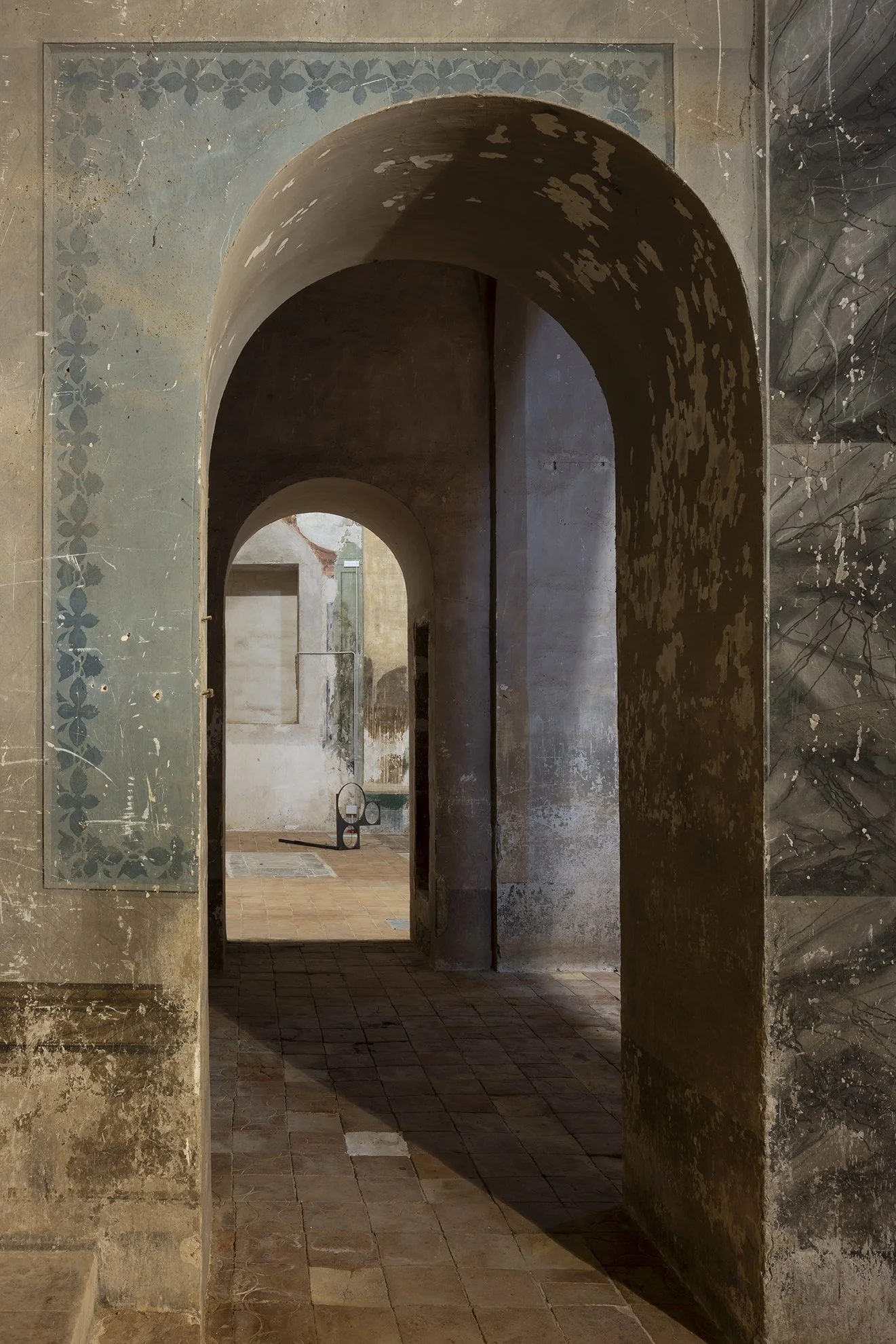
Jordi Mitjà. Negatiu reconsiderat #1, 2026. Steel, iron and paper. 90 x 87 x 140 cm. Image by Roberto Ruiz. Courtesy of the artist and Spiritvessel.
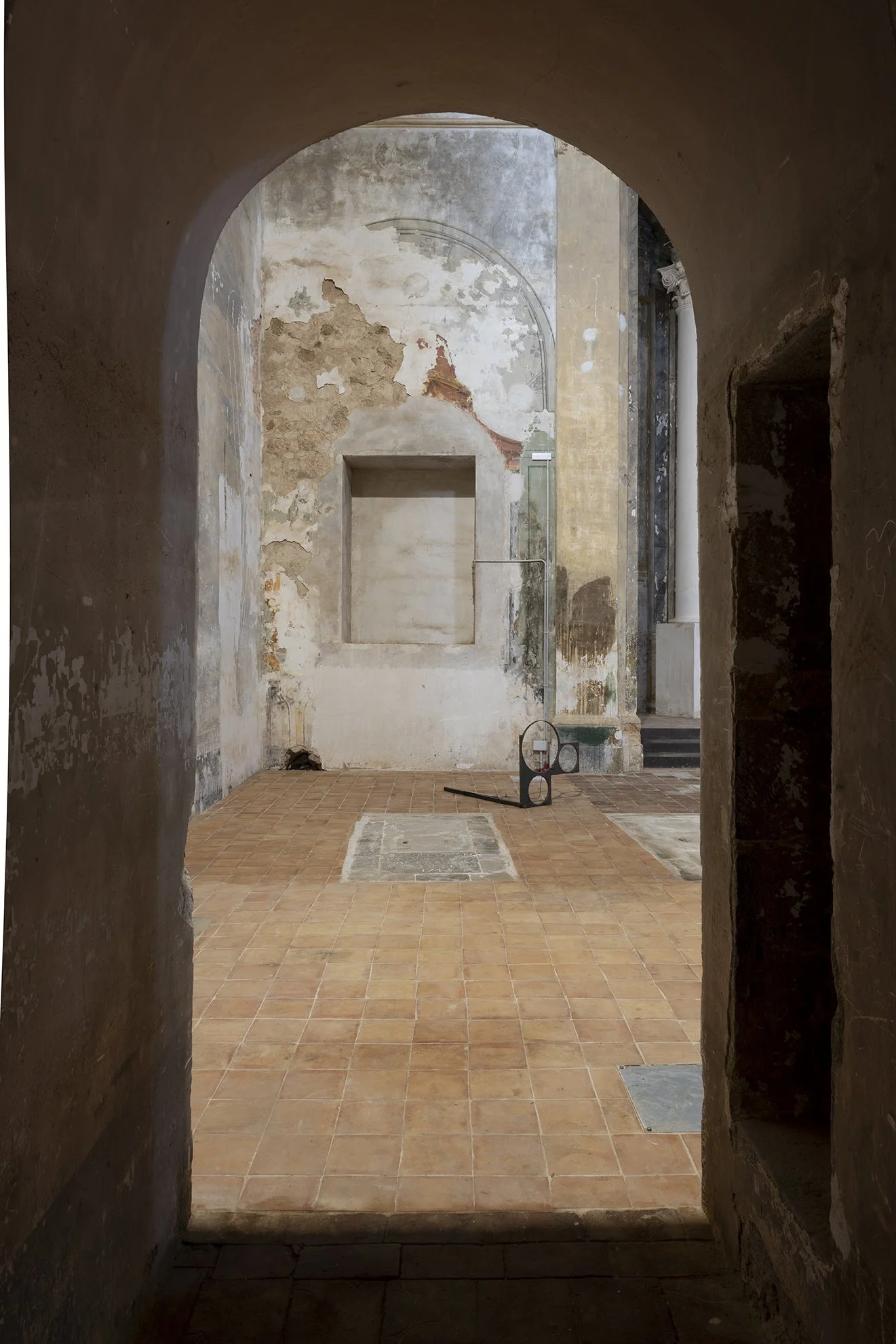
Jordi Mitjà. Negatiu reconsiderat #1, 2026. Steel, iron and paper. 90 x 87 x 140 cm. Image by Roberto Ruiz. Courtesy of the artist and Spiritvessel.
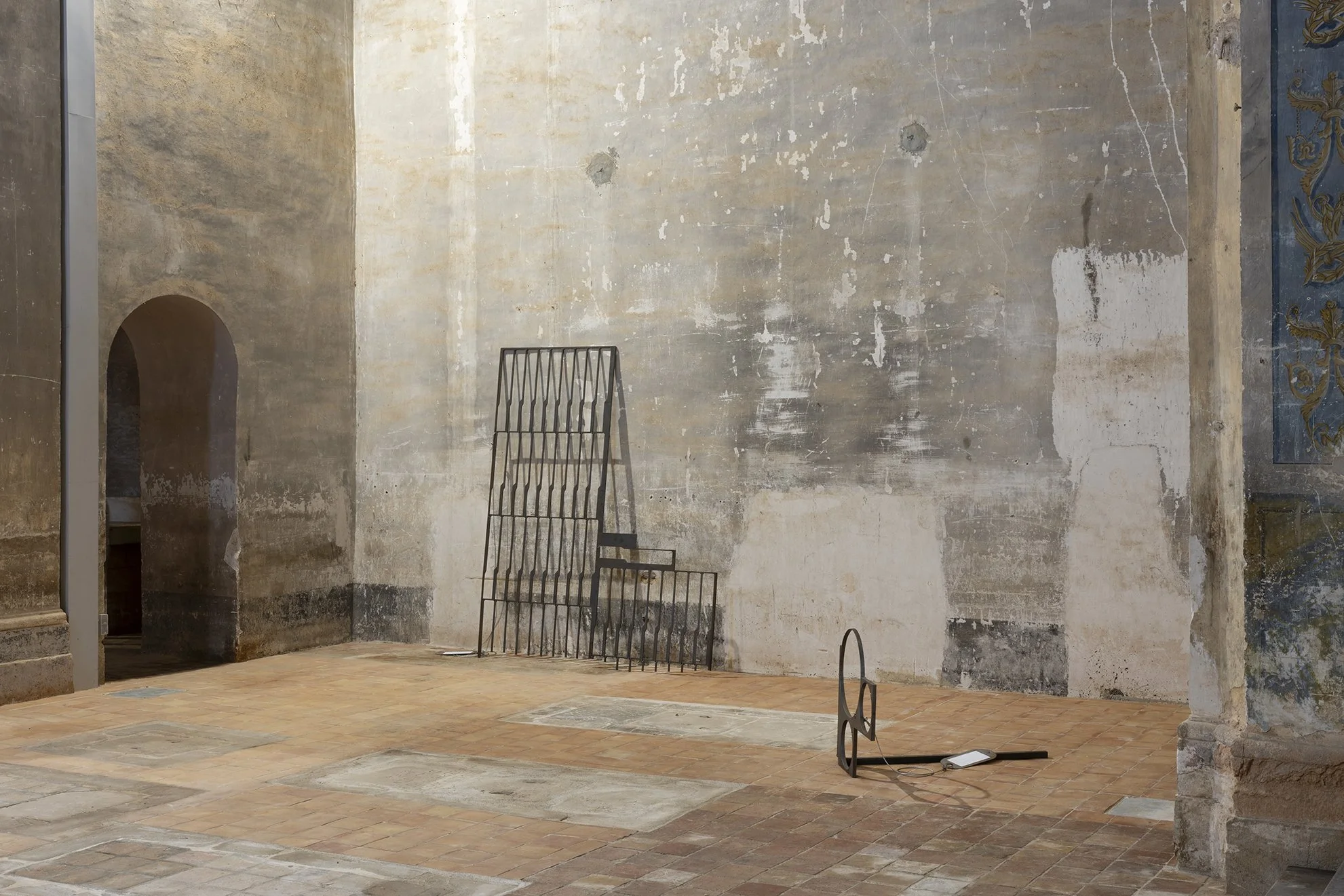
Jordi Mitjà. Negatiu reconsiderat #2, 2026. Steel, iron and paper. 250 x 293 x 10 cm. (Left). Negatiu reconsiderat #1, 2026. Steel, iron and paper. 90 x 87 x 140 cm. (Right). Image by Roberto Ruiz. Courtesy of the artist and Spiritvessel.
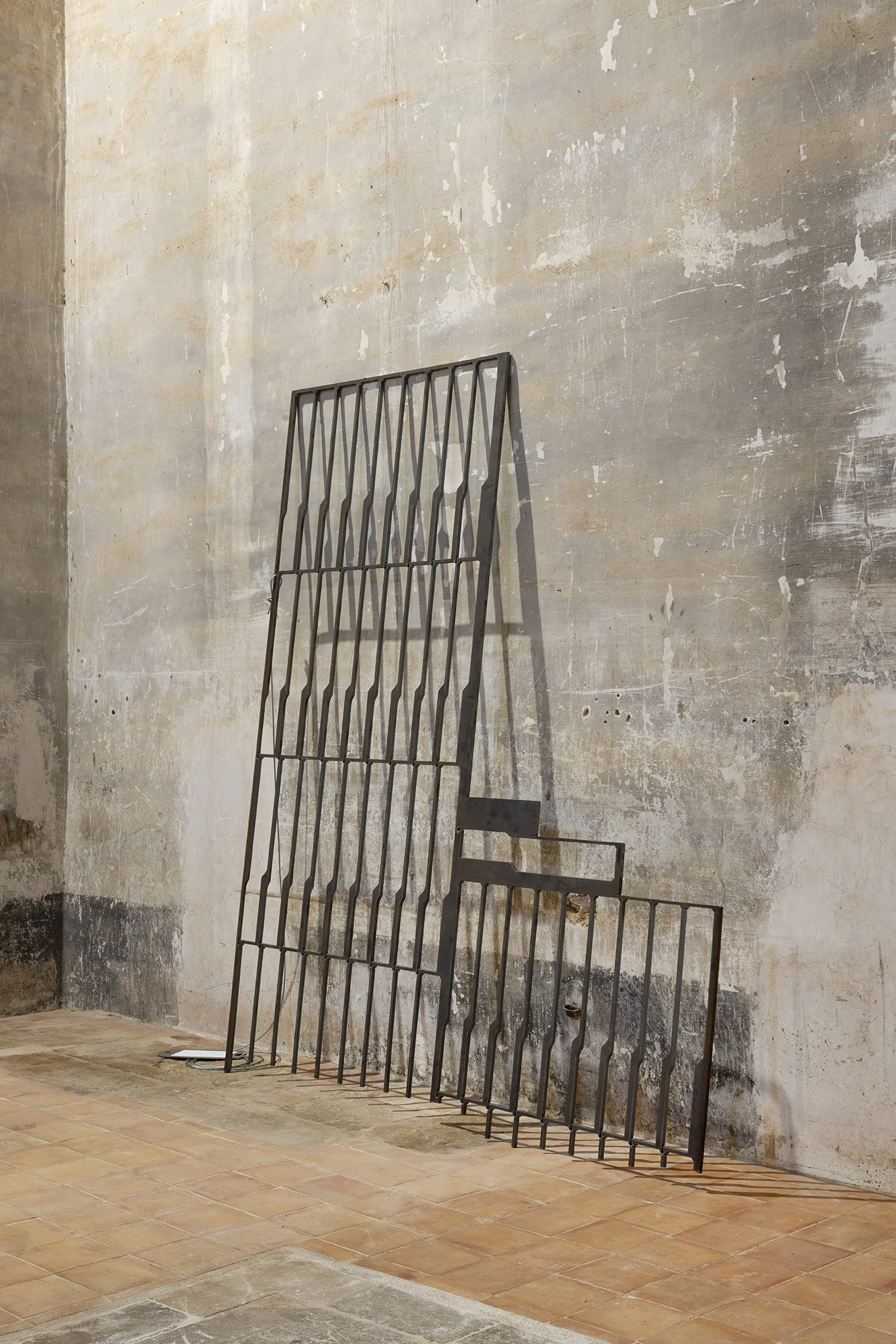
Jordi Mitjà. Negatiu reconsiderat #2, 2026. Steel, iron and paper. 250 x 293 x 10 cm. Image by Roberto Ruiz. Courtesy of the artist and Spiritvessel.
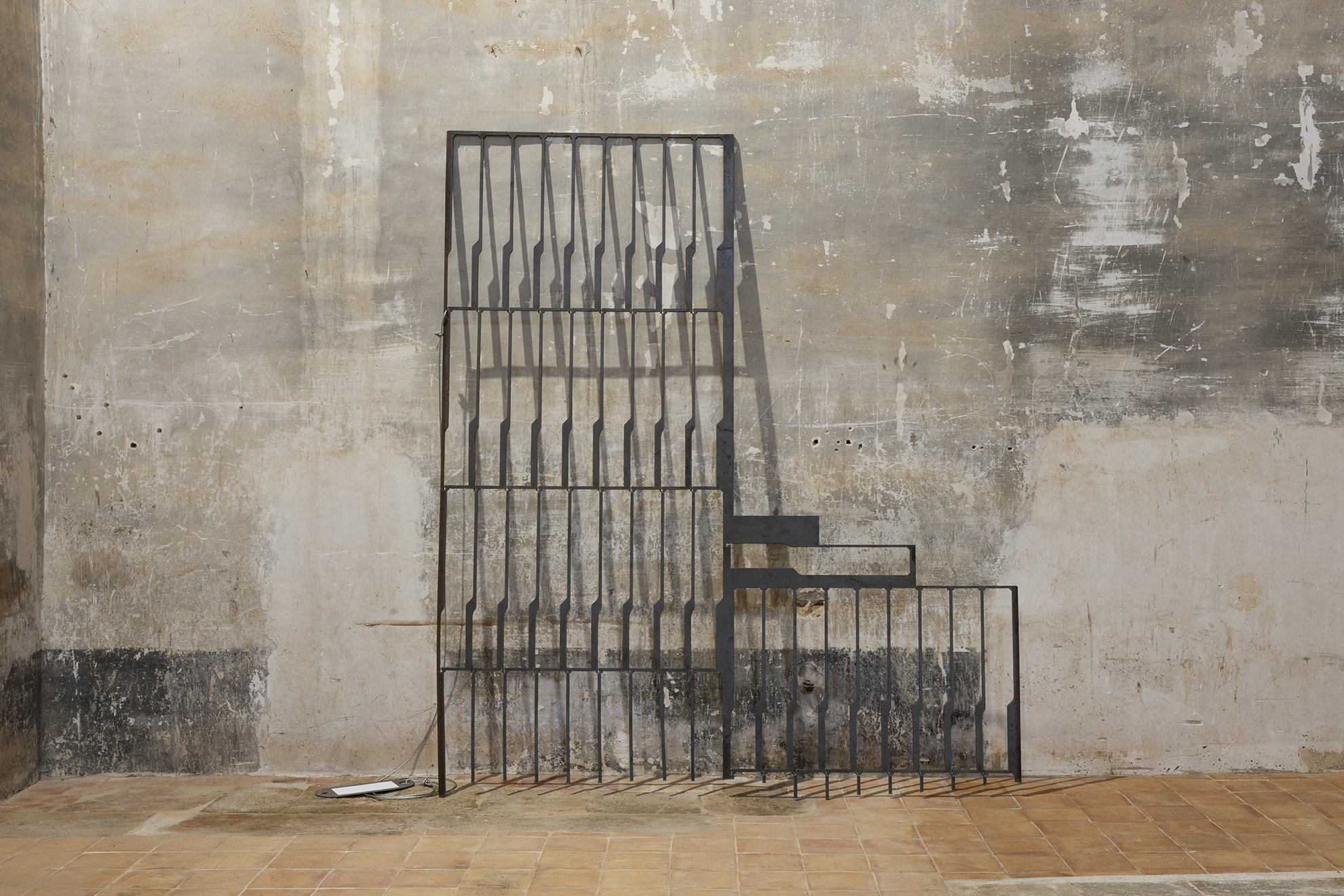
Jordi Mitjà. Negatiu reconsiderat #2, 2026. Steel, iron and paper. 250 x 293 x 10 cm. Image by Roberto Ruiz. Courtesy of the artist and Spiritvessel.
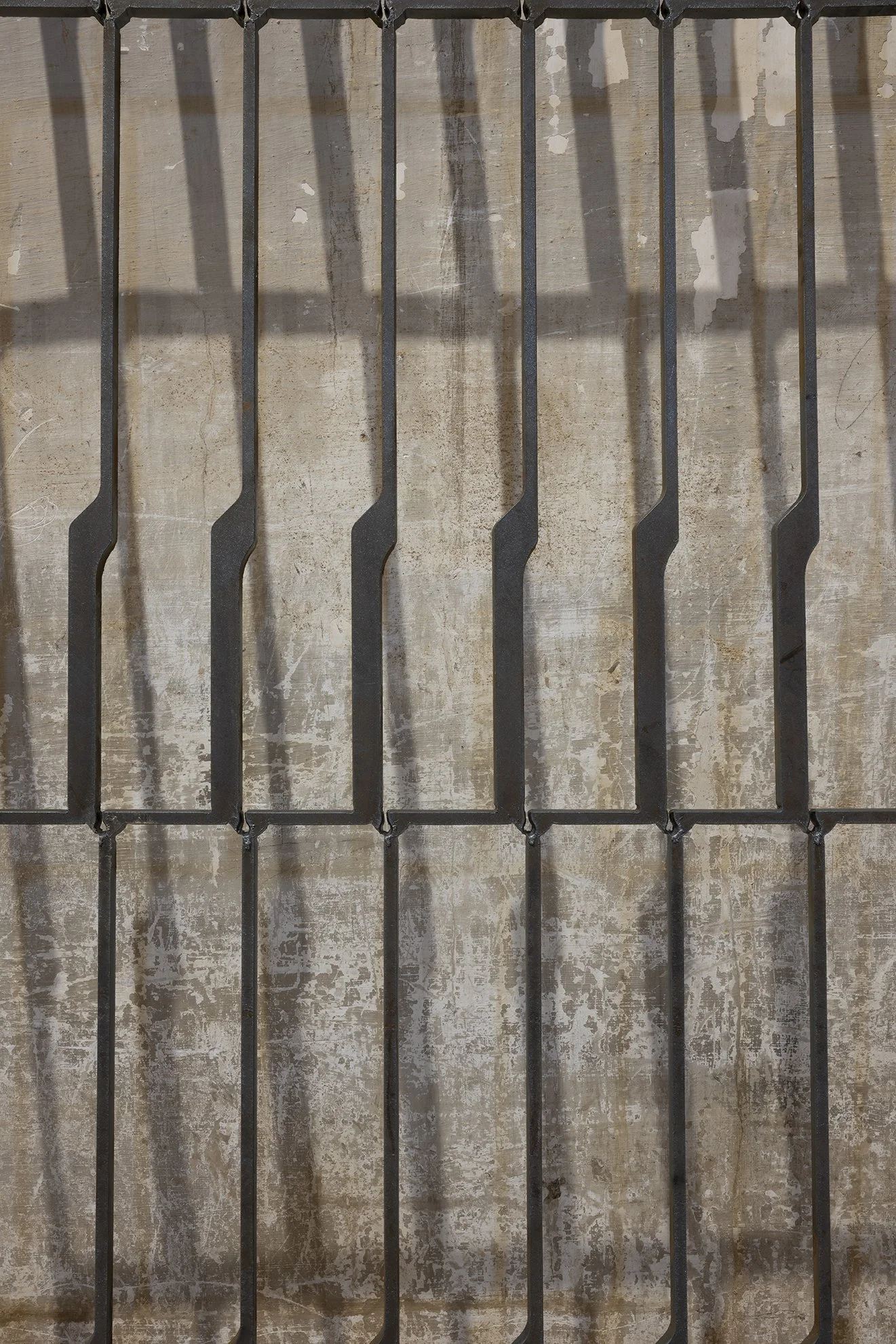
Detail. Jordi Mitjà. Negatiu reconsiderat #2, 2026. Steel, iron and paper. 250 x 293 x 10 cm. Image by Roberto Ruiz. Courtesy of the artist and Spiritvessel.
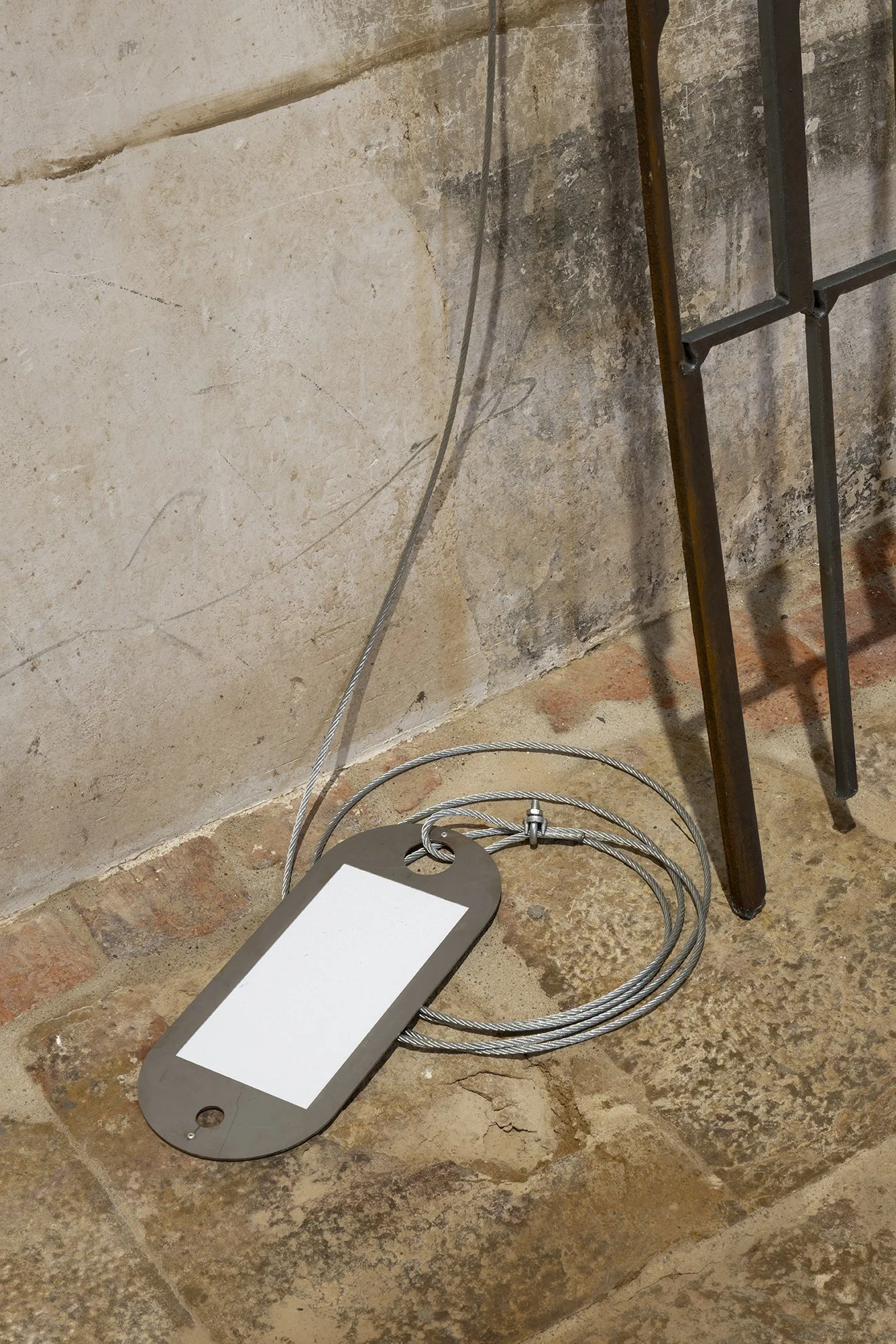
Detail. Jordi Mitjà. Negatiu reconsiderat #2, 2026. Steel, iron and paper. 250 x 293 x 10 cm. Image by Roberto Ruiz. Courtesy of the artist and Spiritvessel.
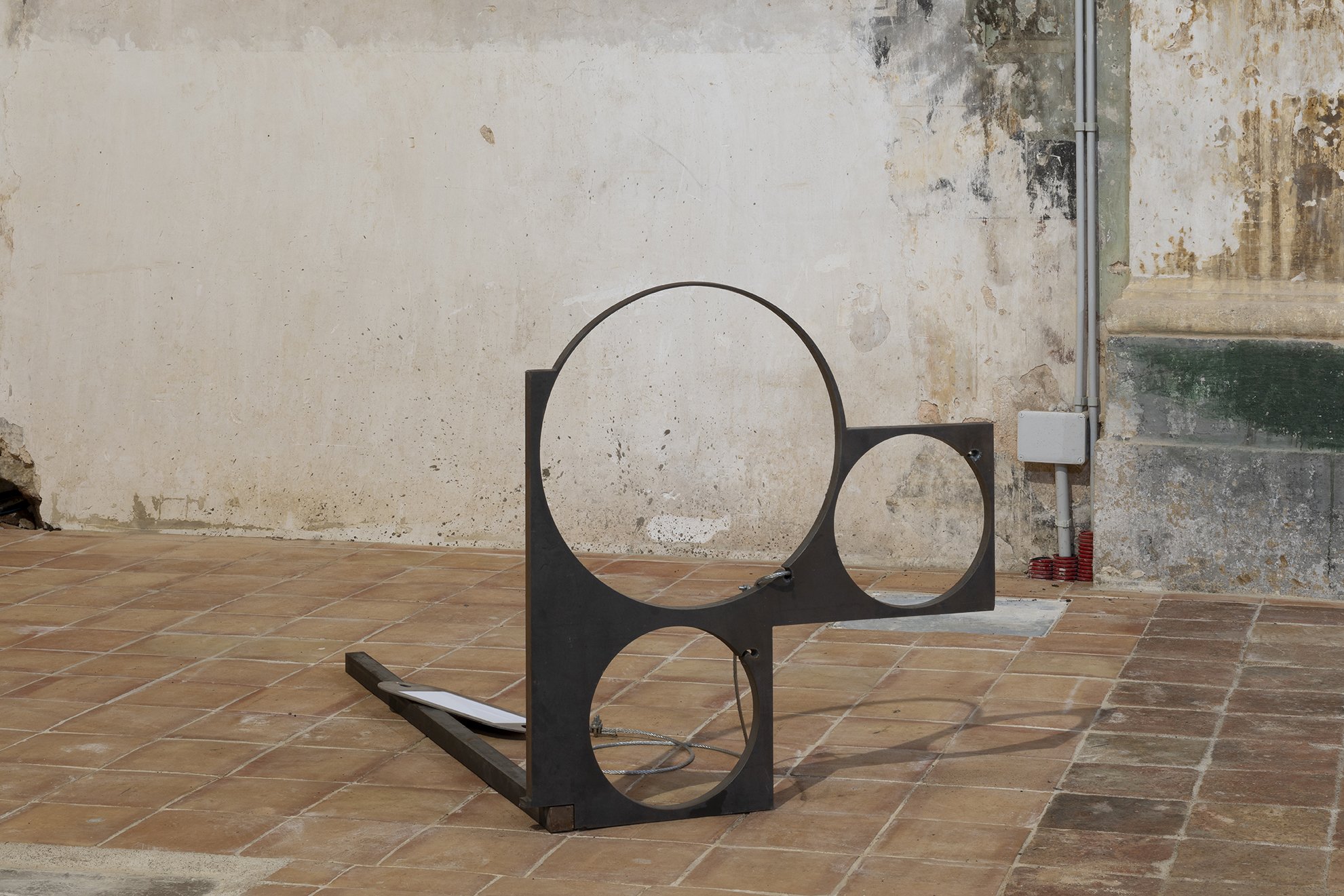
Jordi Mitjà. Negatiu reconsiderat #1, 2026. Steel, iron and paper. 90 x 87 x 140 cm. Image by Roberto Ruiz. Courtesy of the artist and Spiritvessel.
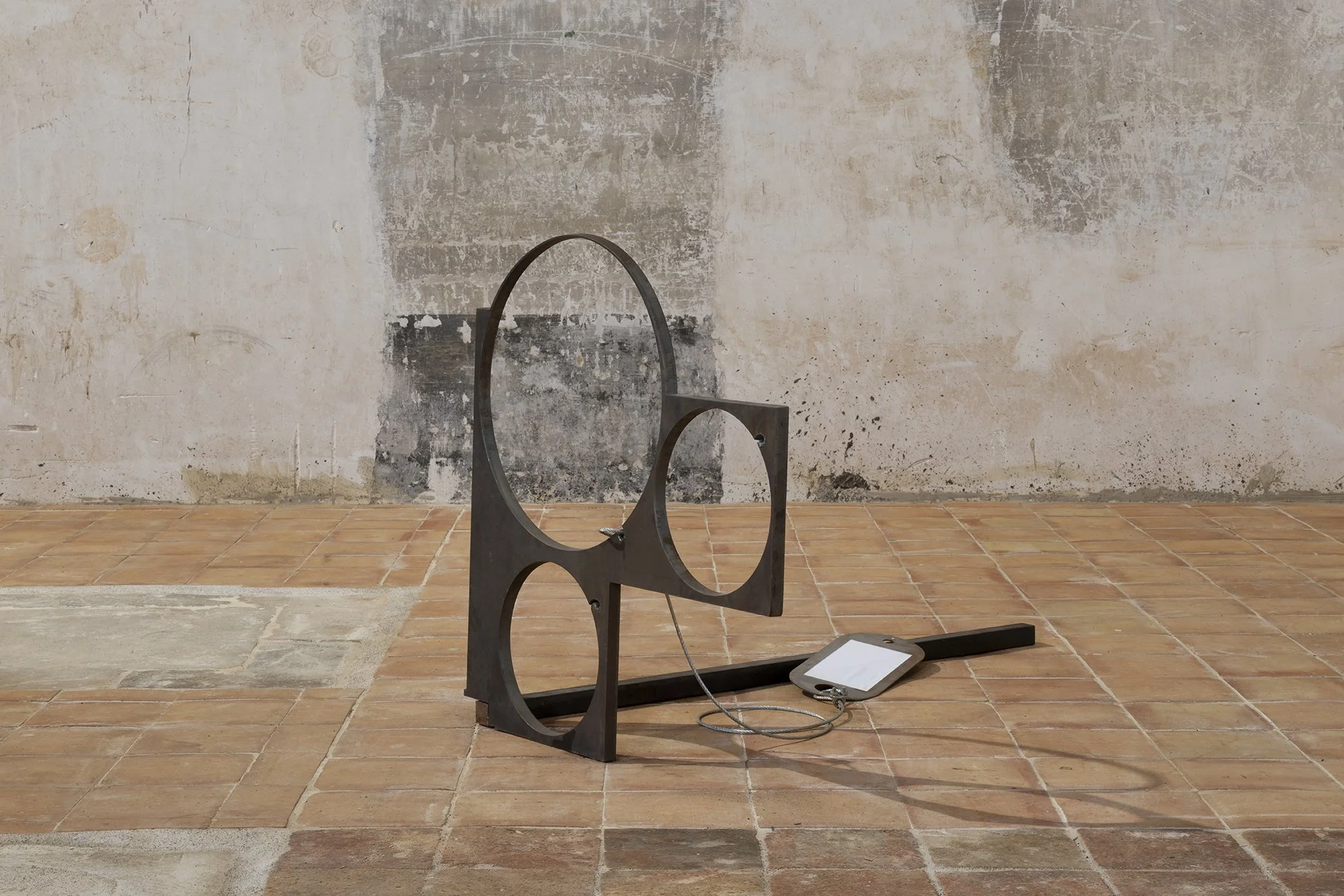
Jordi Mitjà. Negatiu reconsiderat #1, 2026. Steel, iron and paper. 90 x 87 x 140 cm. Image by Roberto Ruiz. Courtesy of the artist and Spiritvessel.
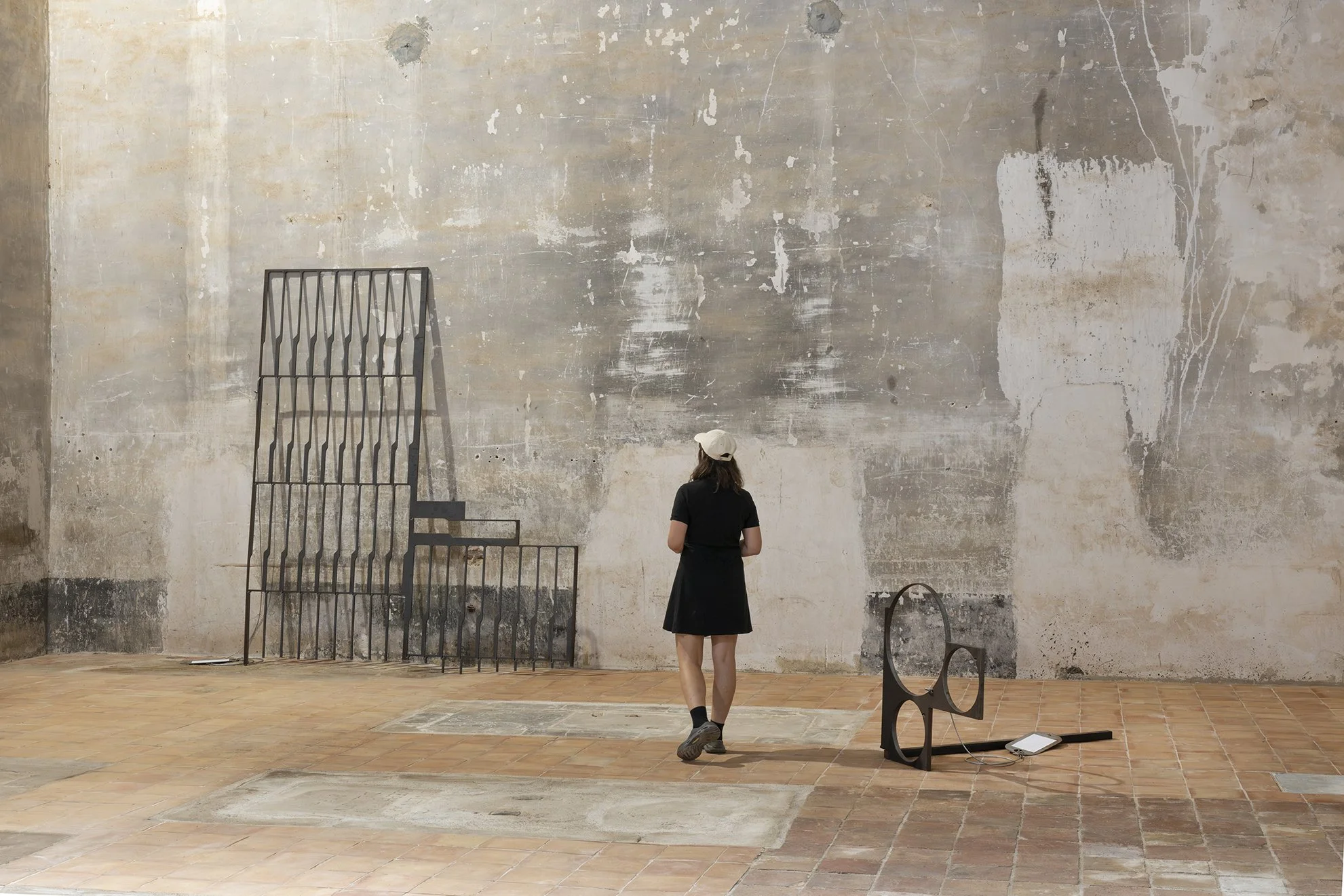
Jordi Mitjà. Negatiu reconsiderat #2, 2026. Steel, iron and paper. 250 x 293 x 10 cm. (Left). Negatiu reconsiderat #1, 2026. Steel, iron and paper. 90 x 87 x 140 cm. (Right). Image by Roberto Ruiz. Courtesy of the artist and Spiritvessel.
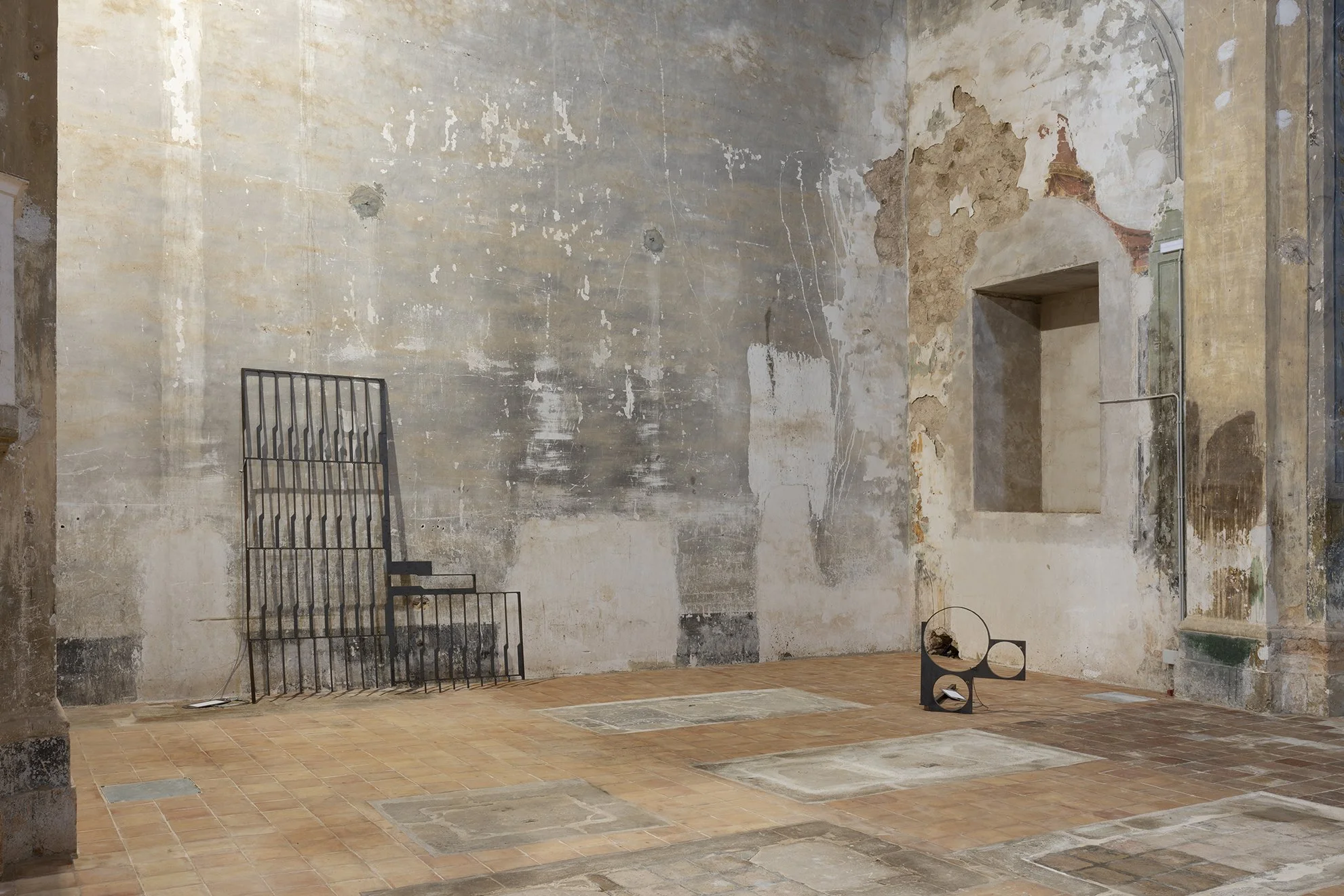
Jordi Mitjà. Negatiu reconsiderat #2, 2026. Steel, iron and paper. 250 x 293 x 10 cm. (Left). Negatiu reconsiderat #1, 2026. Steel, iron and paper. 90 x 87 x 140 cm. (Right). Image by Roberto Ruiz. Courtesy of the artist and Spiritvessel.
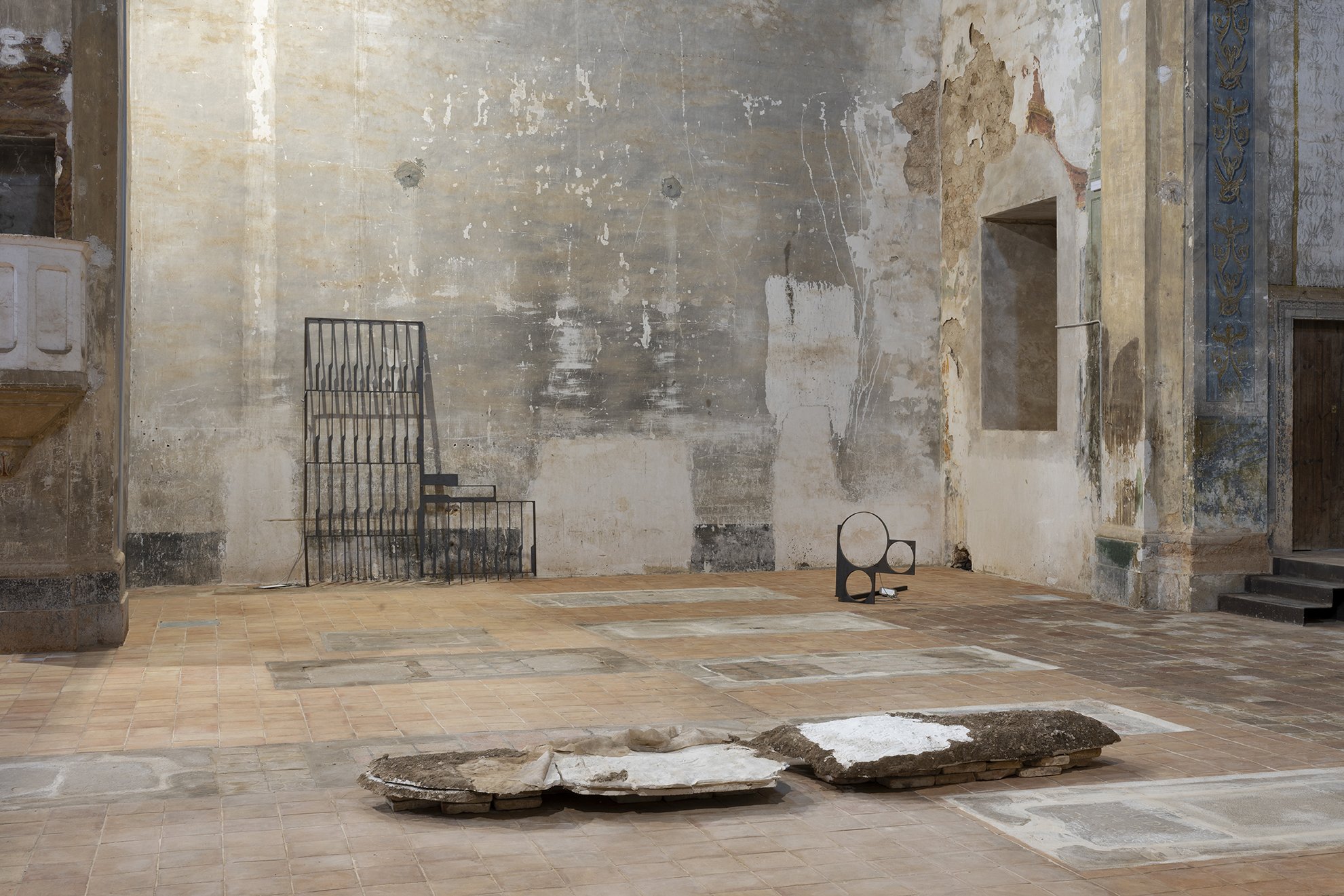
Installation view. Kin Too. Spiritvessel @ Sant Feliu de Lladó. Image by Roberto Ruiz. Courtesy of the artists and Spiritvessel.
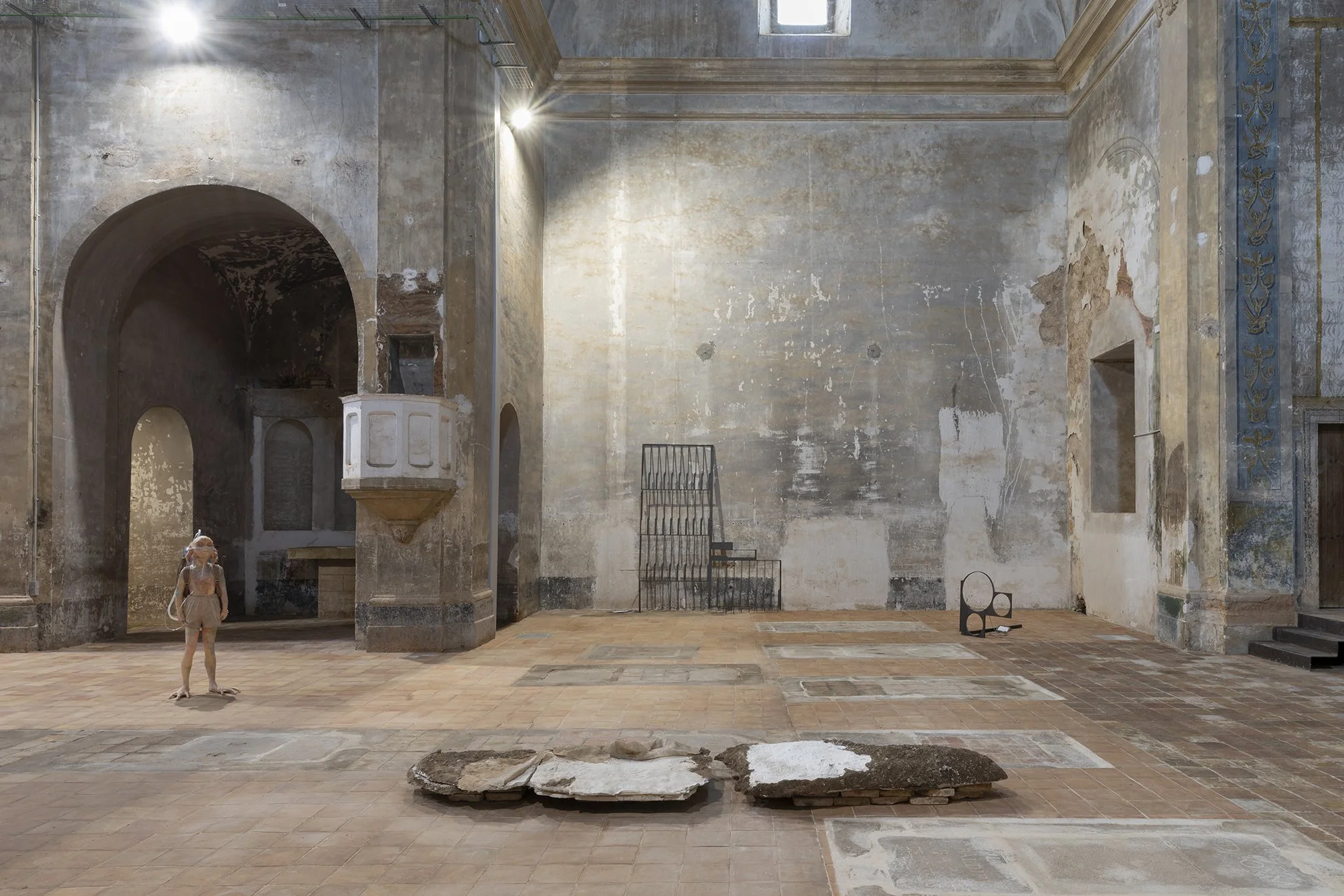
Installation view. Kin Too. Spiritvessel @ Sant Feliu de Lladó. Image by Roberto Ruiz. Courtesy of the artists and Spiritvessel.
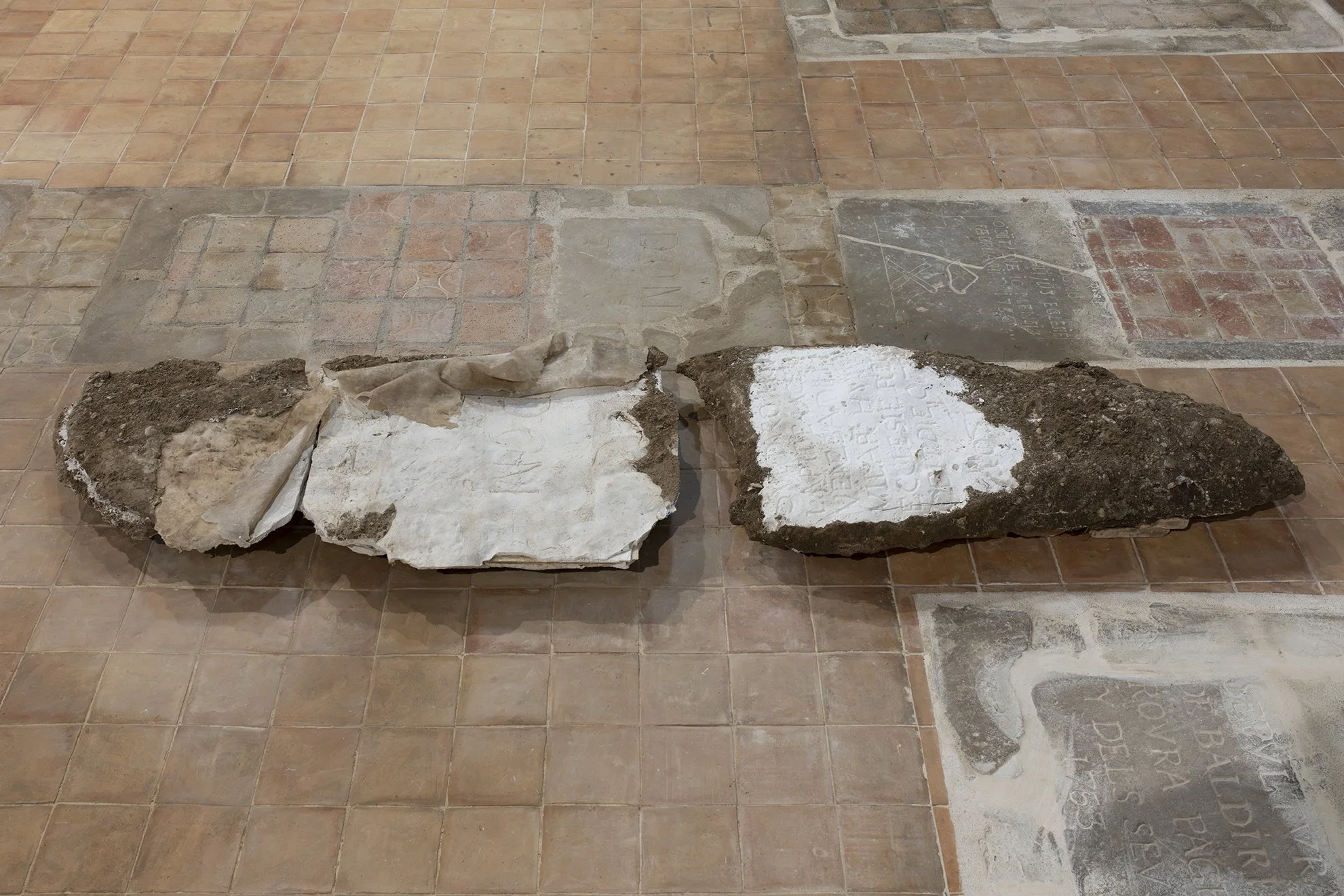
Monia Ben Hamouda. Ghost (Lladó), 2026. Plaster, oak, silicone, and soil. 100 x 197 x 24 cm. (Left). Ghost (Espinavessa), 2026. Plaster, oak, a and soil. 184 x 94 x 27 cm. (Right). Image by Roberto Ruiz. Courtesy of the artist and Spiritvessel.
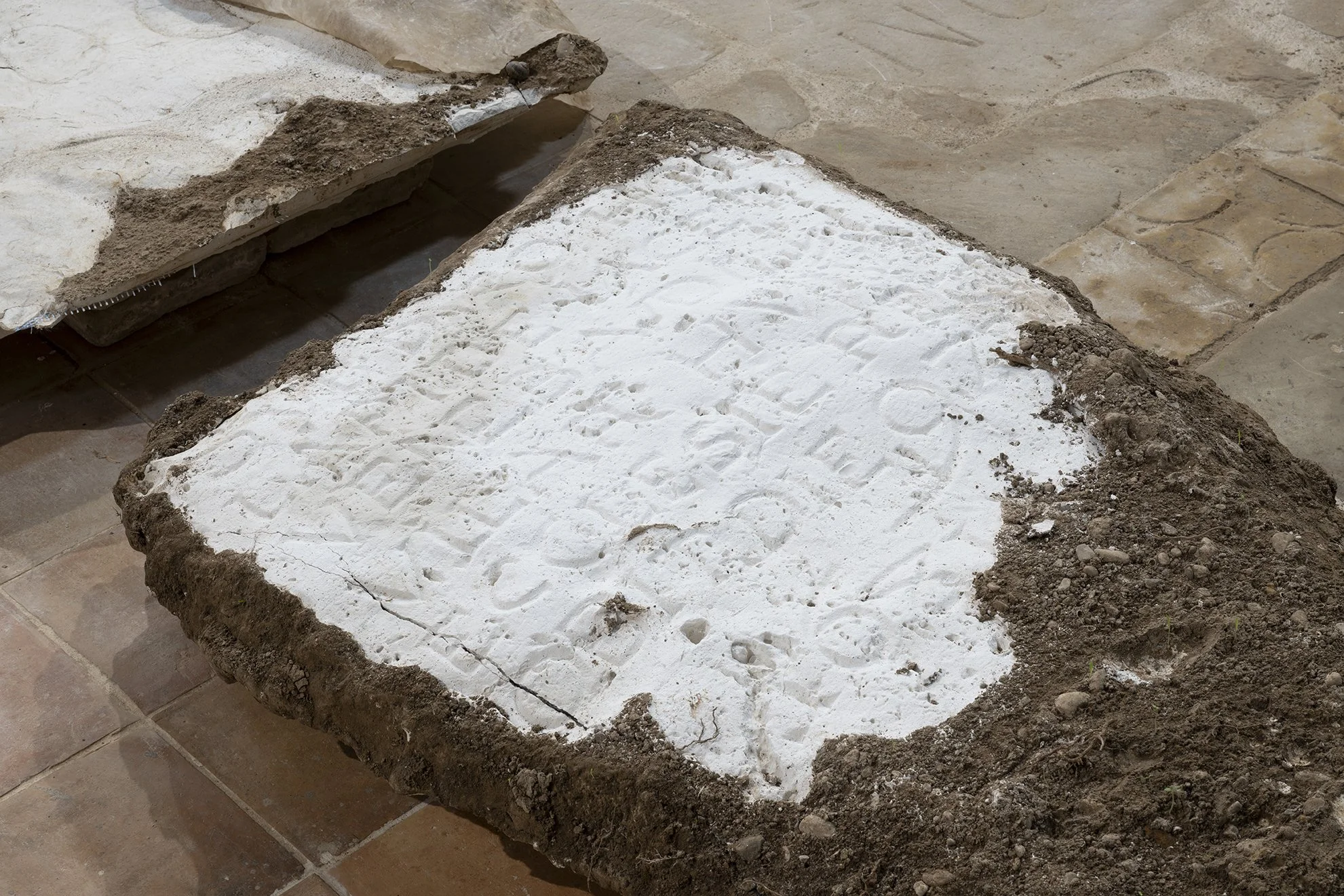
Detail. Monia Ben Hamouda. Ghost (Espinavessa), 2026. Plaster, oak, and soil. 184 x 94 x 27 cm. Image by Roberto Ruiz. Courtesy of the artist and Spiritvessel.
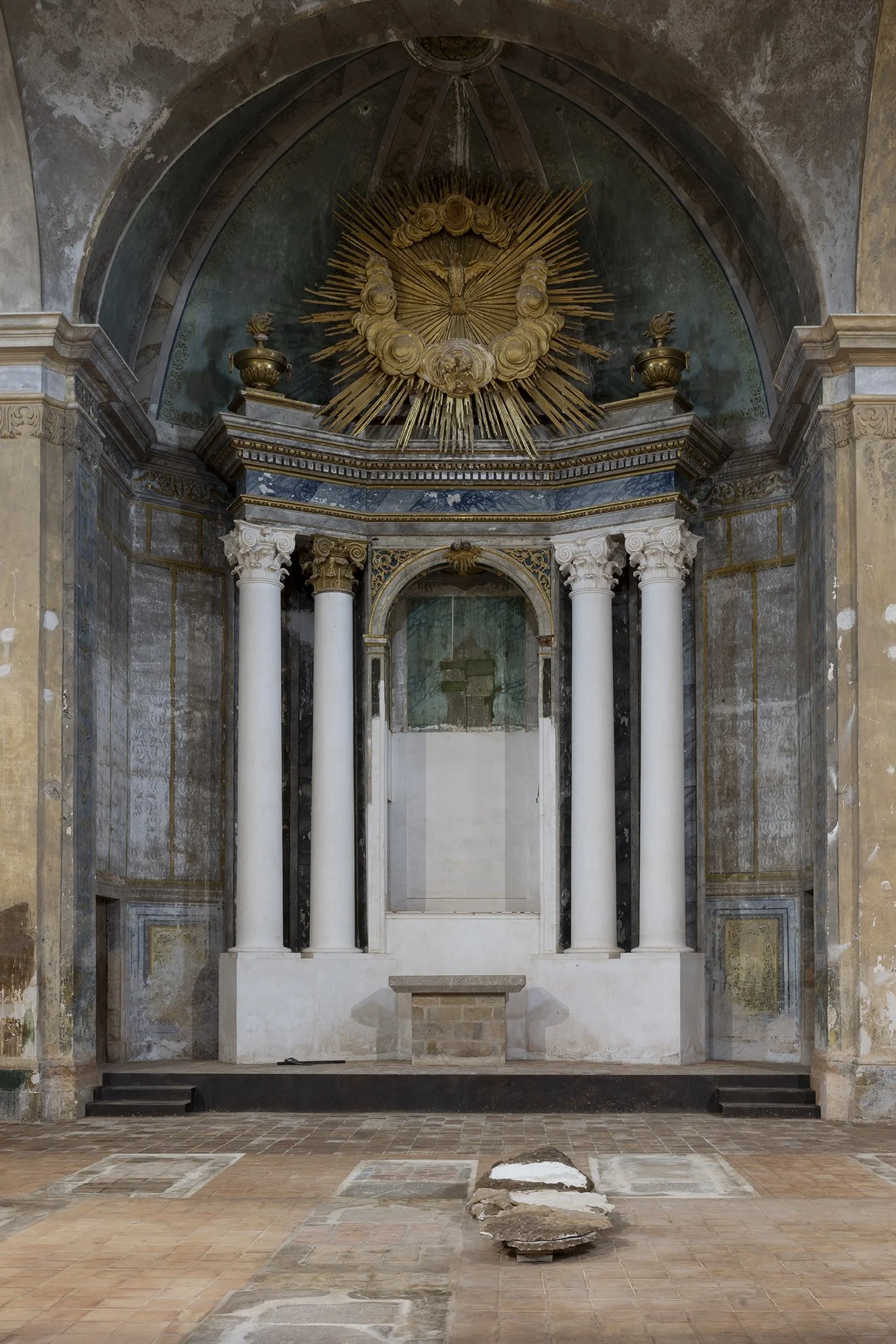
Jordi Mitjà. Clau doblegada per a vostè, 2026. Iron and Stainless steel. 100 x 30 x 10cm. (Left). Monia Ben Hamouda. Ghost (Espinavessa), 2026. Plaster, oak, and soil. 184 x 94 x 27 cm & Ghost (Lladó), 2026. Plaster, oak, silicone, and soil. Image by Roberto Ruiz. Courtesy of the artist and Spiritvessel.
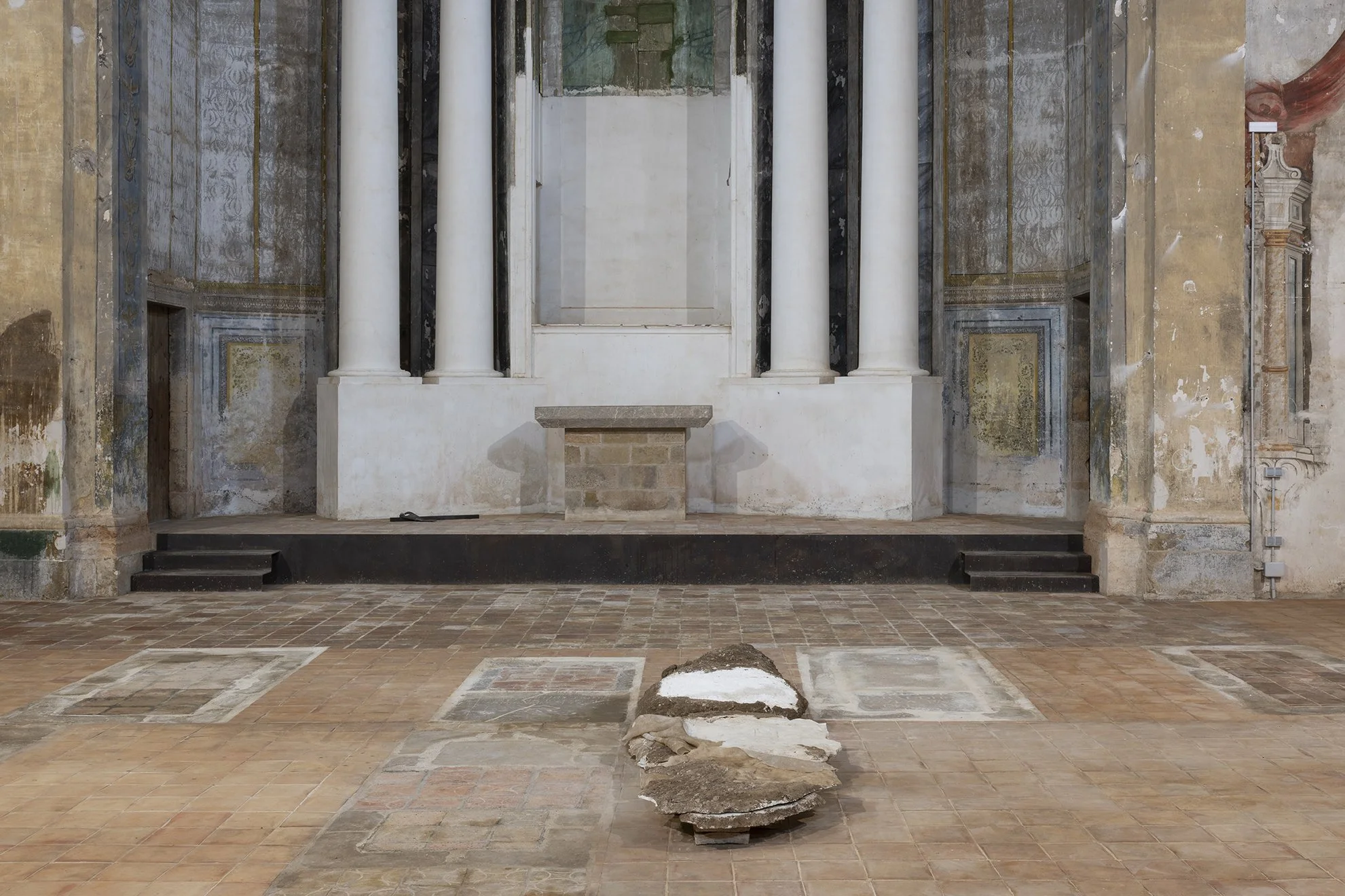
Jordi Mitjà. Clau doblegada per a vostè, 2026. Iron and Stainless steel. 100 x 30 x 10cm. (Left). Monia Ben Hamouda. Ghost (Espinavessa), 2026. Plaster, oak, and soil. 184 x 94 x 27 cm & Ghost (Lladó), 2026. Plaster, oak, silicone, and soil. Image by Roberto Ruiz. Courtesy of the artist and Spiritvessel.
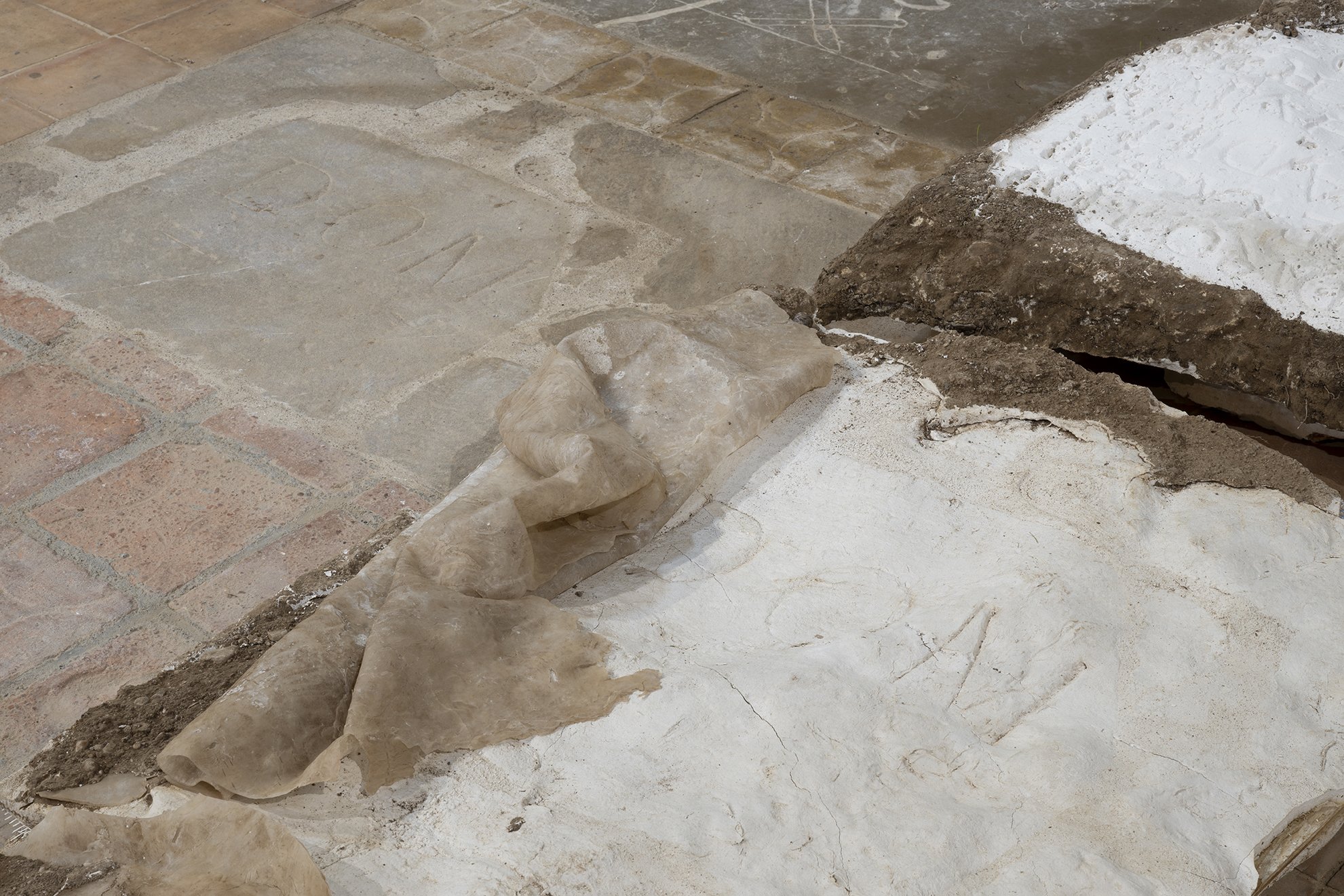
Detail. Monia Ben Hamouda. Ghost (Lladó), 2026. Plaster, oak, silicone, and soil. 100 x 197 x 24 cm. Image by Roberto Ruiz. Courtesy of the artist and Spiritvessel.
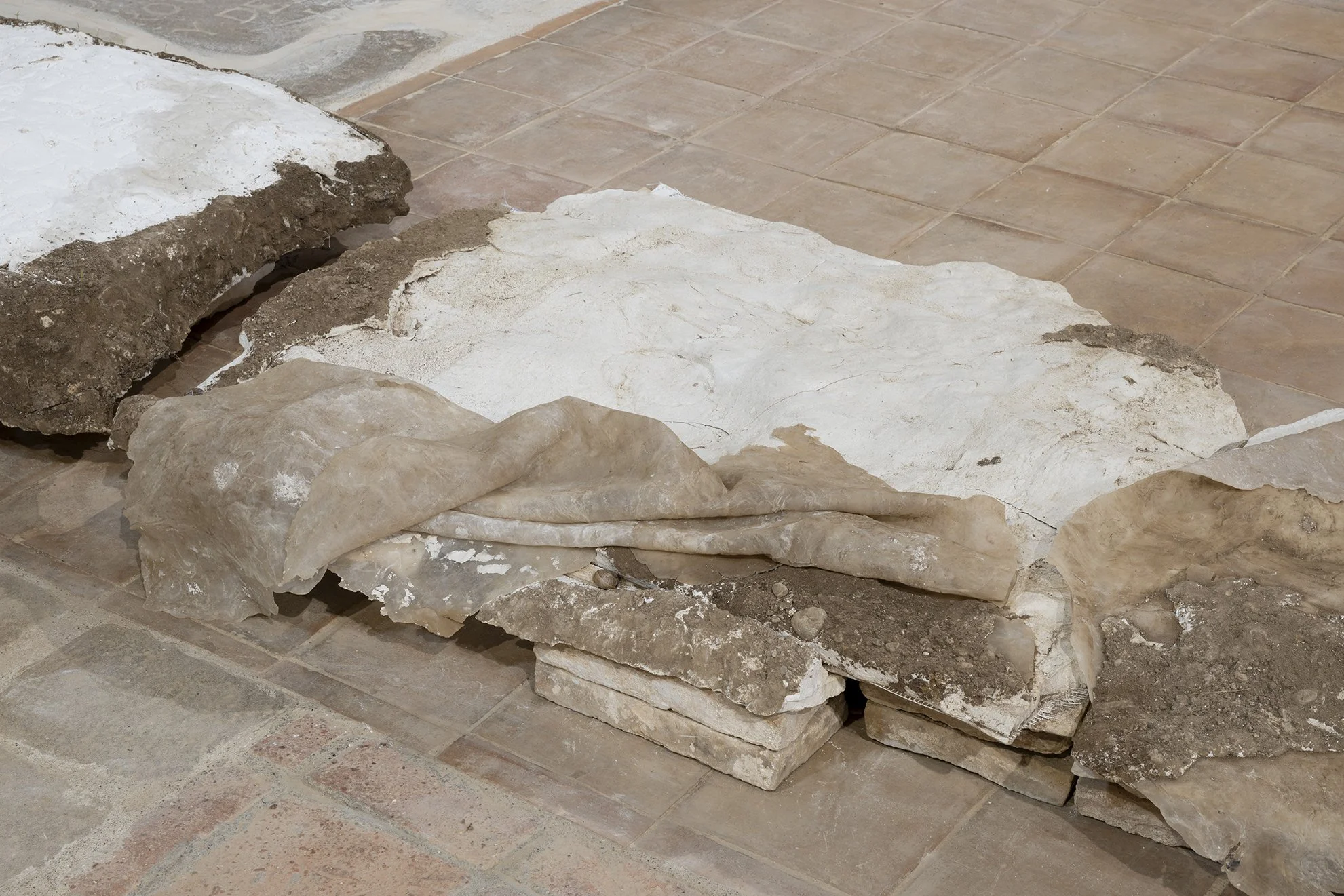
Monia Ben Hamouda. Ghost (Espinavessa), 2026. Plaster, oak, and soil. 184 x 94 x 27 cm. (Left). Ghost (Lladó), 2026. Plaster, oak, silicone, and soil. 100 x 197 x 24 cm. (Right). Image by Roberto Ruiz. Courtesy of the artist and Spiritvessel.
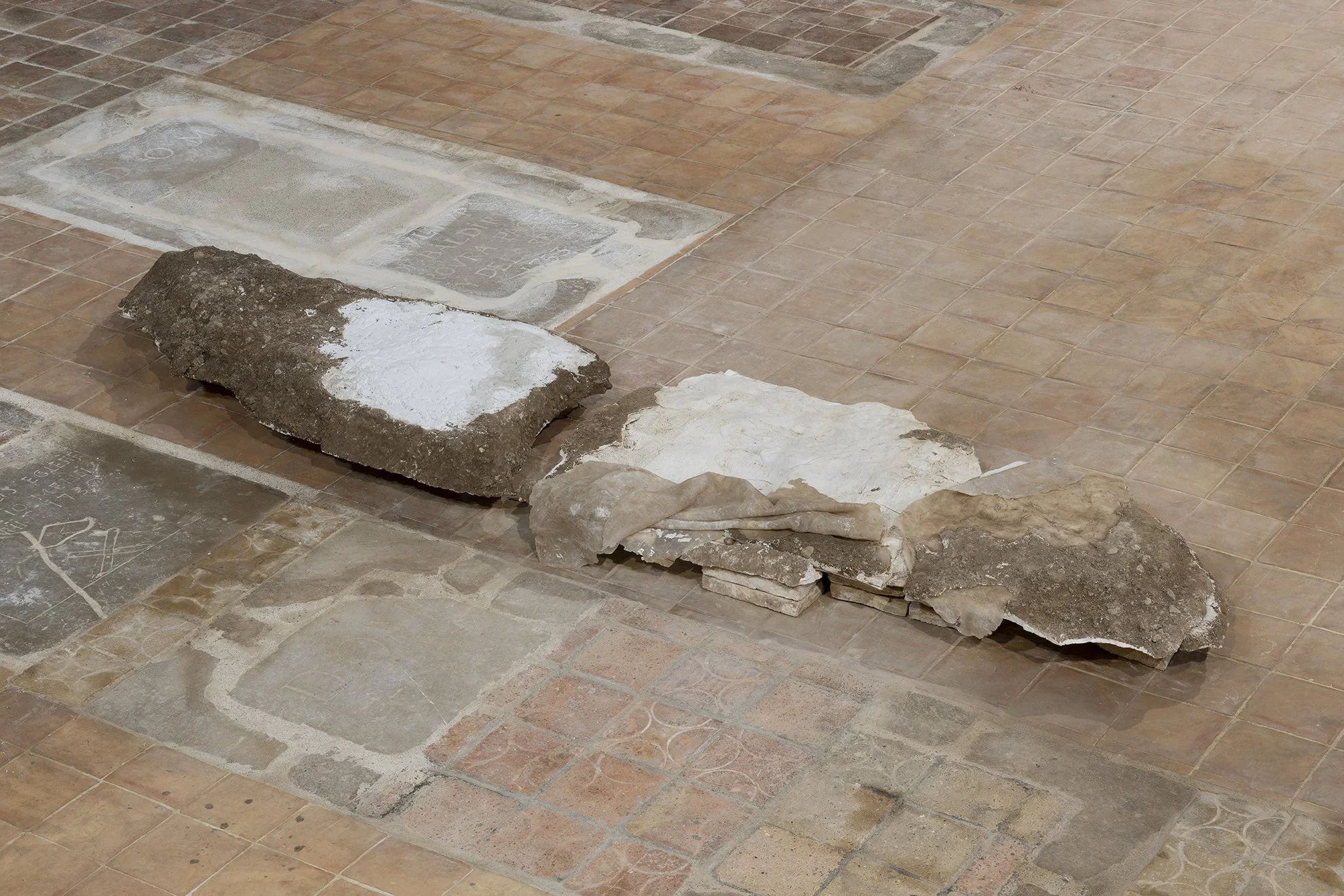
Monia Ben Hamouda. Ghost (Espinavessa), 2026. Plaster, oak, and soil. 184 x 94 x 27 cm. (Left). Ghost (Lladó), 2026. Plaster, oak, silicone, and soil. 100 x 197 x 24 cm. (Right). Image by Roberto Ruiz. Courtesy of the artist and Spiritvessel.
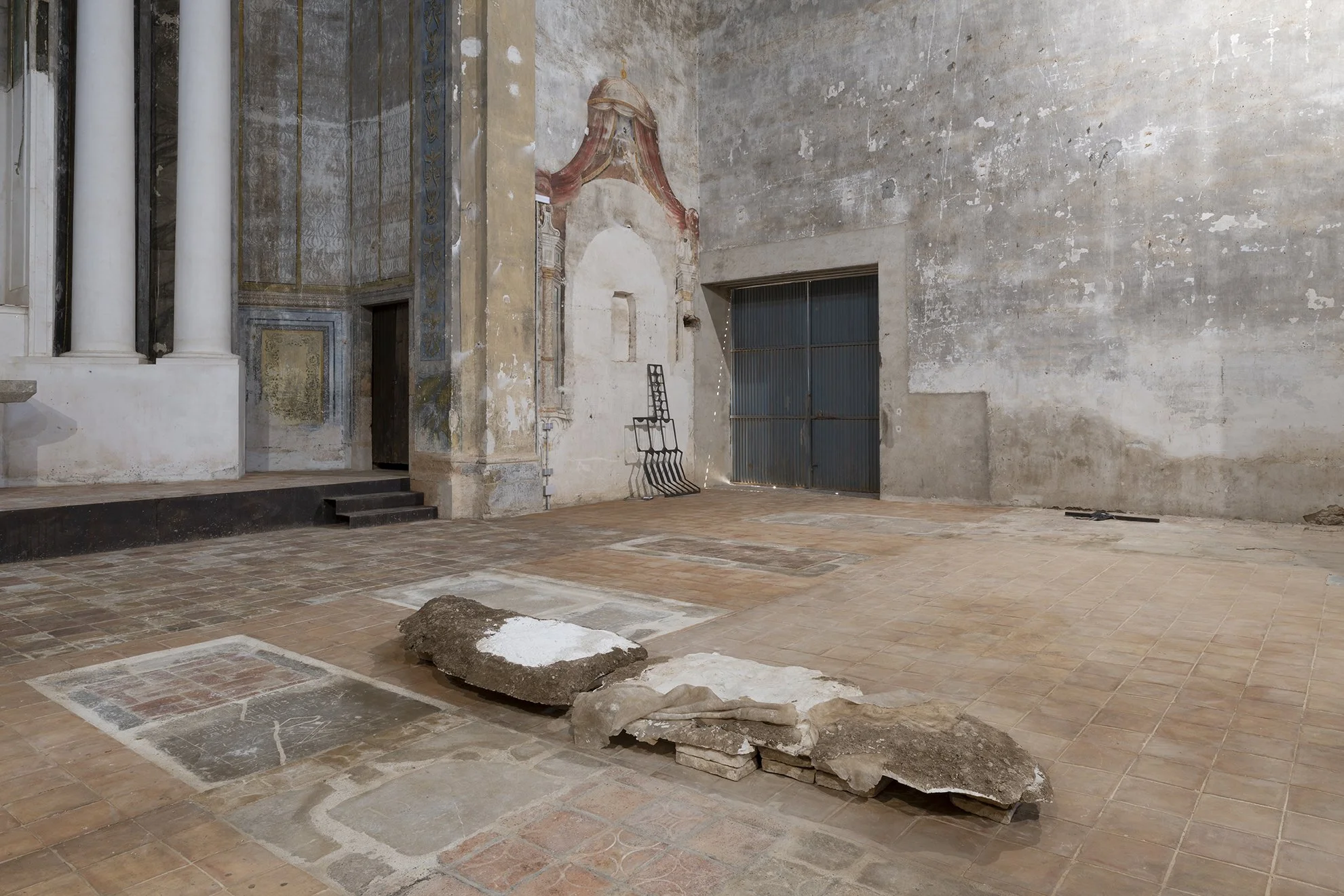
Installation view. Kin Too. Spiritvessel @ Sant Feliu de Lladó. Image by Roberto Ruiz. Courtesy of the artists and Spiritvessel.
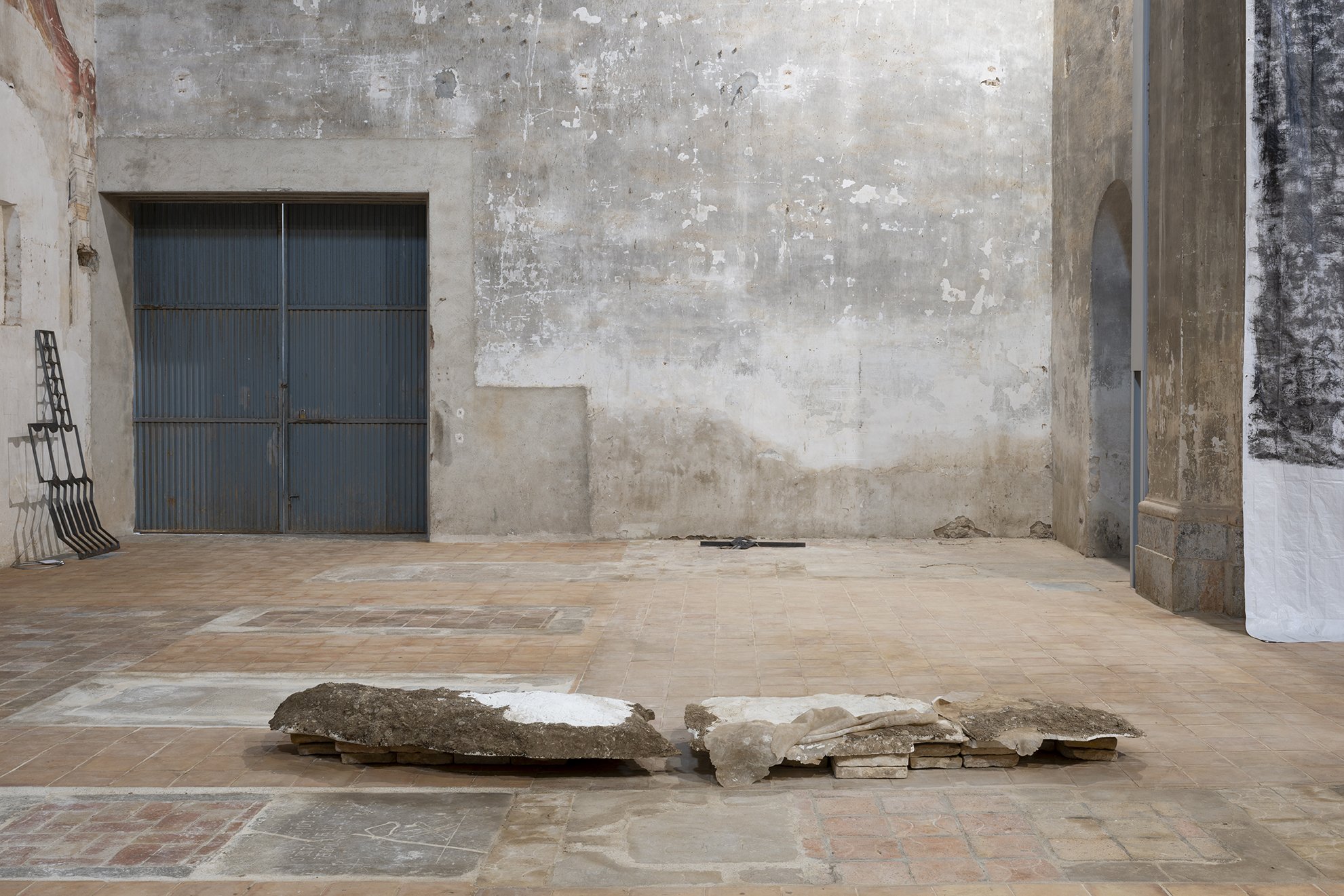
Installation view. Kin Too. Spiritvessel @ Sant Feliu de Lladó. Image by Roberto Ruiz. Courtesy of the artists and Spiritvessel.
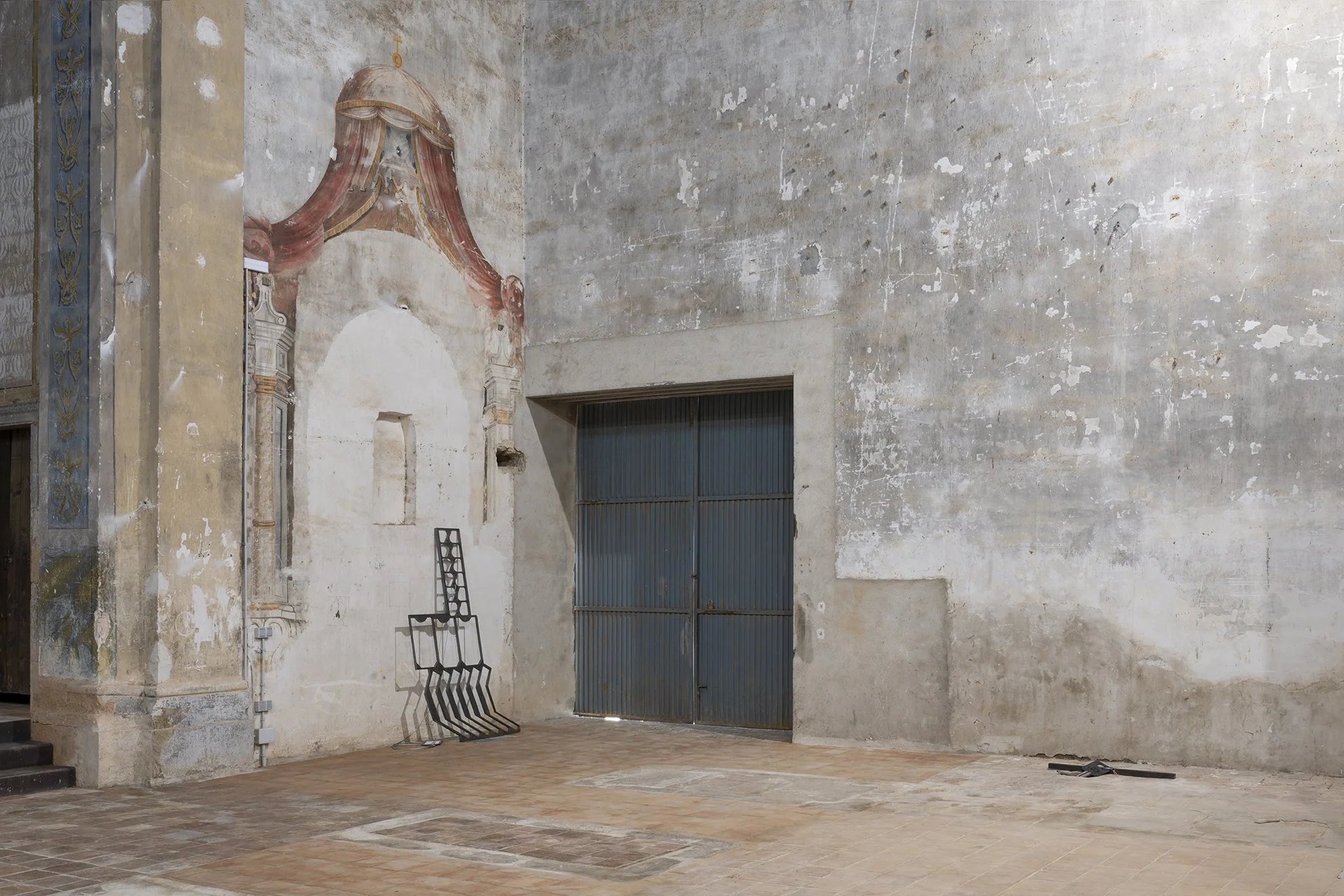
Jordi Mitjà. Negatiu reconsiderat #3, 2026. Steel, iron and paper. 150 x 214 x 10 cm. (Left). Clau partida / Lock, 2026. Iron and Stainless steel. 100 x 30 x 10cm. (Right). Image by Roberto Ruiz. Courtesy of the artist and Spiritvessel.
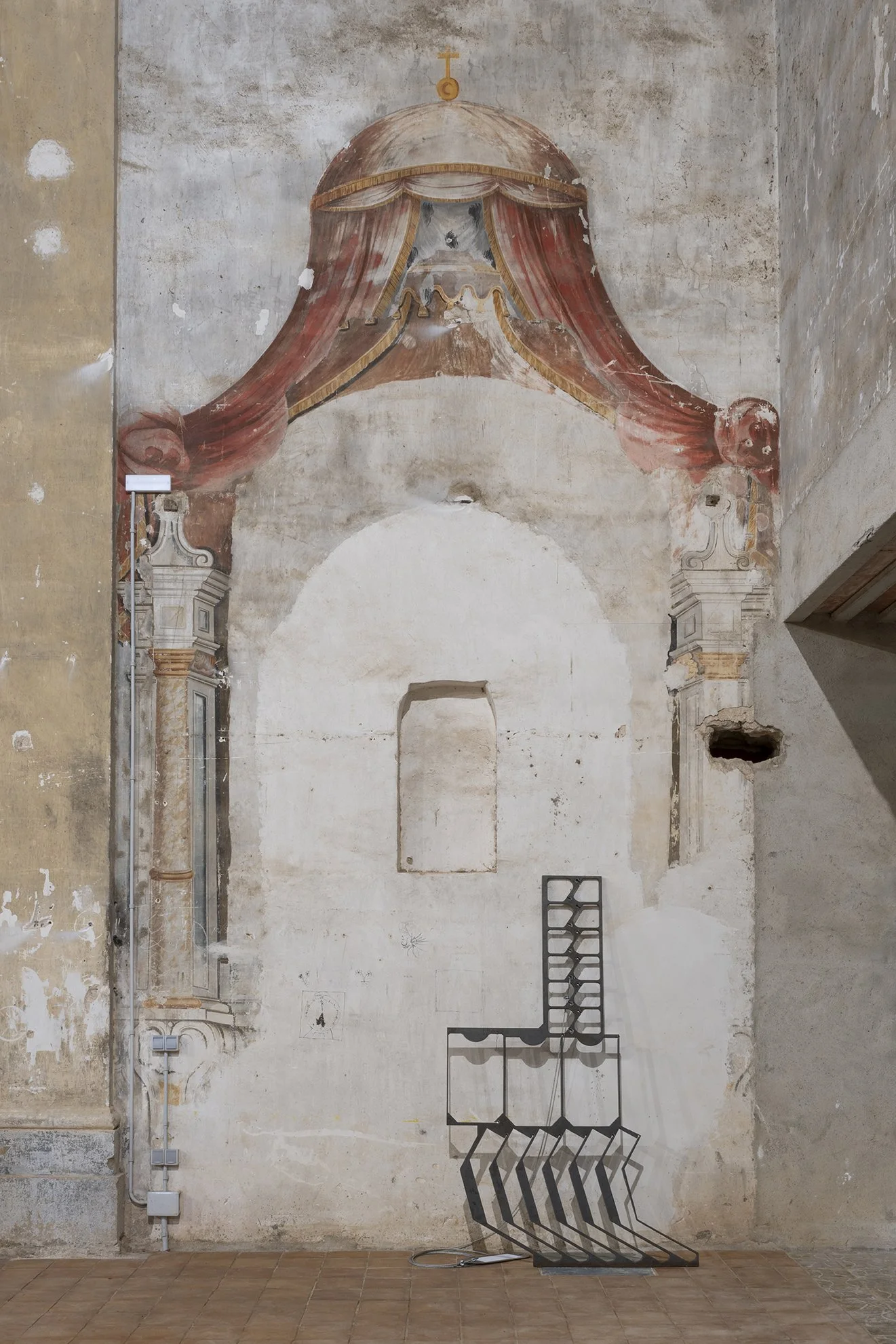
Jordi Mitjà. Negatiu reconsiderat #3, 2026. Steel, iron and paper. 150 x 214 x 10 cm. (Left). Image by Roberto Ruiz. Courtesy of the artist and Spiritvessel.
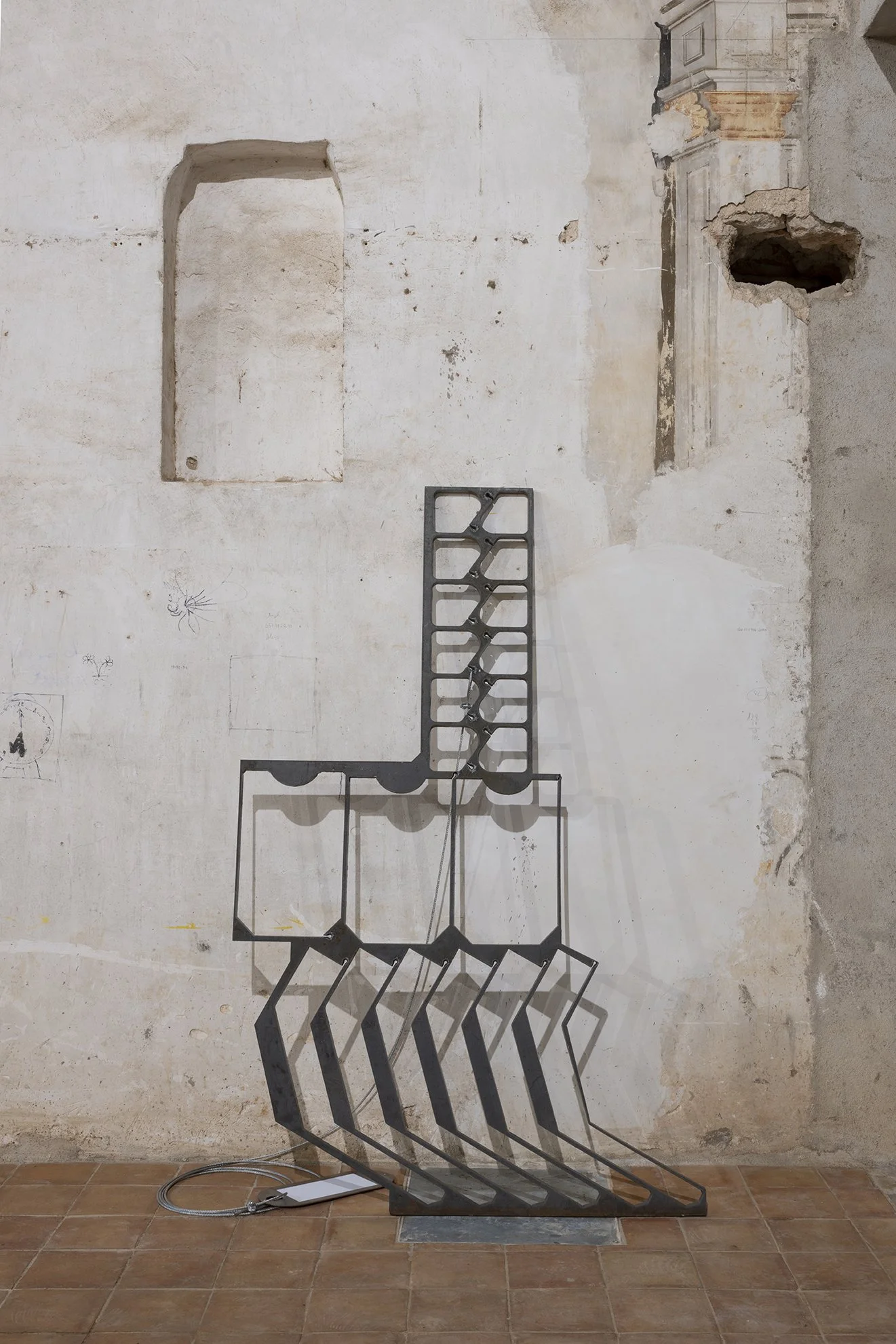
Jordi Mitjà. Negatiu reconsiderat #3, 2026. Steel, iron and paper. 150 x 214 x 10 cm. (Left). Image by Roberto Ruiz. Courtesy of the artist and Spiritvessel.
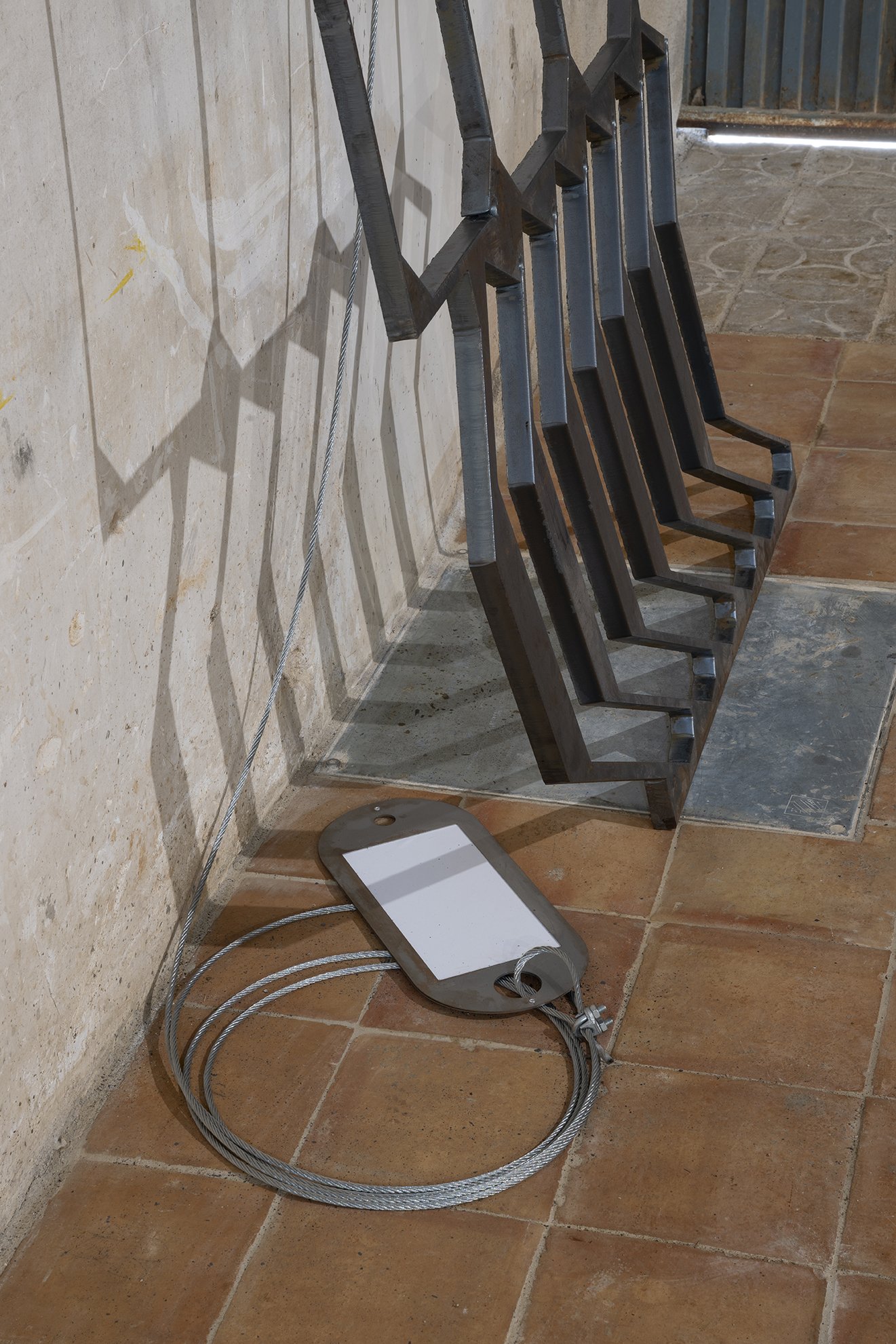
Detail. Jordi Mitjà. Negatiu reconsiderat #3, 2026. Steel, iron and paper. 150 x 214 x 10 cm. (Left). Image by Roberto Ruiz. Courtesy of the artist and Spiritvessel.
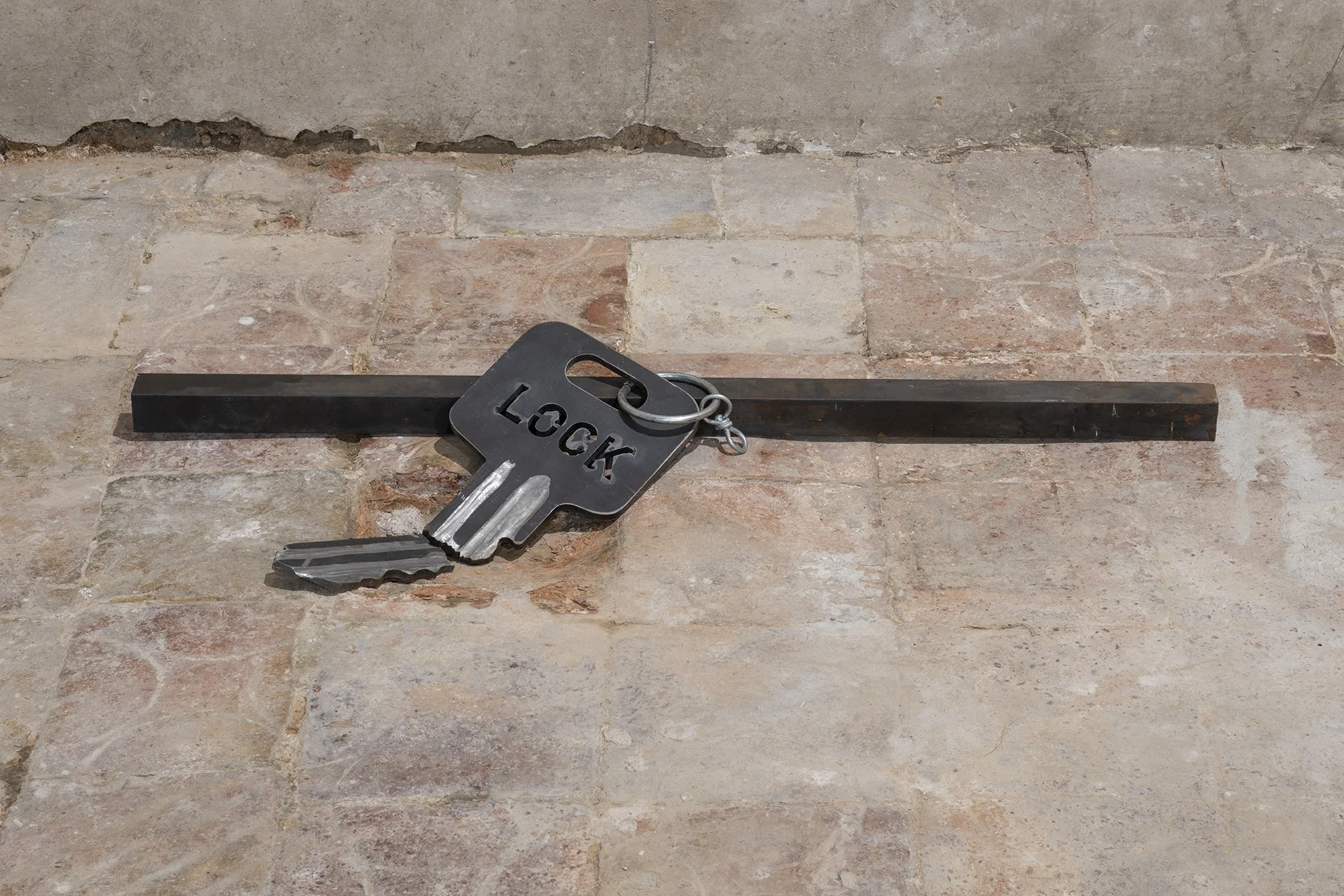
Jordi Mitjà. Clau partida / Lock, 2026. Iron and Stainless steel. 100 x 30 x 10cm. Image by Roberto Ruiz. Courtesy of the artist and Spiritvessel.
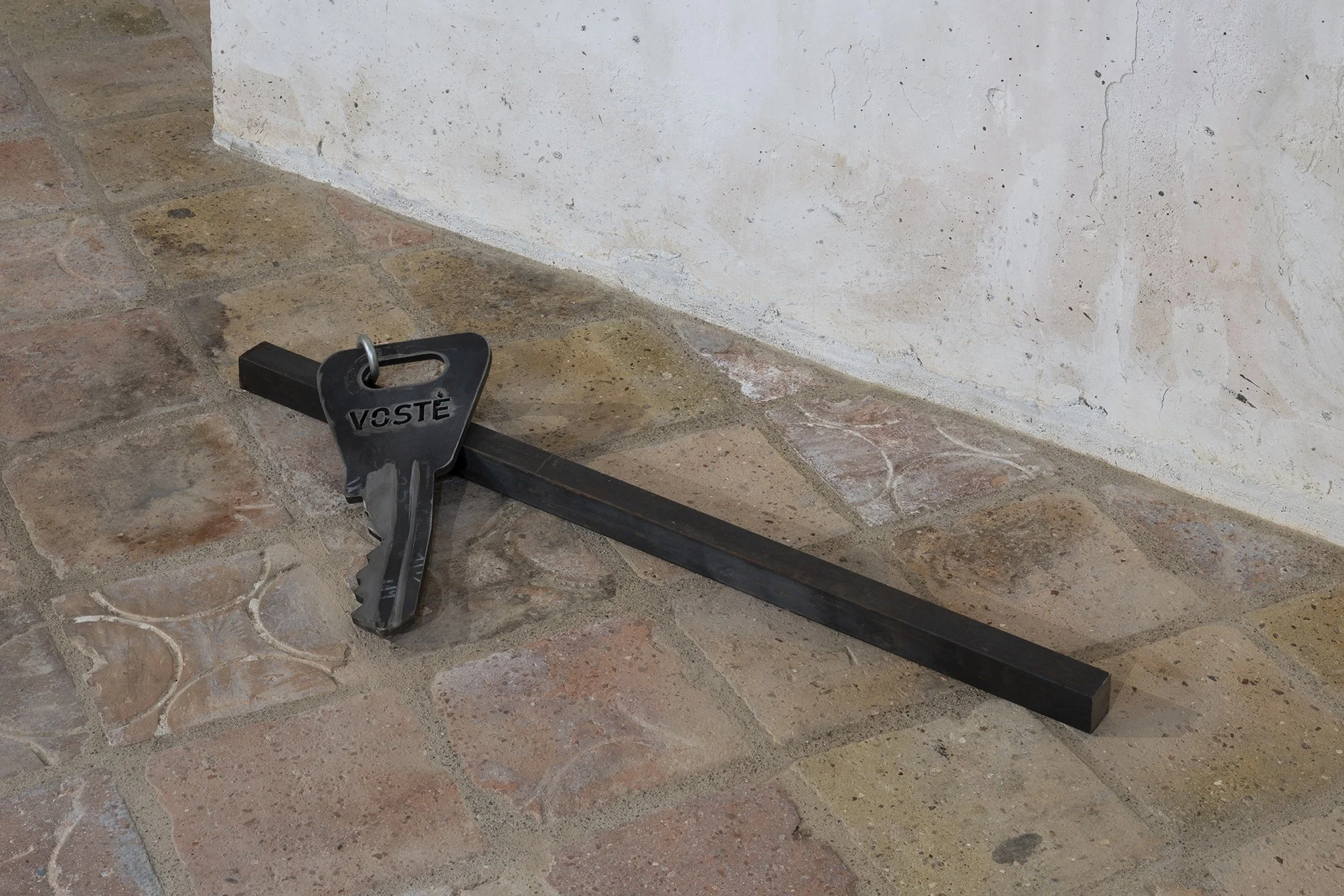
Jordi Mitja. Clau doblegada per a vostè, 2026. Iron and Stainless steel. 100 x 30 x 10cm. Image by Roberto Ruiz. Courtesy of the artist and Spiritvessel.
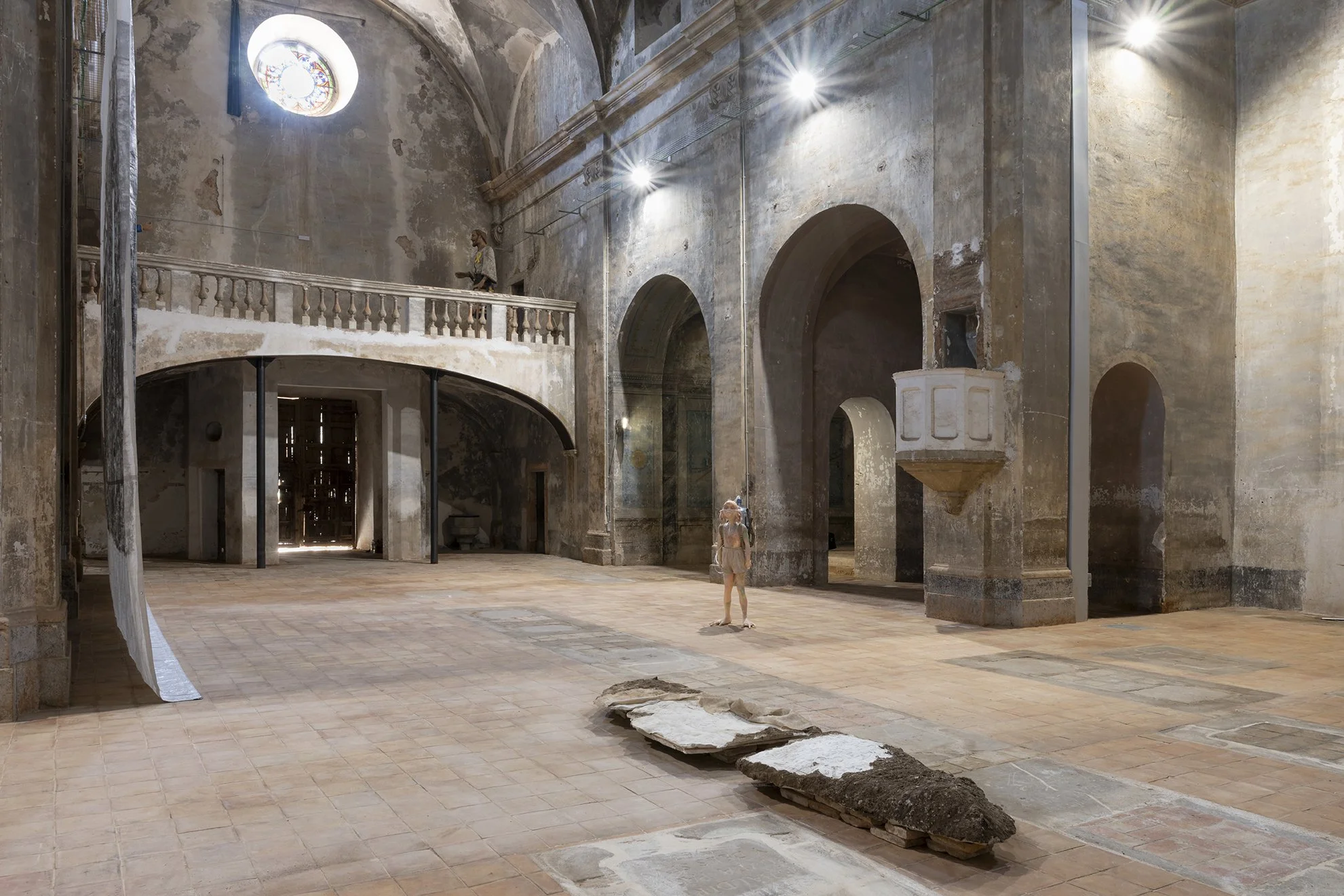
Installation view. Kin Too. Spiritvessel @ Sant Feliu de Lladó. Image by Roberto Ruiz. Courtesy of the artists and Spiritvessel.
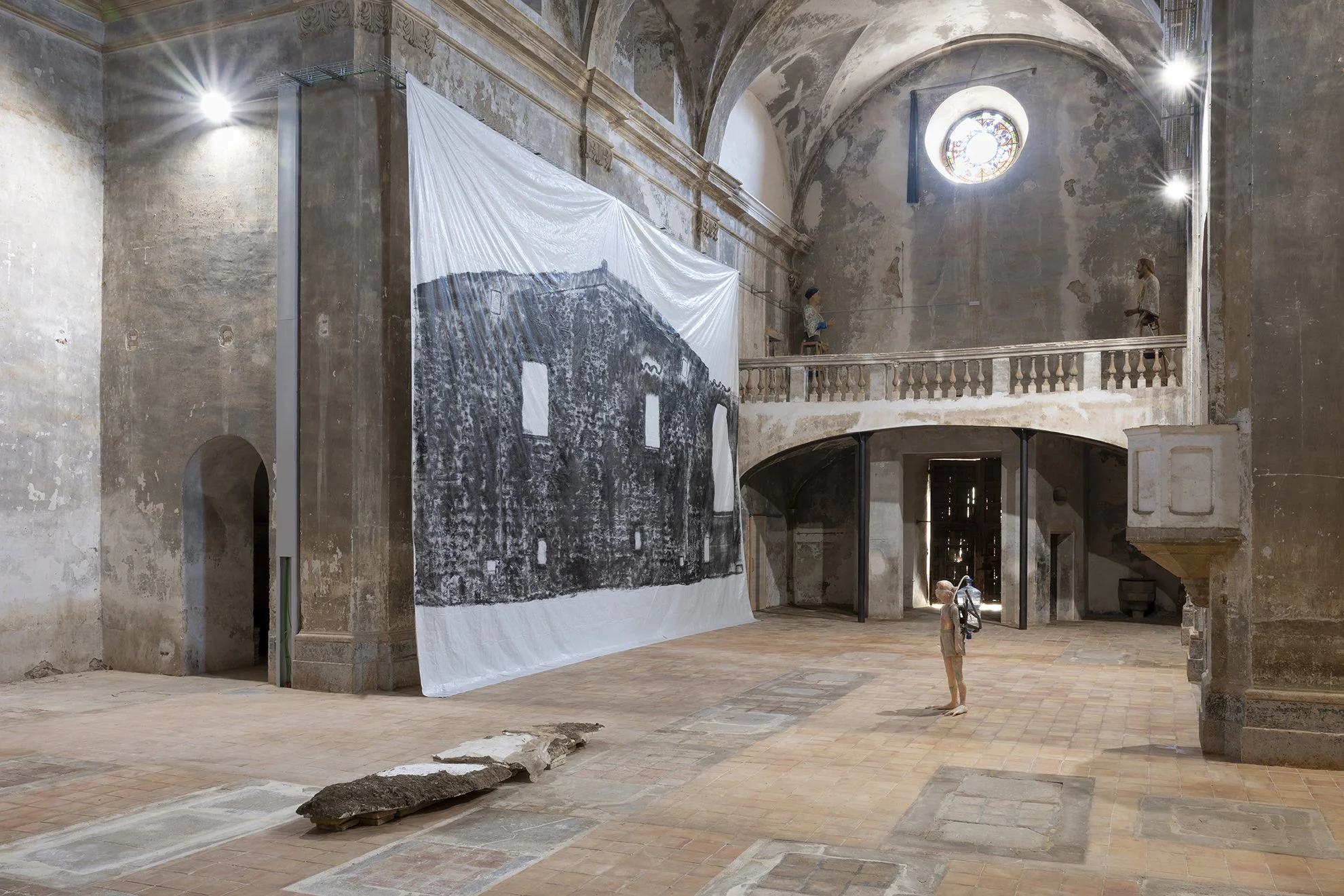
Installation view. Kin Too. Spiritvessel @ Sant Feliu de Lladó. Image by Roberto Ruiz. Courtesy of the artists and Spiritvessel.
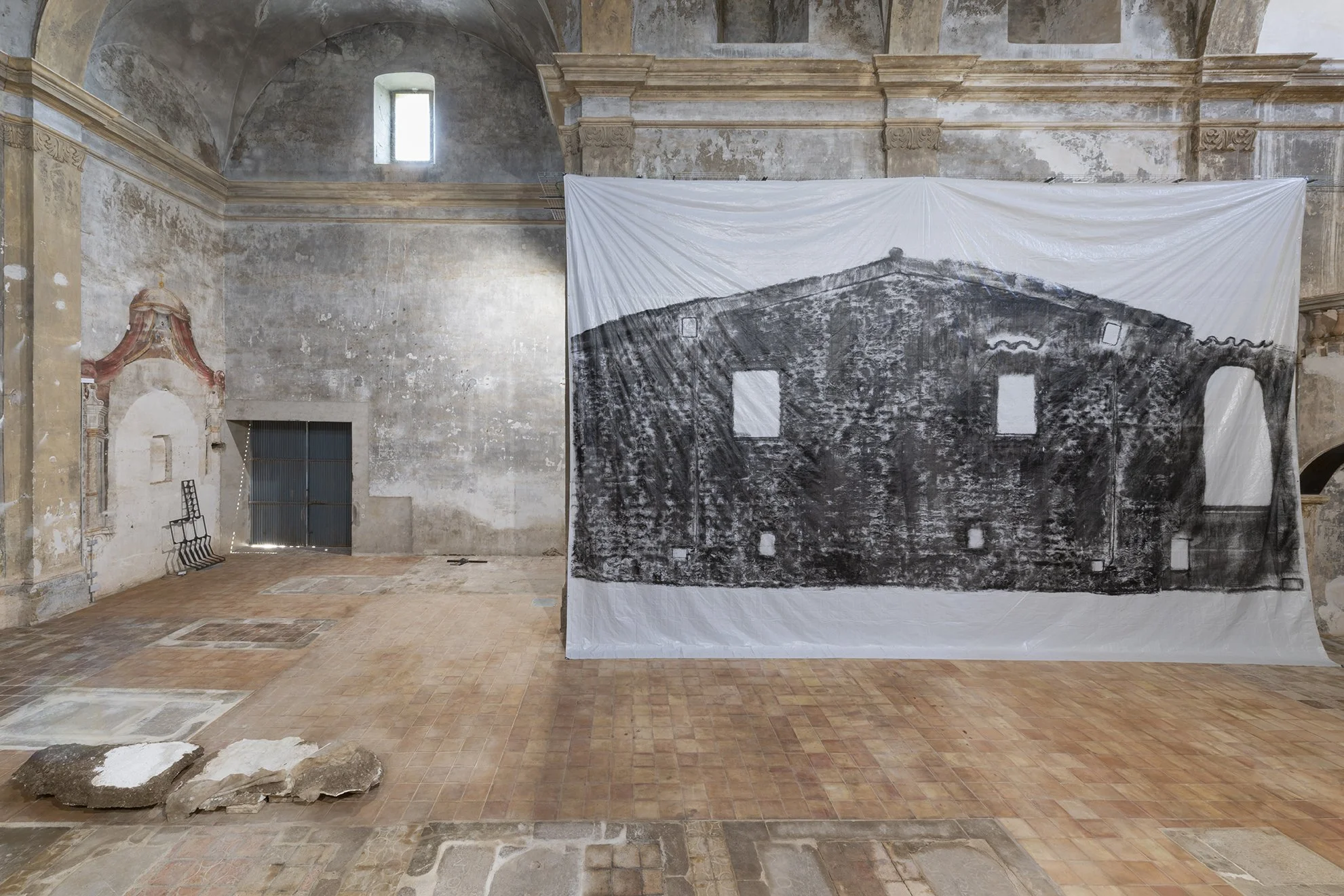
Installation view. Kin Too. Spiritvessel @ Sant Feliu de Lladó. Image by Roberto Ruiz. Courtesy of the artists and Spiritvessel.
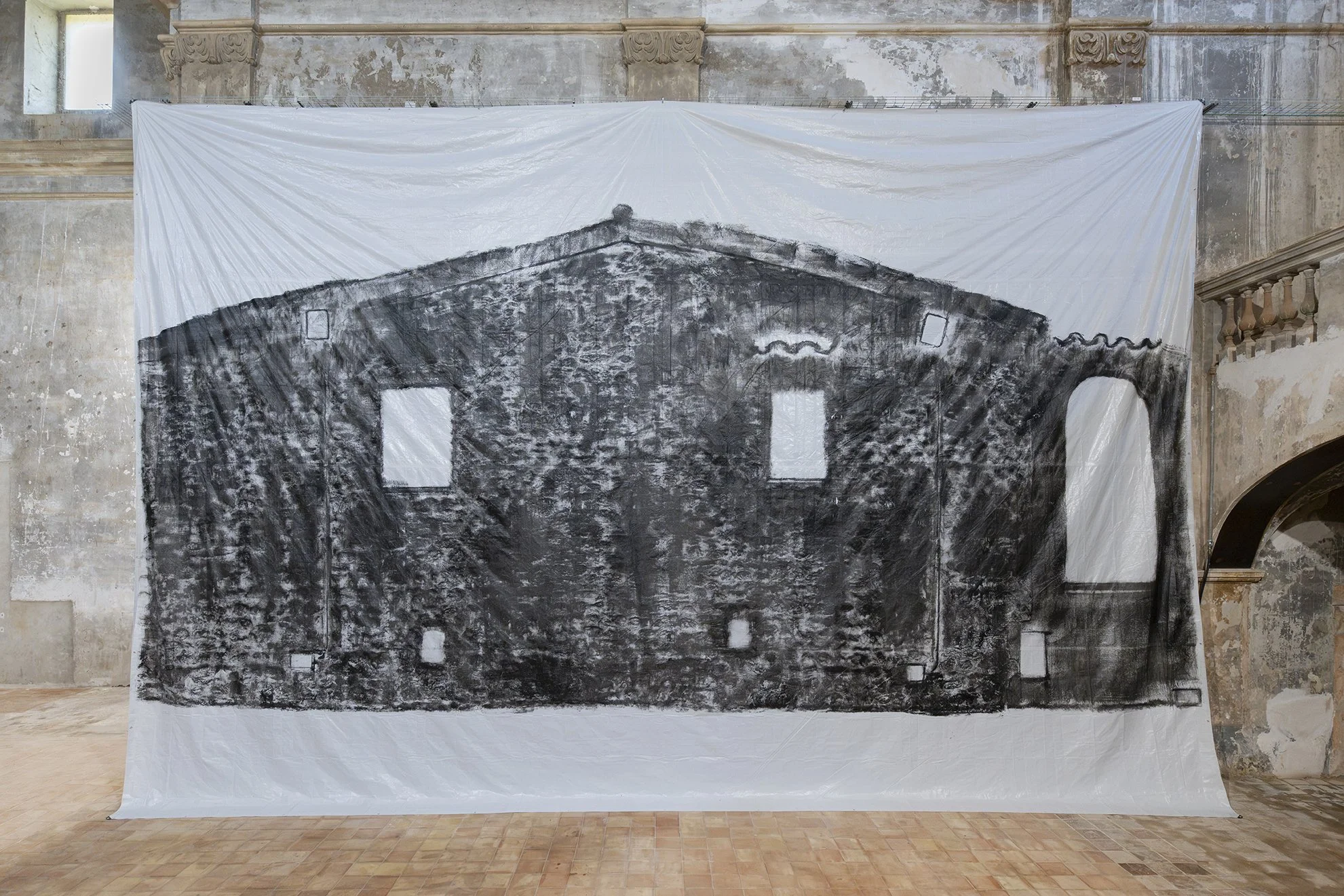
Andrew Birk. Floating House, 2026. Acrylic on tarpaulin. 8 x 12 m. Image by Roberto Ruiz. Courtesy of the artist and Spiritvessel.
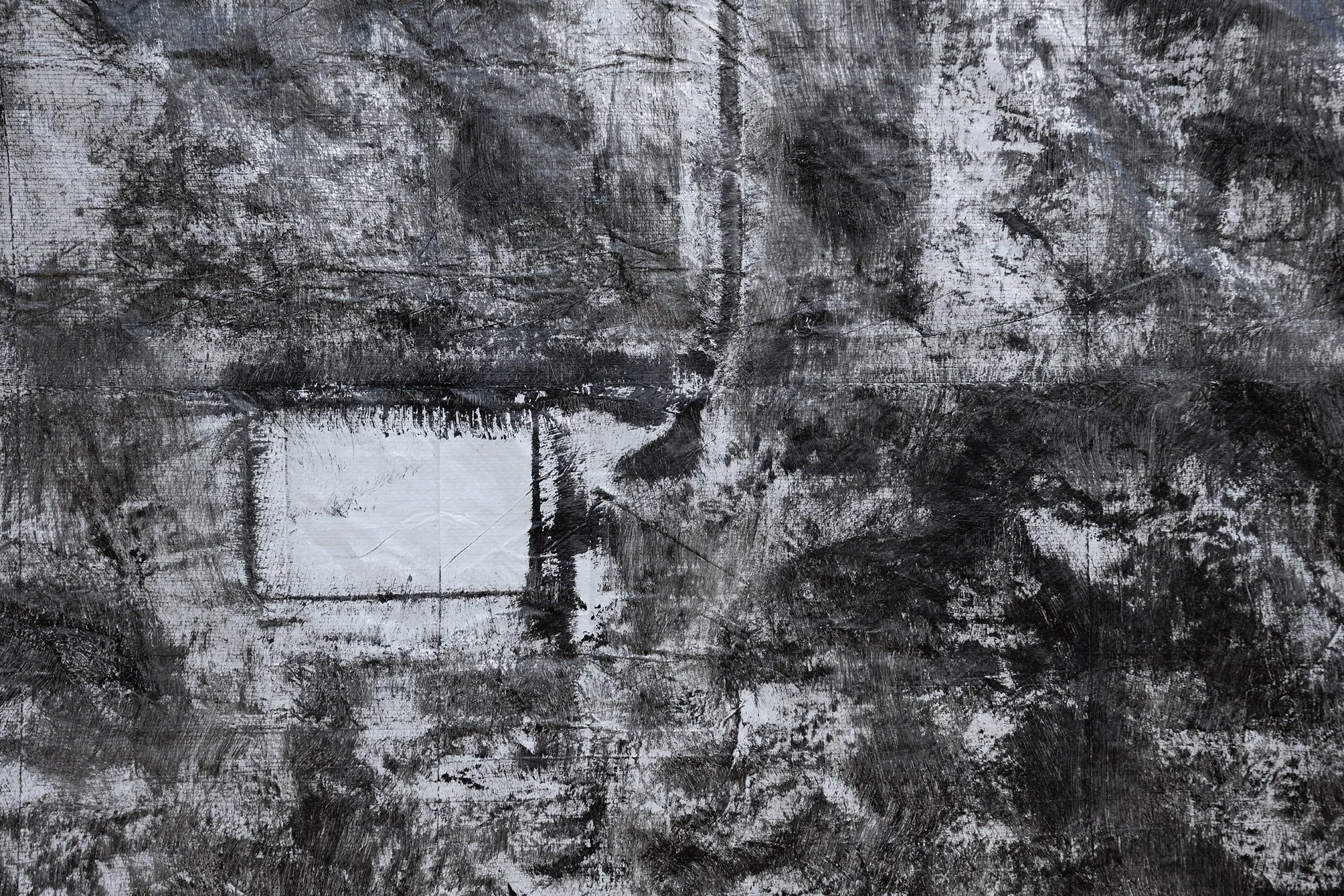
Detail. Andrew Birk. Floating House, 2026. Acrylic on tarpaulin. 8 x 12 m. Image by Roberto Ruiz. Courtesy of the artist and Spiritvessel.
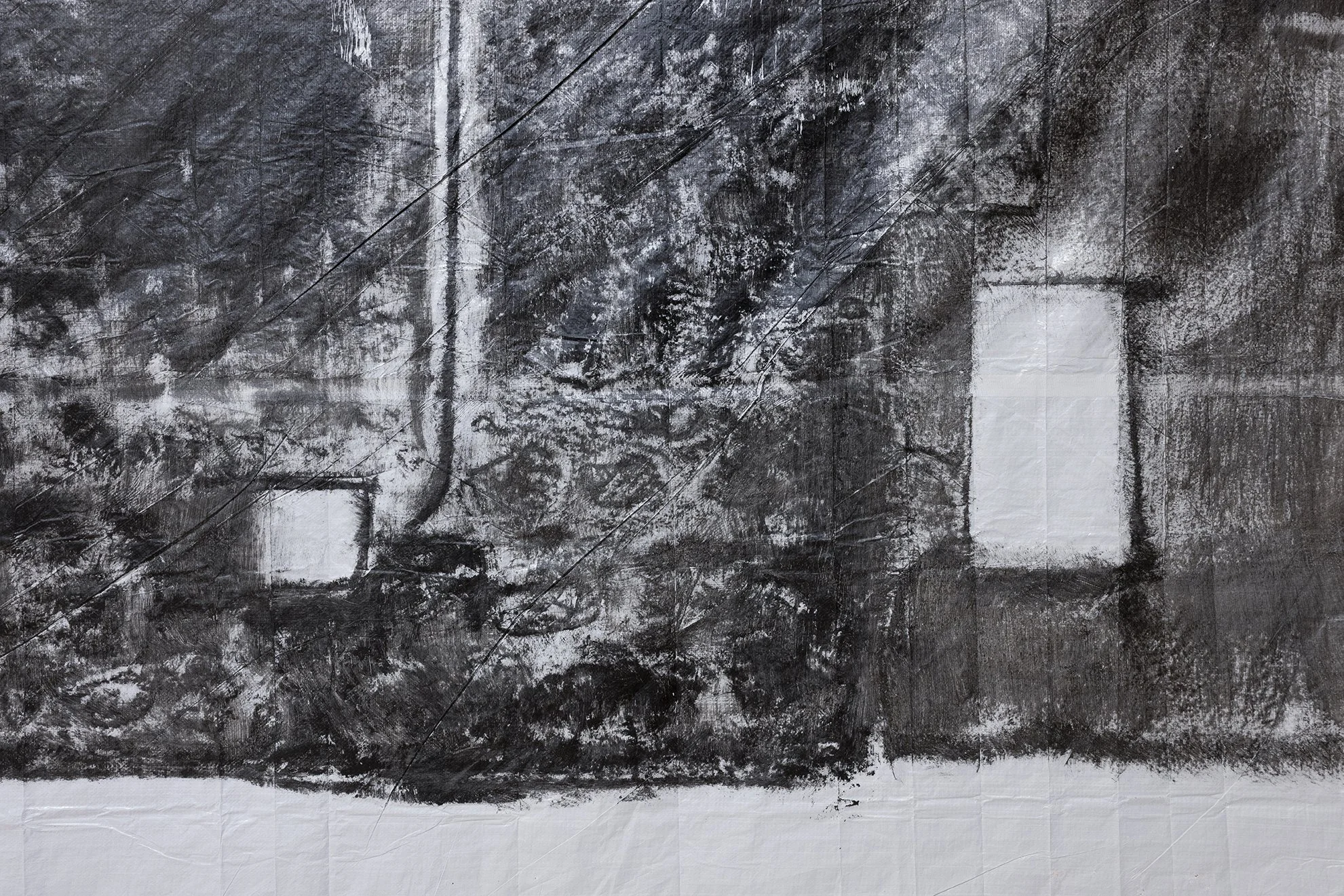
Detail. Andrew Birk. Floating House, 2026. Acrylic on tarpaulin. 8 x 12 m. Image by Roberto Ruiz. Courtesy of the artist and Spiritvessel.
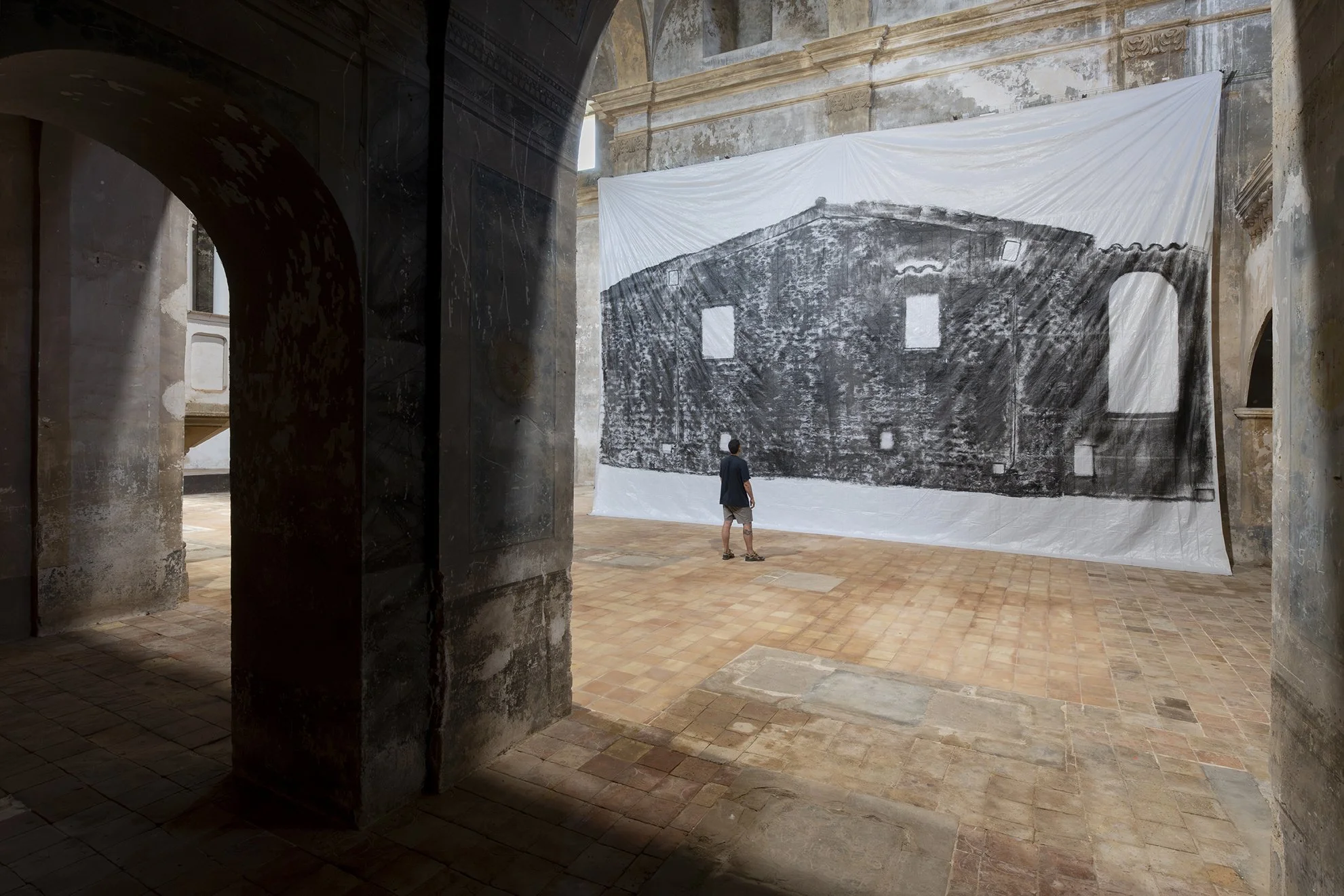
Andrew Birk. Floating House, 2026. Acrylic on tarpaulin. 8 x 12 m. Image by Roberto Ruiz. Courtesy of the artist and Spiritvessel.
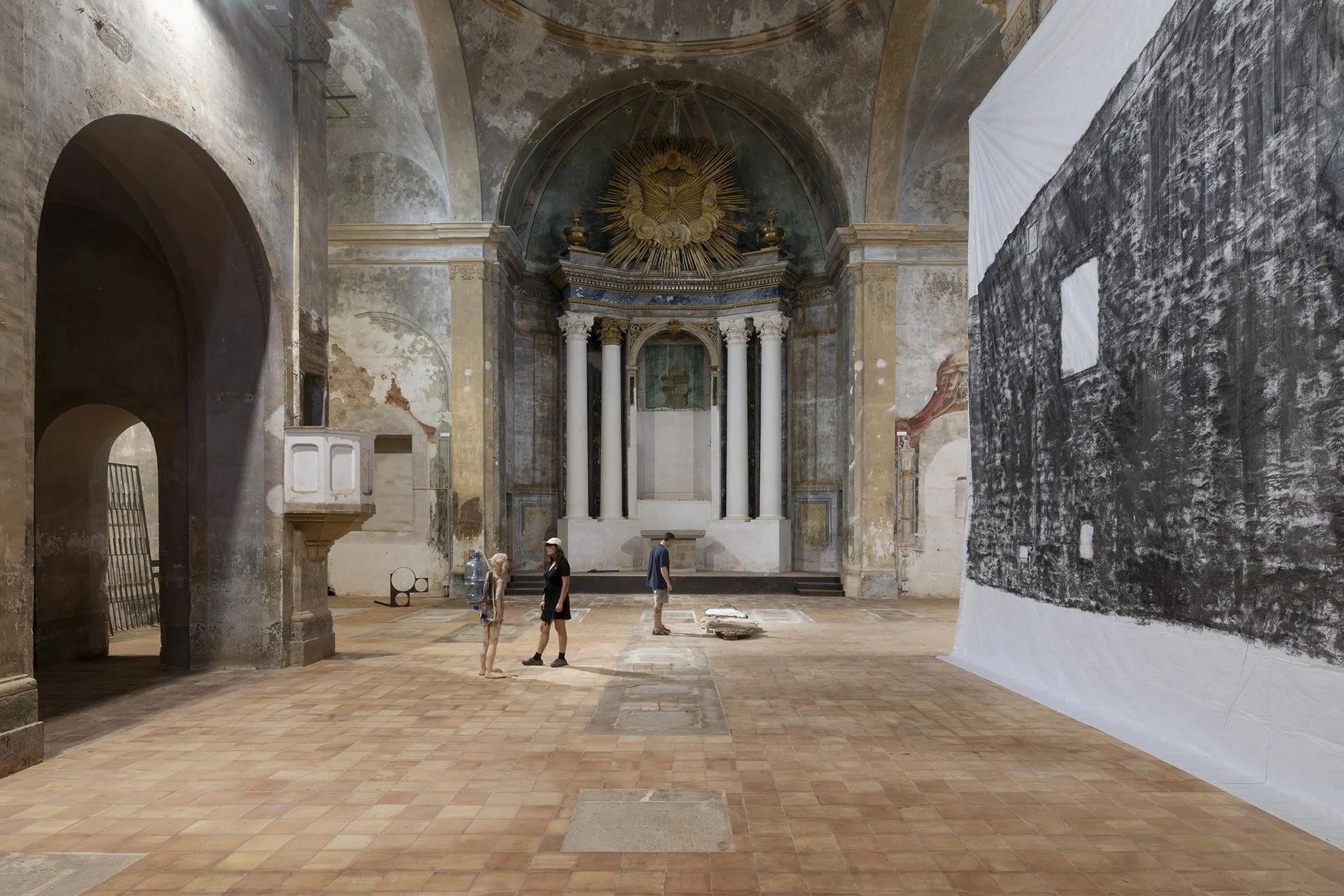
Installation view. Kin Too. Spiritvessel @ Sant Feliu de Lladó. Image by Roberto Ruiz. Courtesy of the artists and Spiritvessel.
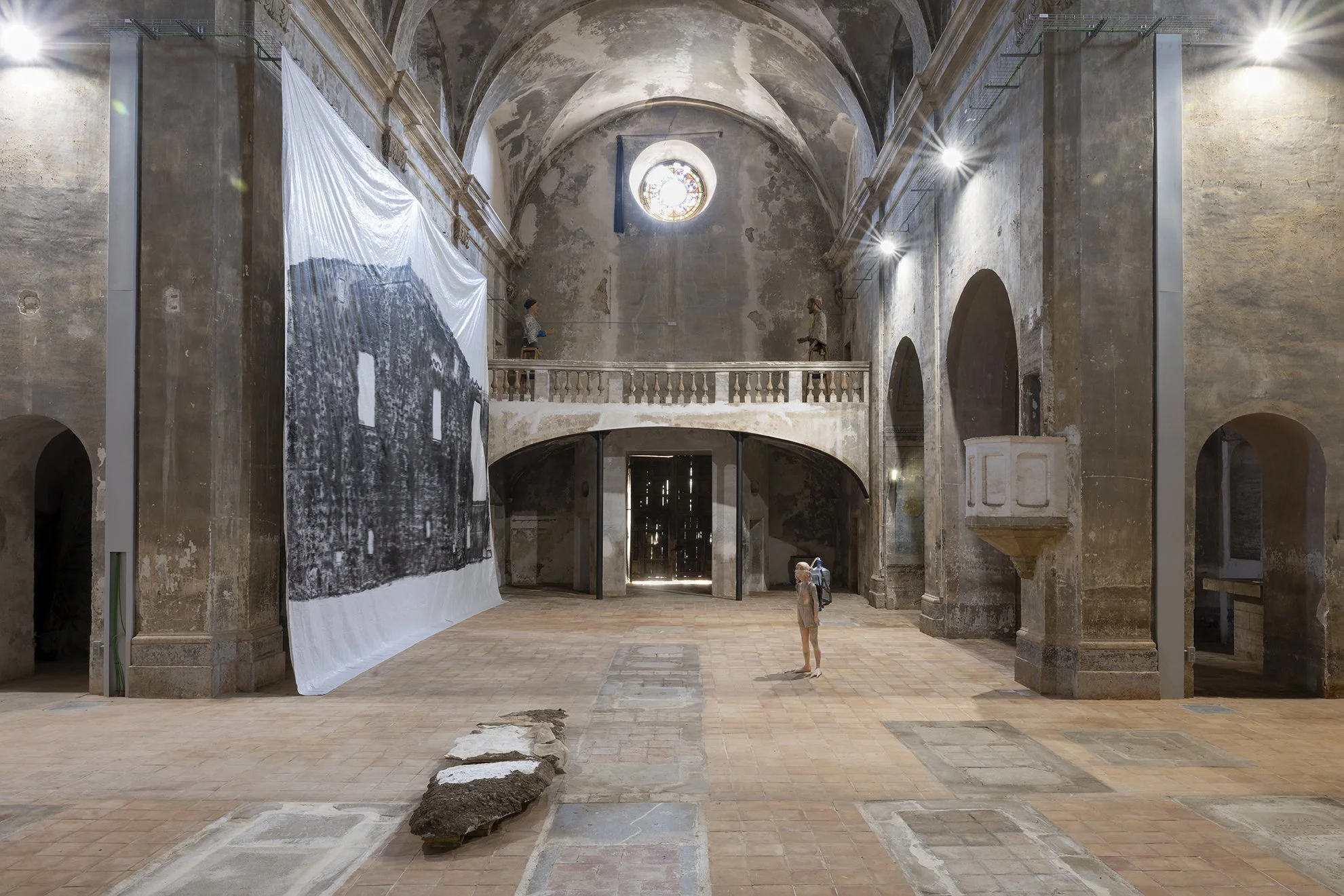
Installation view. Kin Too. Spiritvessel @ Sant Feliu de Lladó. Image by Roberto Ruiz. Courtesy of the artists and Spiritvessel.
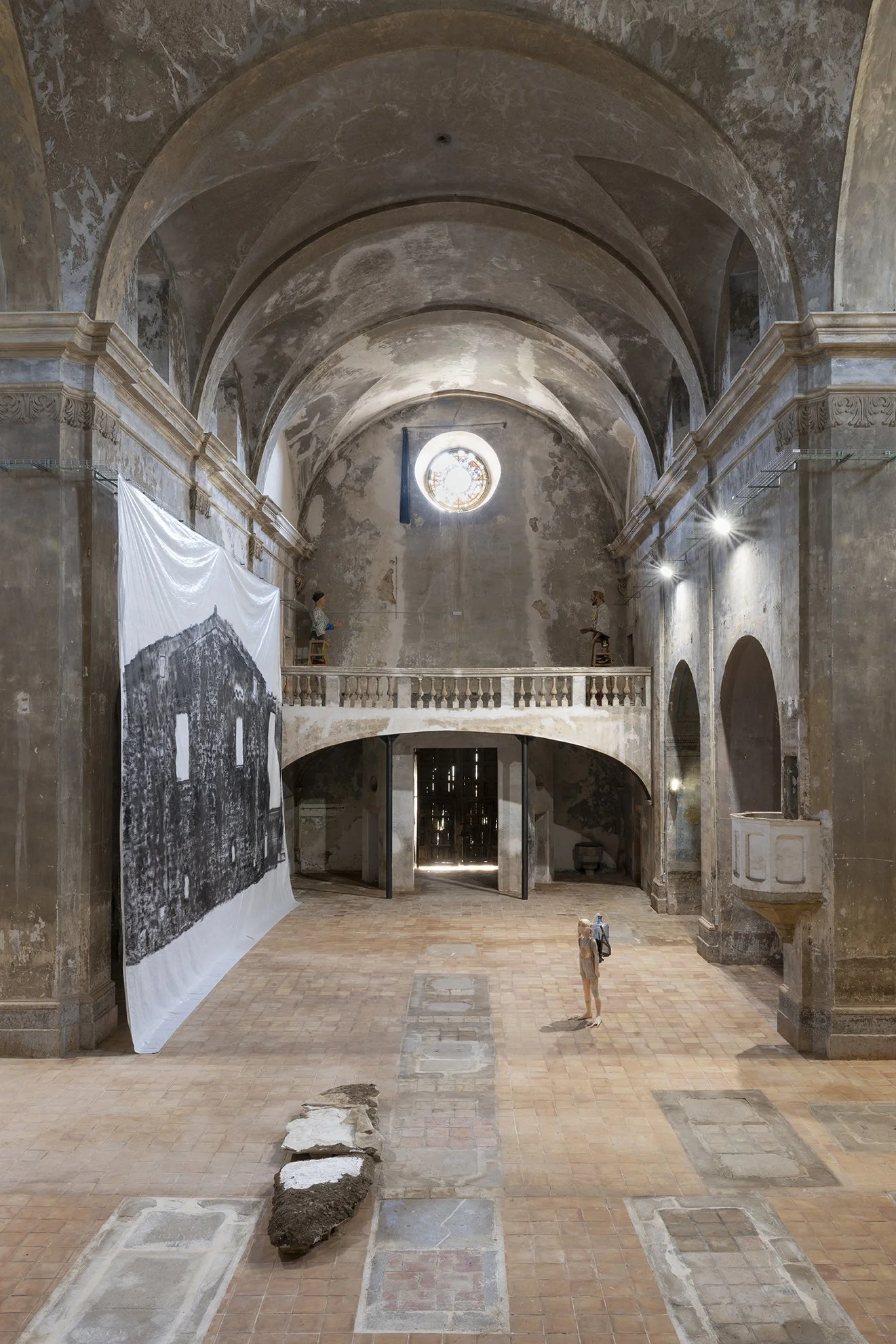
Installation view. Kin Too. Spiritvessel @ Sant Feliu de Lladó. Image by Roberto Ruiz. Courtesy of the artists and Spiritvessel.
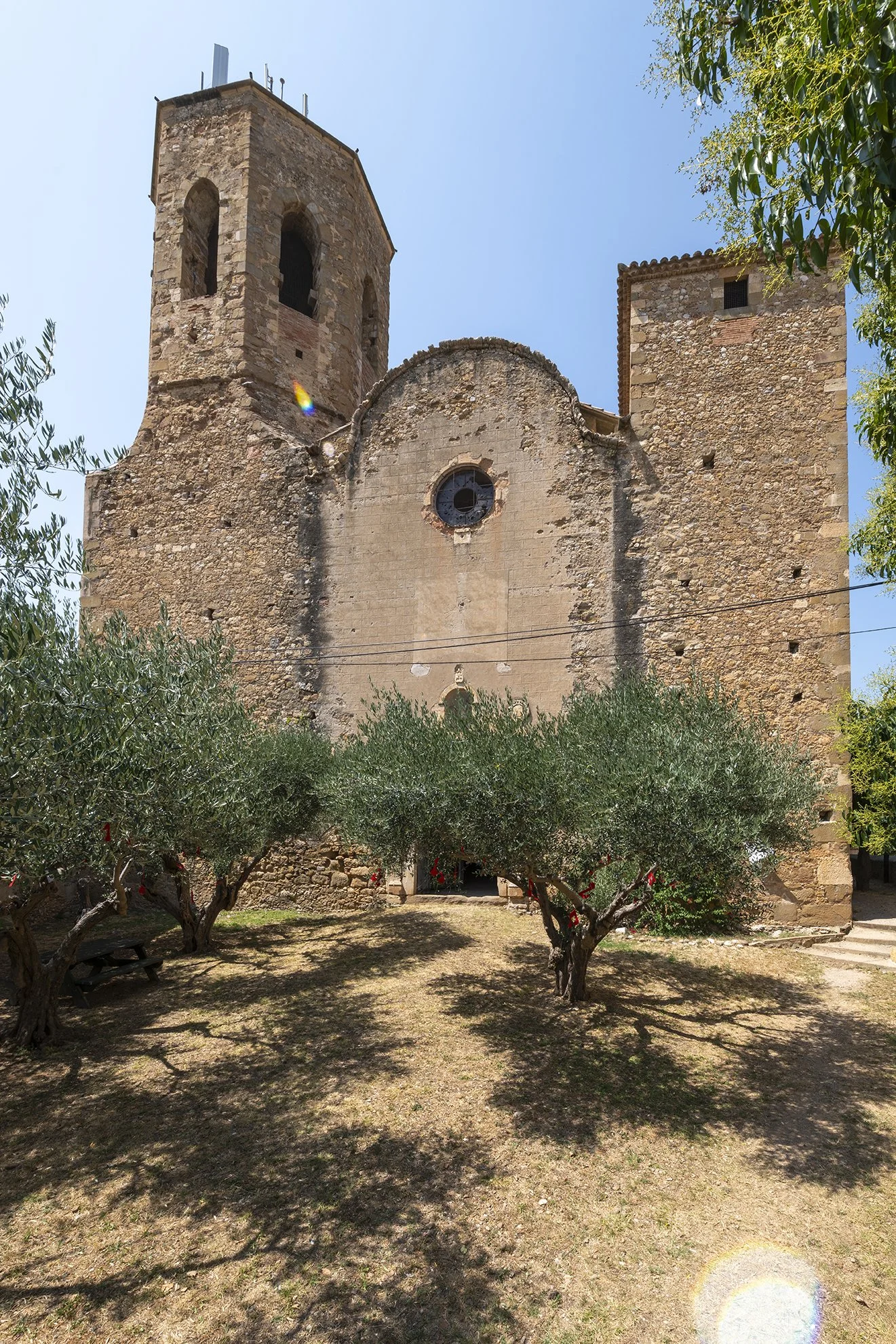
The church of Sant Feliu de Lladó. Image by Roberto Ruiz. Courtesy of Spiritvessel.
KIN TOO
Kin (family or kinship) is a term that defines the relationships that group a series of people, beings or things. Beyond the ties of blood, origin or ancestry, it also describes the close connection between entities that share the same nature, that are similar or that are aligned. The formation of this relationship can generate a group similar to that of a clan - a movement of belonging to a community, whether strictly self-defined as a mechanism of protection and identification, or a more elastic formation, with diluted or porous margins. In all cases, this relationship shapes one’s own identity in the recognition of common traits among the members of the group, and in front of the world.
Through a series of coincidences, the trajectory of each artist as a separate entity intersects with that of others at vital points, and with these encounters a network is woven, a conversation made of a language shared between its speakers. It is not a secret language but it is an understood language, which does not need explanations to reach the other in the precisely intended way. It is said that over time, couples end up resembling each other, like dogs and their owners. Although the paths of research and materiality of each artist are very different, an affinity arises from mirroring themselves in others with each gesture.
The first version of KIN, an exhibition at Spiritvessel, Espinavessa, in 2024, brought together Monia Ben Hamouda, Michele Gabriele and Andrew Birk. In this second iteration, Sahatsa Jauregi and Jordi Mitjà, who were already part of this intimate circle, join KIN TOO (meaning both also, and two). The exhibition brings together a new, singular and experimental gesture from each artist, which explores ways of generating a previously non-existent image through negative space, discarding, manipulating or imprinting things that were already in the landscape or in the collective imagination.
Monia Ben Hamouda begins a new series with Ghost (Espinavessa) and Ghost (Lladó) which further her research into rituals and forms of mortuary spaces, and objects and ideas linked to the return to the earth. Andrew Birk moves one architecture within another with Floating House, a direct impression of the object on the canvas, generating a pictorial image of the original in a phantasmagorical trace. July 2nd, by Michele Gabriele, continues his eponymous series with a new figure, using fiction to create a hypothetical scenario that transforms the entire environment in which it is placed, into its habitat. Pájaros by Sahatsa Jauregi composes a sequence of the process of fragmentation and disfigurement that starts from the idea of the scarecrow as a figure imagined by humans of themselves to be seen through the eyes of animals. Jordi Mitjà plays with the element of scale in his series Negatiu Reconsiderat, Clau Partida i Clau Doblegada, to once again convert discarded industrial materials combined with everyday objects and found discoveries into a sculptural body.
- Sira Pizà
Monia Ben Hamouda (Milan, Italy, 1991) lives and works between Milan and Tunisia, and develops a practice that combines painting, sculpture and installation based on a material language linked to her cultural heritage. Her work addresses the transmission of memory and the relationship between individual identity and collective genealogy. Through the use of spices, pigments and organic materials, Ben Hamouda transforms certain elements full of meaning in cultural traditions through processes of destruction, generating relationships between delicacy and tension, corrosion and fertility, destruction and growth, belonging and return.
She has recently been a resident of the American Academy of Rome (2025), she has received the MAXXI BVLGARI Prize (2024), the Fondazione Merz Prize and the Vordemberge-Gildewart Foundation Grant. Her work is part of collections such as MAXXI (Rome), Fondazione Sandretto Re Rebaudengo, Museion, FRAC Bretagne, FRAC Corse and TBA21 Thyssen-Bornemisza Art Contemporary. She has exhibited in institutions such as MAXXI, MACRO, La Casa Encendida, Kunsthalle Wien, MUDEC, Swiss Institute and the 14th Taipei Biennale, and in 2026 she has participated in the 61st Venice Biennale with the project Fragments of Fire Worship, presented at the Marciana National Library as Collateral supported by the Fondazione Bvlgari. She is represented by Selma Feriani, Tunisia, and ChertLüdde, Berlin.
Andrew Birk (Corvallis, Oregon, USA, 1985) lives and works in Espinavessa, Girona. His pictorial practice investigates the relationship between the body and the surface of the painting, understanding the action of painting as a physical process in which self-imposed limitations become a driving force for creation. Each series establishes its own material and methodological conditions, transforming gesture, resistance and time into language. His works preserve the imprint of action, revealing painting as a record of a performative experience and as an affirmation of human presence.
Recent solo presentations include Portals at Galeria Alegria, Barcelona (2026); Lugar entre Lugares at Karen Huber Gallery, Mexico City (2025); and Jumping Off A Mountain Sideways at Season 4 Episode 6, London (2024). He has participated in group shows at HEART Herning Museum of Contemporary Art, Denmark; The Modern Art Museum of Forth Worth, Texas; Museo de Arte Carrillo Gil, Mexico City; Australian Center For Contemporary Art, Melbourne; Vestjyllands Kunstpavillon, Denmark; Museo Del Chopo, Mexico City, and the Museum of Contemporary Art (MACO), Oaxaca. He is a co-founder of Spiritvessel, Espinavessa.
Michele Gabriele (Fondi, Italy, 1983) lives and works in Milan. His research explores the intermediate space between representation and materiality, mental image, object, and spectator, questioning the mechanisms by which imagination constructs reality. His work uses an extremely specific material language to reach possibilities that escape archetypal definitions. His sculptures and paintings start from recognizable elements to become something else, activating new relationships of empathy with space and with the viewer. Through action, exaggeration and formal precision, Gabriele constructs open scenarios where empathy and imaginative projection become tools to complete what remains absent.
His work has been presented in solo exhibitions at institutions and spaces such as EACC – Espai d’Art Contemporani de Castelló, MeetFactory (Prague), NAM – Not A Museum (Florence), Kunsthalle Ost (Leipzig), Fondazione Pini (Milan), ASHES/ASHES (New York) and Kali Gallery (Lucerne). He has also participated in collective exhibitions at the ICA – Institute of Contemporary Art of Portland (Maine), FRAC Corsica, the Museum of Art and History of Geneva, International Objects (New York), the Biennale of Contemporary Art Alios and Et al. Gallery (San Francisco), among others. His career includes international residencies such as Lower Cavity (Massachusetts), as well as teaching stays and lectures at various European institutions. He is represented by Kali Gallery (Lucerne).
Sahatsa Jauregi (Itaparica, Brazil, 1984) lives and works in Bilbao. Her practice is based on sculpture as a space of relationship between bodies, objects and places, creating hybrid forms that transit between the anthropomorphic and the architectural with a new, divergent functionality. Based on elements from everyday imagination, popular culture, industrialism and the metallurgical tradition, Jauregi constructs ambiguous presences that function as open organisms or relational devices.
She has presented solo exhibitions in spaces such as Artium Museoa, Azkuna Zentroa, Espacio Artiatx, Carreras Múgica, Halfhouse, and Sacred Merchandise, and has participated in collective projects at Tabakalera, Sala Rekalde, and Patio Herreriano. Awarded the ARCO Community of Madrid 2023 Award, and the Botín Grant in 2025, her work is part of collections such as the Museo Reina Sofía, the Shared Collection (Artium, Tabakalera, and Museo de Bellas Artes de Bilbao), Kutxa Fundazioa, and the Diputación Foral de Gipuzkoa. She is represented by The Ryder Projects, Madrid, and ATM, Gijón, and is a professor at the Faculty of Fine Arts of the University of the Basque Country (UPV/EHU).
Jordi Mitjà (Figueres, 1970) lives and works in Lladó, Girona. His practice unfolds between sculpture, installation and publishing, developing research around objects, materials and the narratives they contain. From an approach close to archiving and everyday archaeology, he works with found elements found or objects displaced from their original context to activate new relationships between memory, meaning and experience. His work pays attention to what remains on the margins: discarded parts, fragments, or anonymous materials that retain a historical and affective charge. Through processes of accumulation, transformation and rereading, he questions the hierarchies between the useful and the useless, the monumental and the precarious, constructing stories where the popular and the peripheral acquire new symbolic possibilities.
He has presented solo exhibitions such as Succeeix cada dia (Fabra i Coats, Barcelona, 2020), Return of the Junker. JM2000 (Bombon Projects, Barcelona, 2019), L’escultura no és important (Fundació Suñol, Barcelona, 2017) or Magma (Bòlit Centre d’Art Contemporani, Girona, 2016). He has participated in group exhibitions at MACBA, CA2M, La Panera, Artium Museoa, MARCO Vigo and Fondazione Zimei, among others. His work is part of collections such as MACBA, Banc Sabadell, Museu de l’Empordà, Col·lecció Olor Visual, Fondazione Zimei and the Col·lecció Nacional de Catalunya. He is represented by Bombon Projects, Barcelona.
All images by Roberto Ruiz. Courtesy of the artists and Spiritvessel.